BREAKING
Advertisement

Recent Category Articles

Latest Category News

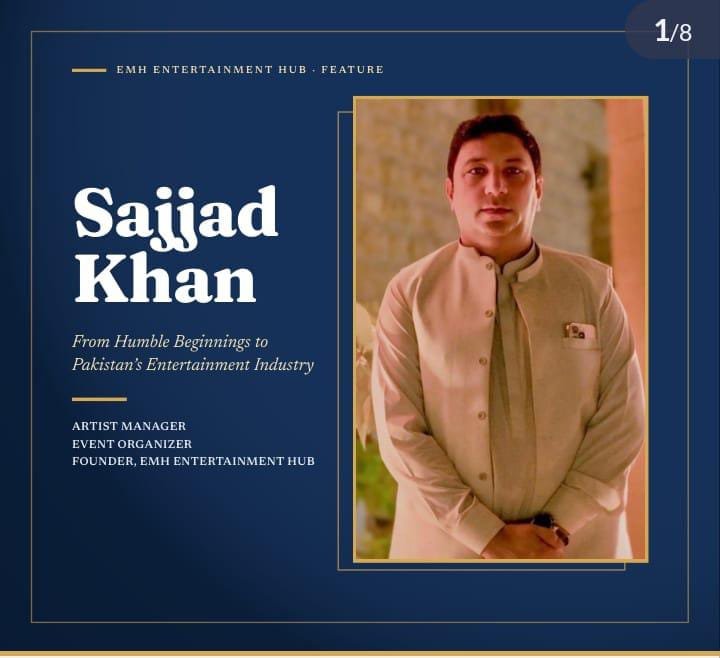
Sajjad Khan: A Journey of Persistence, Passion and Purpose
14
Recent
Business PK Live News 😊 Positive
Sajjad Khan: A Journey of Persistence, Passion and Purpose
Behind every successful concert, memorable live performance, and major entertainment event is a team of professionals working tirelessly behind the scenes. From coordinating artists to managing event logistics, these professionals play an essential role in bringing entertainment experiences to life. Among those pursuing a career in this demanding field is Sajjad Khan, a Karachi-based artist manager and event organizer whose professional journey began in 2010. Over the years, his activities have expanded across music, artist bookings, live events, business development, and initiatives intended to support emerging talent. From his early struggles to establishing independent entertainment ventures, Sajjad Khan’s journey reflects persistence, practical industry experience, and a continuing interest in Pakistan’s entertainment sector. In 2026, he introduced EMH Entertainment Hub, marking another chapter in his professional development and his stated ambition to create opportunities for young Pakistani talent. The Beginning: A Dream That Refused to Fade Sajjad Khan began pursuing his ambitions in 2010, with interests in modelling, acting, and singing. Like many aspiring performers, he entered an industry where opportunities were limited and establishing professional connections required patience and determination. During his early days, he spent hours waiting outside studios in the hope of finding work and demonstrating his abilities. Some opportunities involved small assignments or assisting with event-related activities. At times, his responsibilities included transporting people to venues on his motorcycle. There were occasions when long periods of waiting produced little more than promises of future opportunities. Nevertheless, these experiences became part of his introduction to the practical realities of the entertainment business. Through these early assignments, he gained exposure to networking, coordination, professional relationships, and the effort required to organize entertainment activities. Rather than abandoning his ambitions, Sajjad continued pursuing opportunities. Over time, his interests increasingly extended beyond performing to include the organizational and managerial aspects of the industry. His early experiences helped shape a professional direction that would later encompass artist management, event organization, and independent entertainment ventures. A Personal Connection with Music Although event management became an important part of his professional identity, music remained a meaningful element of Sajjad Khan’s journey. In 2012, he released a song titled “Meri Maa, Meri Maa.” The project represented his personal artistic ambitions and his connection with music, while its subject reflected the emotional importance of the mother-child relationship. Another notable musical chapter followed the tragic Army Public School attack in Peshawar. Sajjad performed “Maa, Tujh Ko Main Yaad Aaunga,” a song associated with maternal love, remembrance, and loss. According to the career information provided, the song gained popularity among listeners. These musical projects demonstrate that his relationship with entertainment was not limited to arranging performances for other artists. His own involvement in music formed part of the foundation of his broader professional journey. Expanding into Artist Management and Live Events As his experience developed, Sajjad Khan increasingly concentrated on artist management and event organization. According to his account, one of his early professional milestones involved arranging a performance by Pakistani singer Sahir Ali Bagga. The experience contributed to his growing involvement in coordinating performers and developing entertainment-related projects. He subsequently worked on initiatives involving international DJs, including performers from Ukraine and Turkey. Working with international talent can involve a wide range of responsibilities, including scheduling, travel arrangements, event logistics, technical coordination, and communication between performers and organizers. These activities provided opportunities to develop experience in the operational side of live entertainment. Another event associated with his career took place in 2012 at Port Grand in Karachi, where the FIFA World Cup trophy was reportedly featured. The event formed part of his reported experience with large public gatherings and entertainment-related activities. Each project offered further exposure to the work required to transform an event concept into an organized live experience. Working with Pakistan’s Renowned Artists Artist management has remained a central element of Sajjad Khan’s professional profile. The artists mentioned in connection with his career include prominent Pakistani performers such as Rahat Fateh Ali Khan, Atif Aslam, Ali Zafar, Sahir Ali Bagga, and Shamoon Chohan. His event-related activities have also extended beyond Karachi to other cities, including Sukkur and Hyderabad. According to the information provided about his career, 2021 represented another significant period, with his involvement in major events featuring well-known Pakistani singers. Working in artist management requires more than arranging a booking. The process can involve communication with performers and their representatives, scheduling appearances, coordinating with venues, managing event requirements, and ensuring that different teams work together effectively. For event organizers, these responsibilities become especially important when working with prominent artists whose schedules and technical requirements demand careful planning. Sajjad Khan’s reported activities across different events and locations reflect his involvement in these interconnected areas of Pakistan’s entertainment business. The Work Behind the Spotlight Audiences generally experience the final performance, but successful entertainment events depend on extensive preparation behind the scenes. Artists, production teams, venue managers, technical crews, sponsors, and organizers must coordinate their efforts to deliver a successful event. Artist management and event production can involve booking arrangements, performer availability, stage requirements, sound and lighting coordination, scheduling, logistics, and communication among multiple stakeholders. Even small operational challenges can affect an event when schedules are tight or requirements change unexpectedly. Sajjad Khan’s professional activities combine artist-related arrangements with event organization. His reported experience across different cities and entertainment projects illustrates the range of responsibilities associated with this sector. The work performed behind the scenes may receive less public attention than the artists themselves, but it remains an essential part of delivering live entertainment to audiences. Roti Home: Extending Support Beyond Entertainment Beyond his professional activities, Sajjad Khan’s journey also includes a humanitarian initiative known as Roti Home. Established during the COVID-19 period, Roti Home was described as a charitable trust focused on supporting people experiencing food insecurity. Its stated purpose was to provide free food to individuals who needed assistance during a particularly difficult period for many families. The pandemic created economic and social challenges for communities around the world, increasing the importance of food assistance and community-based support initiatives. Roti Home represents a different dimension of Sajjad Khan’s activities, extending beyond commercial entertainment into community assistance. The initiative’s reported purpose was to help people facing difficulties in accessing food. Its broader significance lies in the idea that professional and entrepreneurial activities can exist alongside efforts to address community needs. Further independently verified information about the initiative’s beneficiaries, duration, operational scale, and current activities would be needed to establish its overall social impact. Nevertheless, Roti Home remains an important part of the personal and professional story presented in the information about Sajjad Khan. Studio 9: Building an Independent Identity As his experience in entertainment developed, Sajjad Khan established his own company, Studio 9. The venture represented a step towards building an independent professional identity within the entertainment sector. For an artist manager and event organizer, operating through an independent company can provide a structured platform for managing projects, developing partnerships, coordinating events, and maintaining professional relationships with artists, clients, and production teams. Studio 9 became part of Sajjad Khan’s broader journey from pursuing individual opportunities to developing his own business initiatives. This transition reflected a move towards a more structured approach to entertainment-related work and provided another chapter in his continuing professional development. EMH Entertainment Hub: A New Chapter in 2026 In 2026, Sajjad Khan launched EMH Entertainment Hub, introducing a new platform in his evolving career. According to the vision described for the initiative, one of its principal objectives is to provide Pakistani children with opportunities to showcase their abilities and explore their potential. Young people interested in music, performance, and other creative activities often need suitable platforms through which they can demonstrate their skills and gain exposure. Access to such opportunities can help aspiring performers develop confidence, connect with relevant audiences, and explore possible pathways into the creative industries. Through EMH Entertainment Hub, Sajjad Khan aims to build on his experience in artist management and event organization while creating opportunities for the next generation. The initiative represents a continuation of his longstanding involvement in entertainment, combined with an ambition to support emerging talent. Its future development will depend on the opportunities it creates, the activities it delivers, and the extent to which aspiring performers can benefit from its platform. Supporting the Next Generation of Talent Developing emerging talent is an important consideration for the future of Pakistan’s entertainment industry. Young performers may possess creative ability but lack access to professional platforms, experienced mentors, suitable venues, or the connections needed to reach wider audiences. Entertainment initiatives that bring aspiring performers into contact with industry professionals can help create pathways for participation and development. EMH Entertainment Hub’s stated focus on Pakistani children and emerging talent places this ambition at the centre of its vision. Building a sustainable platform for young performers requires consistent opportunities, responsible management, appropriate support, and transparent ways of showcasing talent. As the initiative develops, its activities may offer further insight into how it intends to contribute to the entertainment ecosystem and help aspiring performers pursue their ambitions. Looking Ahead: Experience, Enterprise and Opportunity Sajjad Khan’s journey began in 2010 with ambitions in modelling, acting, and singing. Over time, his reported professional activities expanded to include artist management, event organization, music projects, business development, and initiatives focused on community support and emerging talent. His journey includes the release of “Meri Maa, Meri Maa” in 2012, the performance of “Maa, Tujh Ko Main Yaad Aaunga,” involvement in entertainment events, the establishment of Studio 9, the Roti Home initiative, and the launch of EMH Entertainment Hub in 2026. These different activities represent several dimensions of his professional interests, from personal artistic expression to the coordination of live performances and the development of independent platforms. The entertainment industry is competitive, and sustained progress often requires patience, practical experience, professional relationships, and the ability to adapt to changing circumstances. Sajjad Khan’s story highlights the role these factors can play in shaping a career within Pakistan’s live entertainment sector. As his professional activities continue to evolve, future projects may provide opportunities to expand his event portfolio, strengthen industry partnerships, develop his entertainment ventures, and advance his stated goal of supporting emerging talent. From waiting outside studios in search of opportunities to establishing entertainment initiatives of his own, his journey reflects a continuing commitment to the field in which he began pursuing his ambitions more than a decade ago. For Sajjad Khan, the journey is not simply about bringing artists to the stage. It is also about building professional connections, pursuing new opportunities, and developing platforms that may help others explore their creative potential. About EMH Entertainment Hub EMH Entertainment Hub was launched by Sajjad Khan in 2026. According to its stated vision, the platform aims to create opportunities for Pakistani children to showcase their abilities and explore their potential in entertainment. About PK-News.com: PK-News.com is a digital news and information platform covering Pakistan and international developments, entertainment, technology, business, and other topics of public interest. Developed, Researched & Published by PK-News.com PK-News Digital News & Research Desk
23 hours ago
Behind every successful concert, memorable live performance, and major entertainment event is a team of professionals working tirelessly behind the scenes. From coordinating artists to managing event logistics, these professionals play an essential role in bringing entertainment experiences to life. Among those pursuing a career in this demanding field is Sajjad Khan, a Karachi-based artist manager and event organizer whose professional journey began in 2010. Over the years, his activities have expanded across music, artist bookings, live events, business development, and initiatives intended to support emerging talent. From his early struggles to establishing independent entertainment ventures, Sajjad Khan’s journey reflects persistence, practical industry experience, and a continuing interest in Pakistan’s entertainment sector. In 2026, he introduced EMH Entertainment Hub, marking another chapter in his professional development and his stated ambition to create opportunities for young Pakistani talent. The Beginning: A Dream That Refused to Fade Sajjad Khan began pursuing his ambitions in 2010, with interests in modelling, acting, and singing. Like many aspiring performers, he entered an industry where opportunities were limited and establishing professional connections required patience and determination. During his early days, he spent hours waiting outside studios in the hope of finding work and demonstrating his abilities. Some opportunities involved small assignments or assisting with event-related activities. At times, his responsibilities included transporting people to venues on his motorcycle. There were occasions when long periods of waiting produced little more than promises of future opportunities. Nevertheless, these experiences became part of his introduction to the practical realities of the entertainment business. Through these early assignments, he gained exposure to networking, coordination, professional relationships, and the effort required to organize entertainment activities. Rather than abandoning his ambitions, Sajjad continued pursuing opportunities. Over time, his interests increasingly extended beyond performing to include the organizational and managerial aspects of the industry. His early experiences helped shape a professional direction that would later encompass artist management, event organization, and independent entertainment ventures. A Personal Connection with Music Although event management became an important part of his professional identity, music remained a meaningful element of Sajjad Khan’s journey. In 2012, he released a song titled “Meri Maa, Meri Maa.” The project represented his personal artistic ambitions and his connection with music, while its subject reflected the emotional importance of the mother-child relationship. Another notable musical chapter followed the tragic Army Public School attack in Peshawar. Sajjad performed “Maa, Tujh Ko Main Yaad Aaunga,” a song associated with maternal love, remembrance, and loss. According to the career information provided, the song gained popularity among listeners. These musical projects demonstrate that his relationship with entertainment was not limited to arranging performances for other artists. His own involvement in music formed part of the foundation of his broader professional journey. Expanding into Artist Management and Live Events As his experience developed, Sajjad Khan increasingly concentrated on artist management and event organization. According to his account, one of his early professional milestones involved arranging a performance by Pakistani singer Sahir Ali Bagga. The experience contributed to his growing involvement in coordinating performers and developing entertainment-related projects. He subsequently worked on initiatives involving international DJs, including performers from Ukraine and Turkey. Working with international talent can involve a wide range of responsibilities, including scheduling, travel arrangements, event logistics, technical coordination, and communication between performers and organizers. These activities provided opportunities to develop experience in the operational side of live entertainment. Another event associated with his career took place in 2012 at Port Grand in Karachi, where the FIFA World Cup trophy was reportedly featured. The event formed part of his reported experience with large public gatherings and entertainment-related activities. Each project offered further exposure to the work required to transform an event concept into an organized live experience. Working with Pakistan’s Renowned Artists Artist management has remained a central element of Sajjad Khan’s professional profile. The artists mentioned in connection with his career include prominent Pakistani performers such as Rahat Fateh Ali Khan, Atif Aslam, Ali Zafar, Sahir Ali Bagga, and Shamoon Chohan. His event-related activities have also extended beyond Karachi to other cities, including Sukkur and Hyderabad. According to the information provided about his career, 2021 represented another significant period, with his involvement in major events featuring well-known Pakistani singers. Working in artist management requires more than arranging a booking. The process can involve communication with performers and their representatives, scheduling appearances, coordinating with venues, managing event requirements, and ensuring that different teams work together effectively. For event organizers, these responsibilities become especially important when working with prominent artists whose schedules and technical requirements demand careful planning. Sajjad Khan’s reported activities across different events and locations reflect his involvement in these interconnected areas of Pakistan’s entertainment business. The Work Behind the Spotlight Audiences generally experience the final performance, but successful entertainment events depend on extensive preparation behind the scenes. Artists, production teams, venue managers, technical crews, sponsors, and organizers must coordinate their efforts to deliver a successful event. Artist management and event production can involve booking arrangements, performer availability, stage requirements, sound and lighting coordination, scheduling, logistics, and communication among multiple stakeholders. Even small operational challenges can affect an event when schedules are tight or requirements change unexpectedly. Sajjad Khan’s professional activities combine artist-related arrangements with event organization. His reported experience across different cities and entertainment projects illustrates the range of responsibilities associated with this sector. The work performed behind the scenes may receive less public attention than the artists themselves, but it remains an essential part of delivering live entertainment to audiences. Roti Home: Extending Support Beyond Entertainment Beyond his professional activities, Sajjad Khan’s journey also includes a humanitarian initiative known as Roti Home. Established during the COVID-19 period, Roti Home was described as a charitable trust focused on supporting people experiencing food insecurity. Its stated purpose was to provide free food to individuals who needed assistance during a particularly difficult period for many families. The pandemic created economic and social challenges for communities around the world, increasing the importance of food assistance and community-based support initiatives. Roti Home represents a different dimension of Sajjad Khan’s activities, extending beyond commercial entertainment into community assistance. The initiative’s reported purpose was to help people facing difficulties in accessing food. Its broader significance lies in the idea that professional and entrepreneurial activities can exist alongside efforts to address community needs. Further independently verified information about the initiative’s beneficiaries, duration, operational scale, and current activities would be needed to establish its overall social impact. Nevertheless, Roti Home remains an important part of the personal and professional story presented in the information about Sajjad Khan. Studio 9: Building an Independent Identity As his experience in entertainment developed, Sajjad Khan established his own company, Studio 9. The venture represented a step towards building an independent professional identity within the entertainment sector. For an artist manager and event organizer, operating through an independent company can provide a structured platform for managing projects, developing partnerships, coordinating events, and maintaining professional relationships with artists, clients, and production teams. Studio 9 became part of Sajjad Khan’s broader journey from pursuing individual opportunities to developing his own business initiatives. This transition reflected a move towards a more structured approach to entertainment-related work and provided another chapter in his continuing professional development. EMH Entertainment Hub: A New Chapter in 2026 In 2026, Sajjad Khan launched EMH Entertainment Hub, introducing a new platform in his evolving career. According to the vision described for the initiative, one of its principal objectives is to provide Pakistani children with opportunities to showcase their abilities and explore their potential. Young people interested in music, performance, and other creative activities often need suitable platforms through which they can demonstrate their skills and gain exposure. Access to such opportunities can help aspiring performers develop confidence, connect with relevant audiences, and explore possible pathways into the creative industries. Through EMH Entertainment Hub, Sajjad Khan aims to build on his experience in artist management and event organization while creating opportunities for the next generation. The initiative represents a continuation of his longstanding involvement in entertainment, combined with an ambition to support emerging talent. Its future development will depend on the opportunities it creates, the activities it delivers, and the extent to which aspiring performers can benefit from its platform. Supporting the Next Generation of Talent Developing emerging talent is an important consideration for the future of Pakistan’s entertainment industry. Young performers may possess creative ability but lack access to professional platforms, experienced mentors, suitable venues, or the connections needed to reach wider audiences. Entertainment initiatives that bring aspiring performers into contact with industry professionals can help create pathways for participation and development. EMH Entertainment Hub’s stated focus on Pakistani children and emerging talent places this ambition at the centre of its vision. Building a sustainable platform for young performers requires consistent opportunities, responsible management, appropriate support, and transparent ways of showcasing talent. As the initiative develops, its activities may offer further insight into how it intends to contribute to the entertainment ecosystem and help aspiring performers pursue their ambitions. Looking Ahead: Experience, Enterprise and Opportunity Sajjad Khan’s journey began in 2010 with ambitions in modelling, acting, and singing. Over time, his reported professional activities expanded to include artist management, event organization, music projects, business development, and initiatives focused on community support and emerging talent. His journey includes the release of “Meri Maa, Meri Maa” in 2012, the performance of “Maa, Tujh Ko Main Yaad Aaunga,” involvement in entertainment events, the establishment of Studio 9, the Roti Home initiative, and the launch of EMH Entertainment Hub in 2026. These different activities represent several dimensions of his professional interests, from personal artistic expression to the coordination of live performances and the development of independent platforms. The entertainment industry is competitive, and sustained progress often requires patience, practical experience, professional relationships, and the ability to adapt to changing circumstances. Sajjad Khan’s story highlights the role these factors can play in shaping a career within Pakistan’s live entertainment sector. As his professional activities continue to evolve, future projects may provide opportunities to expand his event portfolio, strengthen industry partnerships, develop his entertainment ventures, and advance his stated goal of supporting emerging talent. From waiting outside studios in search of opportunities to establishing entertainment initiatives of his own, his journey reflects a continuing commitment to the field in which he began pursuing his ambitions more than a decade ago. For Sajjad Khan, the journey is not simply about bringing artists to the stage. It is also about building professional connections, pursuing new opportunities, and developing platforms that may help others explore their creative potential. About EMH Entertainment Hub EMH Entertainment Hub was launched by Sajjad Khan in 2026. According to its stated vision, the platform aims to create opportunities for Pakistani children to showcase their abilities and explore their potential in entertainment. About PK-News.com: PK-News.com is a digital news and information platform covering Pakistan and international developments, entertainment, technology, business, and other topics of public interest. Developed, Researched & Published by PK-News.com PK-News Digital News & Research Desk
Sajjad Khan: A Journey of Persistence, Passion and Purpose
53
Business PK Live News 😊 Positive
Sajjad Khan: A Journey of Persistence, Passion and Purpose
Behind every successful concert, memorable live performance, and major entertainment event is a team of professionals working tirelessly behind the scenes. From coordinating artists to managing event logistics, these professionals play an essential role in bringing entertainment experiences to life. Among those pursuing a career in this demanding field is Sajjad Khan, a Karachi-based artist manager and event organizer whose professional journey began in 2010. Over the years, his activities have expanded across music, artist bookings, live events, business development, and initiatives intended to support emerging talent. From his early struggles to establishing independent entertainment ventures, Sajjad Khan’s journey reflects persistence, practical industry experience, and a continuing interest in Pakistan’s entertainment sector. In 2026, he introduced EMH Entertainment Hub, marking another chapter in his professional development and his stated ambition to create opportunities for young Pakistani talent. The Beginning: A Dream That Refused to Fade Sajjad Khan began pursuing his ambitions in 2010, with interests in modelling, acting, and singing. Like many aspiring performers, he entered an industry where opportunities were limited and establishing professional connections required patience and determination. During his early days, he spent hours waiting outside studios in the hope of finding work and demonstrating his abilities. Some opportunities involved small assignments or assisting with event-related activities. At times, his responsibilities included transporting people to venues on his motorcycle. There were occasions when long periods of waiting produced little more than promises of future opportunities. Nevertheless, these experiences became part of his introduction to the practical realities of the entertainment business. Through these early assignments, he gained exposure to networking, coordination, professional relationships, and the effort required to organize entertainment activities. Rather than abandoning his ambitions, Sajjad continued pursuing opportunities. Over time, his interests increasingly extended beyond performing to include the organizational and managerial aspects of the industry. His early experiences helped shape a professional direction that would later encompass artist management, event organization, and independent entertainment ventures. A Personal Connection with Music Although event management became an important part of his professional identity, music remained a meaningful element of Sajjad Khan’s journey. In 2012, he released a song titled “Meri Maa, Meri Maa.” The project represented his personal artistic ambitions and his connection with music, while its subject reflected the emotional importance of the mother-child relationship. Another notable musical chapter followed the tragic Army Public School attack in Peshawar. Sajjad performed “Maa, Tujh Ko Main Yaad Aaunga,” a song associated with maternal love, remembrance, and loss. According to the career information provided, the song gained popularity among listeners. These musical projects demonstrate that his relationship with entertainment was not limited to arranging performances for other artists. His own involvement in music formed part of the foundation of his broader professional journey. Expanding into Artist Management and Live Events As his experience developed, Sajjad Khan increasingly concentrated on artist management and event organization. According to his account, one of his early professional milestones involved arranging a performance by Pakistani singer Sahir Ali Bagga. The experience contributed to his growing involvement in coordinating performers and developing entertainment-related projects. He subsequently worked on initiatives involving international DJs, including performers from Ukraine and Turkey. Working with international talent can involve a wide range of responsibilities, including scheduling, travel arrangements, event logistics, technical coordination, and communication between performers and organizers. These activities provided opportunities to develop experience in the operational side of live entertainment. Another event associated with his career took place in 2012 at Port Grand in Karachi, where the FIFA World Cup trophy was reportedly featured. The event formed part of his reported experience with large public gatherings and entertainment-related activities. Each project offered further exposure to the work required to transform an event concept into an organized live experience. Working with Pakistan’s Renowned Artists Artist management has remained a central element of Sajjad Khan’s professional profile. The artists mentioned in connection with his career include prominent Pakistani performers such as Rahat Fateh Ali Khan, Atif Aslam, Ali Zafar, Sahir Ali Bagga, and Shamoon Chohan. His event-related activities have also extended beyond Karachi to other cities, including Sukkur and Hyderabad. According to the information provided about his career, 2021 represented another significant period, with his involvement in major events featuring well-known Pakistani singers. Working in artist management requires more than arranging a booking. The process can involve communication with performers and their representatives, scheduling appearances, coordinating with venues, managing event requirements, and ensuring that different teams work together effectively. For event organizers, these responsibilities become especially important when working with prominent artists whose schedules and technical requirements demand careful planning. Sajjad Khan’s reported activities across different events and locations reflect his involvement in these interconnected areas of Pakistan’s entertainment business. The Work Behind the Spotlight Audiences generally experience the final performance, but successful entertainment events depend on extensive preparation behind the scenes. Artists, production teams, venue managers, technical crews, sponsors, and organizers must coordinate their efforts to deliver a successful event. Artist management and event production can involve booking arrangements, performer availability, stage requirements, sound and lighting coordination, scheduling, logistics, and communication among multiple stakeholders. Even small operational challenges can affect an event when schedules are tight or requirements change unexpectedly. Sajjad Khan’s professional activities combine artist-related arrangements with event organization. His reported experience across different cities and entertainment projects illustrates the range of responsibilities associated with this sector. The work performed behind the scenes may receive less public attention than the artists themselves, but it remains an essential part of delivering live entertainment to audiences. Roti Home: Extending Support Beyond Entertainment Beyond his professional activities, Sajjad Khan’s journey also includes a humanitarian initiative known as Roti Home. Established during the COVID-19 period, Roti Home was described as a charitable trust focused on supporting people experiencing food insecurity. Its stated purpose was to provide free food to individuals who needed assistance during a particularly difficult period for many families. The pandemic created economic and social challenges for communities around the world, increasing the importance of food assistance and community-based support initiatives. Roti Home represents a different dimension of Sajjad Khan’s activities, extending beyond commercial entertainment into community assistance. The initiative’s reported purpose was to help people facing difficulties in accessing food. Its broader significance lies in the idea that professional and entrepreneurial activities can exist alongside efforts to address community needs. Further independently verified information about the initiative’s beneficiaries, duration, operational scale, and current activities would be needed to establish its overall social impact. Nevertheless, Roti Home remains an important part of the personal and professional story presented in the information about Sajjad Khan. Studio 9: Building an Independent Identity As his experience in entertainment developed, Sajjad Khan established his own company, Studio 9. The venture represented a step towards building an independent professional identity within the entertainment sector. For an artist manager and event organizer, operating through an independent company can provide a structured platform for managing projects, developing partnerships, coordinating events, and maintaining professional relationships with artists, clients, and production teams. Studio 9 became part of Sajjad Khan’s broader journey from pursuing individual opportunities to developing his own business initiatives. This transition reflected a move towards a more structured approach to entertainment-related work and provided another chapter in his continuing professional development. EMH Entertainment Hub: A New Chapter in 2026 In 2026, Sajjad Khan launched EMH Entertainment Hub, introducing a new platform in his evolving career. According to the vision described for the initiative, one of its principal objectives is to provide Pakistani children with opportunities to showcase their abilities and explore their potential. Young people interested in music, performance, and other creative activities often need suitable platforms through which they can demonstrate their skills and gain exposure. Access to such opportunities can help aspiring performers develop confidence, connect with relevant audiences, and explore possible pathways into the creative industries. Through EMH Entertainment Hub, Sajjad Khan aims to build on his experience in artist management and event organization while creating opportunities for the next generation. The initiative represents a continuation of his longstanding involvement in entertainment, combined with an ambition to support emerging talent. Its future development will depend on the opportunities it creates, the activities it delivers, and the extent to which aspiring performers can benefit from its platform. Supporting the Next Generation of Talent Developing emerging talent is an important consideration for the future of Pakistan’s entertainment industry. Young performers may possess creative ability but lack access to professional platforms, experienced mentors, suitable venues, or the connections needed to reach wider audiences. Entertainment initiatives that bring aspiring performers into contact with industry professionals can help create pathways for participation and development. EMH Entertainment Hub’s stated focus on Pakistani children and emerging talent places this ambition at the centre of its vision. Building a sustainable platform for young performers requires consistent opportunities, responsible management, appropriate support, and transparent ways of showcasing talent. As the initiative develops, its activities may offer further insight into how it intends to contribute to the entertainment ecosystem and help aspiring performers pursue their ambitions. Looking Ahead: Experience, Enterprise and Opportunity Sajjad Khan’s journey began in 2010 with ambitions in modelling, acting, and singing. Over time, his reported professional activities expanded to include artist management, event organization, music projects, business development, and initiatives focused on community support and emerging talent. His journey includes the release of “Meri Maa, Meri Maa” in 2012, the performance of “Maa, Tujh Ko Main Yaad Aaunga,” involvement in entertainment events, the establishment of Studio 9, the Roti Home initiative, and the launch of EMH Entertainment Hub in 2026. These different activities represent several dimensions of his professional interests, from personal artistic expression to the coordination of live performances and the development of independent platforms. The entertainment industry is competitive, and sustained progress often requires patience, practical experience, professional relationships, and the ability to adapt to changing circumstances. Sajjad Khan’s story highlights the role these factors can play in shaping a career within Pakistan’s live entertainment sector. As his professional activities continue to evolve, future projects may provide opportunities to expand his event portfolio, strengthen industry partnerships, develop his entertainment ventures, and advance his stated goal of supporting emerging talent. From waiting outside studios in search of opportunities to establishing entertainment initiatives of his own, his journey reflects a continuing commitment to the field in which he began pursuing his ambitions more than a decade ago. For Sajjad Khan, the journey is not simply about bringing artists to the stage. It is also about building professional connections, pursuing new opportunities, and developing platforms that may help others explore their creative potential. About EMH Entertainment Hub EMH Entertainment Hub was launched by Sajjad Khan in 2026. According to its stated vision, the platform aims to create opportunities for Pakistani children to showcase their abilities and explore their potential in entertainment. About PK-News.com: PK-News.com is a digital news and information platform covering Pakistan and international developments, entertainment, technology, business, and other topics of public interest. Developed, Researched & Published by PK-News.com PK-News Digital News & Research Desk
Yesterday at 2:15 PM
Behind every successful concert, memorable live performance, and major entertainment event is a team of professionals working tirelessly behind the scenes. From coordinating artists to managing event logistics, these professionals play an essential role in bringing entertainment experiences to life. Among those pursuing a career in this demanding field is Sajjad Khan, a Karachi-based artist manager and event organizer whose professional journey began in 2010. Over the years, his activities have expanded across music, artist bookings, live events, business development, and initiatives intended to support emerging talent. From his early struggles to establishing independent entertainment ventures, Sajjad Khan’s journey reflects persistence, practical industry experience, and a continuing interest in Pakistan’s entertainment sector. In 2026, he introduced EMH Entertainment Hub, marking another chapter in his professional development and his stated ambition to create opportunities for young Pakistani talent. The Beginning: A Dream That Refused to Fade Sajjad Khan began pursuing his ambitions in 2010, with interests in modelling, acting, and singing. Like many aspiring performers, he entered an industry where opportunities were limited and establishing professional connections required patience and determination. During his early days, he spent hours waiting outside studios in the hope of finding work and demonstrating his abilities. Some opportunities involved small assignments or assisting with event-related activities. At times, his responsibilities included transporting people to venues on his motorcycle. There were occasions when long periods of waiting produced little more than promises of future opportunities. Nevertheless, these experiences became part of his introduction to the practical realities of the entertainment business. Through these early assignments, he gained exposure to networking, coordination, professional relationships, and the effort required to organize entertainment activities. Rather than abandoning his ambitions, Sajjad continued pursuing opportunities. Over time, his interests increasingly extended beyond performing to include the organizational and managerial aspects of the industry. His early experiences helped shape a professional direction that would later encompass artist management, event organization, and independent entertainment ventures. A Personal Connection with Music Although event management became an important part of his professional identity, music remained a meaningful element of Sajjad Khan’s journey. In 2012, he released a song titled “Meri Maa, Meri Maa.” The project represented his personal artistic ambitions and his connection with music, while its subject reflected the emotional importance of the mother-child relationship. Another notable musical chapter followed the tragic Army Public School attack in Peshawar. Sajjad performed “Maa, Tujh Ko Main Yaad Aaunga,” a song associated with maternal love, remembrance, and loss. According to the career information provided, the song gained popularity among listeners. These musical projects demonstrate that his relationship with entertainment was not limited to arranging performances for other artists. His own involvement in music formed part of the foundation of his broader professional journey. Expanding into Artist Management and Live Events As his experience developed, Sajjad Khan increasingly concentrated on artist management and event organization. According to his account, one of his early professional milestones involved arranging a performance by Pakistani singer Sahir Ali Bagga. The experience contributed to his growing involvement in coordinating performers and developing entertainment-related projects. He subsequently worked on initiatives involving international DJs, including performers from Ukraine and Turkey. Working with international talent can involve a wide range of responsibilities, including scheduling, travel arrangements, event logistics, technical coordination, and communication between performers and organizers. These activities provided opportunities to develop experience in the operational side of live entertainment. Another event associated with his career took place in 2012 at Port Grand in Karachi, where the FIFA World Cup trophy was reportedly featured. The event formed part of his reported experience with large public gatherings and entertainment-related activities. Each project offered further exposure to the work required to transform an event concept into an organized live experience. Working with Pakistan’s Renowned Artists Artist management has remained a central element of Sajjad Khan’s professional profile. The artists mentioned in connection with his career include prominent Pakistani performers such as Rahat Fateh Ali Khan, Atif Aslam, Ali Zafar, Sahir Ali Bagga, and Shamoon Chohan. His event-related activities have also extended beyond Karachi to other cities, including Sukkur and Hyderabad. According to the information provided about his career, 2021 represented another significant period, with his involvement in major events featuring well-known Pakistani singers. Working in artist management requires more than arranging a booking. The process can involve communication with performers and their representatives, scheduling appearances, coordinating with venues, managing event requirements, and ensuring that different teams work together effectively. For event organizers, these responsibilities become especially important when working with prominent artists whose schedules and technical requirements demand careful planning. Sajjad Khan’s reported activities across different events and locations reflect his involvement in these interconnected areas of Pakistan’s entertainment business. The Work Behind the Spotlight Audiences generally experience the final performance, but successful entertainment events depend on extensive preparation behind the scenes. Artists, production teams, venue managers, technical crews, sponsors, and organizers must coordinate their efforts to deliver a successful event. Artist management and event production can involve booking arrangements, performer availability, stage requirements, sound and lighting coordination, scheduling, logistics, and communication among multiple stakeholders. Even small operational challenges can affect an event when schedules are tight or requirements change unexpectedly. Sajjad Khan’s professional activities combine artist-related arrangements with event organization. His reported experience across different cities and entertainment projects illustrates the range of responsibilities associated with this sector. The work performed behind the scenes may receive less public attention than the artists themselves, but it remains an essential part of delivering live entertainment to audiences. Roti Home: Extending Support Beyond Entertainment Beyond his professional activities, Sajjad Khan’s journey also includes a humanitarian initiative known as Roti Home. Established during the COVID-19 period, Roti Home was described as a charitable trust focused on supporting people experiencing food insecurity. Its stated purpose was to provide free food to individuals who needed assistance during a particularly difficult period for many families. The pandemic created economic and social challenges for communities around the world, increasing the importance of food assistance and community-based support initiatives. Roti Home represents a different dimension of Sajjad Khan’s activities, extending beyond commercial entertainment into community assistance. The initiative’s reported purpose was to help people facing difficulties in accessing food. Its broader significance lies in the idea that professional and entrepreneurial activities can exist alongside efforts to address community needs. Further independently verified information about the initiative’s beneficiaries, duration, operational scale, and current activities would be needed to establish its overall social impact. Nevertheless, Roti Home remains an important part of the personal and professional story presented in the information about Sajjad Khan. Studio 9: Building an Independent Identity As his experience in entertainment developed, Sajjad Khan established his own company, Studio 9. The venture represented a step towards building an independent professional identity within the entertainment sector. For an artist manager and event organizer, operating through an independent company can provide a structured platform for managing projects, developing partnerships, coordinating events, and maintaining professional relationships with artists, clients, and production teams. Studio 9 became part of Sajjad Khan’s broader journey from pursuing individual opportunities to developing his own business initiatives. This transition reflected a move towards a more structured approach to entertainment-related work and provided another chapter in his continuing professional development. EMH Entertainment Hub: A New Chapter in 2026 In 2026, Sajjad Khan launched EMH Entertainment Hub, introducing a new platform in his evolving career. According to the vision described for the initiative, one of its principal objectives is to provide Pakistani children with opportunities to showcase their abilities and explore their potential. Young people interested in music, performance, and other creative activities often need suitable platforms through which they can demonstrate their skills and gain exposure. Access to such opportunities can help aspiring performers develop confidence, connect with relevant audiences, and explore possible pathways into the creative industries. Through EMH Entertainment Hub, Sajjad Khan aims to build on his experience in artist management and event organization while creating opportunities for the next generation. The initiative represents a continuation of his longstanding involvement in entertainment, combined with an ambition to support emerging talent. Its future development will depend on the opportunities it creates, the activities it delivers, and the extent to which aspiring performers can benefit from its platform. Supporting the Next Generation of Talent Developing emerging talent is an important consideration for the future of Pakistan’s entertainment industry. Young performers may possess creative ability but lack access to professional platforms, experienced mentors, suitable venues, or the connections needed to reach wider audiences. Entertainment initiatives that bring aspiring performers into contact with industry professionals can help create pathways for participation and development. EMH Entertainment Hub’s stated focus on Pakistani children and emerging talent places this ambition at the centre of its vision. Building a sustainable platform for young performers requires consistent opportunities, responsible management, appropriate support, and transparent ways of showcasing talent. As the initiative develops, its activities may offer further insight into how it intends to contribute to the entertainment ecosystem and help aspiring performers pursue their ambitions. Looking Ahead: Experience, Enterprise and Opportunity Sajjad Khan’s journey began in 2010 with ambitions in modelling, acting, and singing. Over time, his reported professional activities expanded to include artist management, event organization, music projects, business development, and initiatives focused on community support and emerging talent. His journey includes the release of “Meri Maa, Meri Maa” in 2012, the performance of “Maa, Tujh Ko Main Yaad Aaunga,” involvement in entertainment events, the establishment of Studio 9, the Roti Home initiative, and the launch of EMH Entertainment Hub in 2026. These different activities represent several dimensions of his professional interests, from personal artistic expression to the coordination of live performances and the development of independent platforms. The entertainment industry is competitive, and sustained progress often requires patience, practical experience, professional relationships, and the ability to adapt to changing circumstances. Sajjad Khan’s story highlights the role these factors can play in shaping a career within Pakistan’s live entertainment sector. As his professional activities continue to evolve, future projects may provide opportunities to expand his event portfolio, strengthen industry partnerships, develop his entertainment ventures, and advance his stated goal of supporting emerging talent. From waiting outside studios in search of opportunities to establishing entertainment initiatives of his own, his journey reflects a continuing commitment to the field in which he began pursuing his ambitions more than a decade ago. For Sajjad Khan, the journey is not simply about bringing artists to the stage. It is also about building professional connections, pursuing new opportunities, and developing platforms that may help others explore their creative potential. About EMH Entertainment Hub EMH Entertainment Hub was launched by Sajjad Khan in 2026. According to its stated vision, the platform aims to create opportunities for Pakistani children to showcase their abilities and explore their potential in entertainment. About PK-News.com: PK-News.com is a digital news and information platform covering Pakistan and international developments, entertainment, technology, business, and other topics of public interest. Developed, Researched & Published by PK-News.com PK-News Digital News & Research Desk
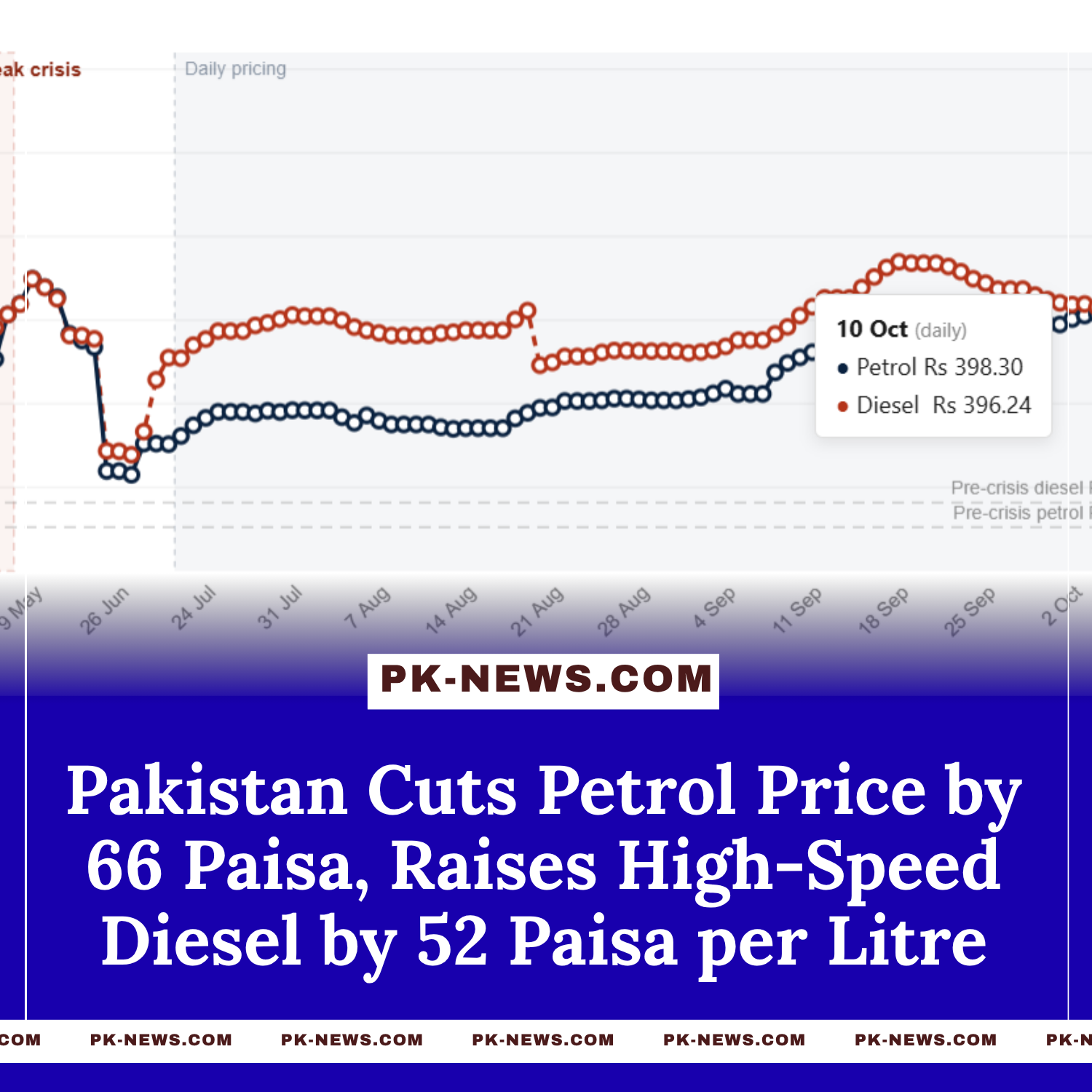
Pakistan Cuts Petrol Price by 66 Paisa, Raises High-Speed Diesel by 52 Paisa per Litre
6
Business PK Live News 😐 Neutral
Pakistan Cuts Petrol Price by 66 Paisa, Raises High-Speed Diesel by 52 Paisa per Litre
New Fuel Rates Reflect a Mixed Adjustment as Motorists and Transport Operators Assess the Impact on Household and Business Costs Developed, Researched & Published by PK-News.com PK-News Digital News & Research Desk ISLAMABAD, PAKISTAN — October 10, 2026: The federal government has reduced the price of petrol by 66 paisa per litre while increasing the price of high-speed diesel (HSD) by 52 paisa per litre, introducing another mixed adjustment in Pakistan’s petroleum market. The decision offers a small reduction for petrol consumers but increases costs for diesel users, including transport operators and businesses that depend on diesel-powered vehicles and machinery. Based on the previous reported prices, petrol is expected to decline from Rs396.65 to Rs395.99 per litre, while high-speed diesel is expected to rise from Rs394.94 to Rs395.46 per litre. These figures reflect the announced adjustments; consumers should consult the official Petroleum Division notification for confirmation of the applicable rates and effective date. New Petrol and Diesel Prices The latest revision changes the two main petroleum product prices in opposite directions. Petroleum product Previous price Change per litre Revised price Petrol Rs396.65 −Rs0.66 Rs395.99 High-speed diesel Rs394.94 +Rs0.52 Rs395.46 The petrol reduction is relatively small, while the diesel increase adds a modest amount to the cost of filling commercial vehicles and other diesel-powered equipment. The final prices available at filling stations are subject to the official notification and any subsequent government revision. What the Petrol Reduction Means for Motorists Petrol is widely used by motorcycles, cars, auto-rickshaws and smaller private vehicles. The reduction of 66 paisa per litre provides a limited saving for consumers. For example, purchasing 20 litres of petrol at the revised rate would cost approximately Rs13.20 less than at the previous rate. Although the saving is small, frequent price adjustments can affect household transport budgets, particularly for people who rely on motorcycles and private vehicles for commuting and work. The overall impact on consumers will also depend on how frequently fuel prices change and whether international petroleum prices remain stable. Diesel Increase May Affect Transport and Goods High-speed diesel is essential to Pakistan’s transport and logistics sectors. Trucks, buses, agricultural machinery and many commercial vehicles rely on diesel to operate. An increase of 52 paisa per litre adds Rs52 to the cost of purchasing 100 litres of diesel. For businesses that purchase fuel in large quantities, even small per-litre changes can accumulate over time. Transport expenses are also an important component of moving agricultural products, food supplies, industrial materials and other goods across the country. However, a diesel-price increase does not automatically lead to higher fares or commodity prices. The actual effect depends on fuel consumption, operating expenses, market competition and decisions made by transport companies and businesses. Why Fuel Prices Continue to Change Pakistan’s petroleum prices are influenced by international oil-market movements, import costs, exchange-rate fluctuations, petroleum levies, taxes and other pricing components. Changes in global crude oil prices can affect the cost of imported petroleum products, but domestic prices do not necessarily move by the same amount or in the same direction for every product. The government has previously linked frequent fuel-price reviews to volatility in international markets amid the wider Middle East conflict and concerns about energy supply disruptions. The latest adjustment reflects a different movement in petrol and diesel prices, demonstrating why consumers should check the announced rate for each product rather than assuming that both fuels will become cheaper or more expensive together. Impact on Pakistan’s Economy Fuel prices influence transportation, agriculture, manufacturing and the distribution of goods. Changes can therefore affect businesses and households beyond the immediate cost of filling a vehicle. Lower petrol prices can offer a small benefit to private motorists, while higher diesel prices may increase operating costs for commercial transport and other diesel-dependent activities. For Pakistan, where imported energy can place pressure on foreign-exchange reserves, international petroleum prices and the rupee-dollar exchange rate remain important economic factors. The broader effect of the latest revision will depend on future changes in global energy markets, domestic pricing decisions and the extent to which businesses absorb or pass on additional costs. What Consumers Should Know Motorists should check the latest officially notified fuel prices before refuelling, particularly during periods of frequent adjustments. Consumers should also remember that a small reduction in petrol does not necessarily mean that all transport costs will decline. Diesel prices, public transport fares, delivery expenses and other operating costs may follow different patterns. Businesses that rely on fuel can monitor official price notifications and review their operating budgets as rates change. Conclusion Pakistan’s latest petroleum-price adjustment reduces petrol by 66 paisa per litre and increases high-speed diesel by 52 paisa per litre. The change provides limited relief to petrol users while slightly increasing fuel expenses for diesel consumers. Its wider economic effect will depend on subsequent price movements, transport costs and the direction of international oil markets. PK-News.com will continue to report on Pakistan’s fuel prices, energy markets, inflation and their impact on consumers and businesses.
Oct 10, 2026 at 12:15 AM
New Fuel Rates Reflect a Mixed Adjustment as Motorists and Transport Operators Assess the Impact on Household and Business Costs Developed, Researched & Published by PK-News.com PK-News Digital News & Research Desk ISLAMABAD, PAKISTAN — October 10, 2026: The federal government has reduced the price of petrol by 66 paisa per litre while increasing the price of high-speed diesel (HSD) by 52 paisa per litre, introducing another mixed adjustment in Pakistan’s petroleum market. The decision offers a small reduction for petrol consumers but increases costs for diesel users, including transport operators and businesses that depend on diesel-powered vehicles and machinery. Based on the previous reported prices, petrol is expected to decline from Rs396.65 to Rs395.99 per litre, while high-speed diesel is expected to rise from Rs394.94 to Rs395.46 per litre. These figures reflect the announced adjustments; consumers should consult the official Petroleum Division notification for confirmation of the applicable rates and effective date. New Petrol and Diesel Prices The latest revision changes the two main petroleum product prices in opposite directions. Petroleum product Previous price Change per litre Revised price Petrol Rs396.65 −Rs0.66 Rs395.99 High-speed diesel Rs394.94 +Rs0.52 Rs395.46 The petrol reduction is relatively small, while the diesel increase adds a modest amount to the cost of filling commercial vehicles and other diesel-powered equipment. The final prices available at filling stations are subject to the official notification and any subsequent government revision. What the Petrol Reduction Means for Motorists Petrol is widely used by motorcycles, cars, auto-rickshaws and smaller private vehicles. The reduction of 66 paisa per litre provides a limited saving for consumers. For example, purchasing 20 litres of petrol at the revised rate would cost approximately Rs13.20 less than at the previous rate. Although the saving is small, frequent price adjustments can affect household transport budgets, particularly for people who rely on motorcycles and private vehicles for commuting and work. The overall impact on consumers will also depend on how frequently fuel prices change and whether international petroleum prices remain stable. Diesel Increase May Affect Transport and Goods High-speed diesel is essential to Pakistan’s transport and logistics sectors. Trucks, buses, agricultural machinery and many commercial vehicles rely on diesel to operate. An increase of 52 paisa per litre adds Rs52 to the cost of purchasing 100 litres of diesel. For businesses that purchase fuel in large quantities, even small per-litre changes can accumulate over time. Transport expenses are also an important component of moving agricultural products, food supplies, industrial materials and other goods across the country. However, a diesel-price increase does not automatically lead to higher fares or commodity prices. The actual effect depends on fuel consumption, operating expenses, market competition and decisions made by transport companies and businesses. Why Fuel Prices Continue to Change Pakistan’s petroleum prices are influenced by international oil-market movements, import costs, exchange-rate fluctuations, petroleum levies, taxes and other pricing components. Changes in global crude oil prices can affect the cost of imported petroleum products, but domestic prices do not necessarily move by the same amount or in the same direction for every product. The government has previously linked frequent fuel-price reviews to volatility in international markets amid the wider Middle East conflict and concerns about energy supply disruptions. The latest adjustment reflects a different movement in petrol and diesel prices, demonstrating why consumers should check the announced rate for each product rather than assuming that both fuels will become cheaper or more expensive together. Impact on Pakistan’s Economy Fuel prices influence transportation, agriculture, manufacturing and the distribution of goods. Changes can therefore affect businesses and households beyond the immediate cost of filling a vehicle. Lower petrol prices can offer a small benefit to private motorists, while higher diesel prices may increase operating costs for commercial transport and other diesel-dependent activities. For Pakistan, where imported energy can place pressure on foreign-exchange reserves, international petroleum prices and the rupee-dollar exchange rate remain important economic factors. The broader effect of the latest revision will depend on future changes in global energy markets, domestic pricing decisions and the extent to which businesses absorb or pass on additional costs. What Consumers Should Know Motorists should check the latest officially notified fuel prices before refuelling, particularly during periods of frequent adjustments. Consumers should also remember that a small reduction in petrol does not necessarily mean that all transport costs will decline. Diesel prices, public transport fares, delivery expenses and other operating costs may follow different patterns. Businesses that rely on fuel can monitor official price notifications and review their operating budgets as rates change. Conclusion Pakistan’s latest petroleum-price adjustment reduces petrol by 66 paisa per litre and increases high-speed diesel by 52 paisa per litre. The change provides limited relief to petrol users while slightly increasing fuel expenses for diesel consumers. Its wider economic effect will depend on subsequent price movements, transport costs and the direction of international oil markets. PK-News.com will continue to report on Pakistan’s fuel prices, energy markets, inflation and their impact on consumers and businesses.
Oil Prices Fall as Trump’s Comments on Iran Talks Ease Supply Concerns
5
Business PK Live News 😐 Neutral
Oil Prices Fall as Trump’s Comments on Iran Talks Ease Supply Concerns
LONDON / WASHINGTON — October 9, 2026: Global oil prices declined on Friday after US President Donald Trump said the United States would not attack Iran before the November 3 midterm congressional elections, easing some concerns about a further escalation of the conflict and its impact on international energy supplies. According to Reuters, Brent crude futures fell by 72 cents, or 0.7 per cent, to $103.53 per barrel by 0220 GMT. US West Texas Intermediate (WTI) crude futures declined by 52 cents, or 0.6 per cent, to $90.97 per barrel. The decline followed a volatile trading session in which oil prices had risen sharply because of attacks on shipping carrying crude from the Middle East and fears of further disruption to regional energy exports. Although Trump's remarks provided some relief to the market, oil prices remained elevated amid uncertainty over negotiations with Iran, the security of the Strait of Hormuz and weather-related production losses in the United States. Trump Signals a Pause in Military Action Before US Elections Trump said on Thursday that Washington was holding what he described as “productive discussions” with Iran and that the United States would not launch an attack before the November 3 congressional midterm elections. His comments came amid reports that the administration had been considering further military action against Tehran before the elections. The announcement reduced some immediate concerns that an escalation could further disrupt oil production and shipping across the Middle East. However, the president's statement does not establish that a peace agreement has been reached. Negotiations remain uncertain, and both sides continue to face disagreements over security, sanctions and Iran's nuclear programme. For oil traders, the possibility of diplomatic progress is important because a reduction in hostilities could improve the outlook for crude exports and maritime transport through the Gulf. Oil Prices Remain Volatile Despite Friday’s Decline Brent crude had settled approximately 4 per cent higher on Thursday after concerns intensified over attacks affecting oil shipments from the Middle East. Friday's decline followed those gains, but Brent remained on course for a weekly increase, according to Reuters. WTI, by contrast, was heading towards a slight weekly decline. The contrasting movements reflect the different factors influencing the two benchmarks, including Middle Eastern supply risks and disruptions to US production. Oil prices have experienced sharp fluctuations in recent weeks as traders assess military developments, diplomatic statements, shipping security and the availability of crude supplies. Market participants are particularly sensitive to any event that could restrict the movement of oil tankers through major international waterways. Strait of Hormuz Remains Central to Global Energy Security The Strait of Hormuz is one of the world's most important energy shipping routes. Before the conflict, shipments passing through the waterway accounted for approximately one-fifth of global oil and fuel flows. Disruption to this route can affect crude exports from Gulf producers and increase transportation costs, insurance premiums and delivery uncertainty. Iran has been considering a proposal to reopen the strait within seven days, according to reporting by Iran's Tasnim news agency cited by Reuters. Iranian Foreign Minister Abbas Araqchi reportedly said Tehran was reviewing Washington's response to the proposal. Any agreement that restores more reliable passage through the waterway could ease concerns about the availability of oil on international markets. However, the proposal does not by itself confirm that normal shipping conditions will return. The outcome will depend on negotiations and the security situation in the region. US Sanctions Add Another Source of Uncertainty Despite the diplomatic signals, Washington continues to apply economic pressure on Tehran. The United States announced additional sanctions on Thursday targeting individuals, networks and 17 vessels accused of transporting Iranian crude oil, petroleum products and petrochemicals. The measures underline that negotiations are taking place alongside continued economic pressure rather than a complete easing of tensions. For the oil market, sanctions can complicate trade arrangements and affect the availability of shipping services, while military risks can further influence freight and insurance costs. The combined effect of diplomacy, sanctions and security concerns is likely to remain an important factor in oil-price movements. Hurricane Isaias Disrupts US Oil Production The Middle East is not the only source of uncertainty affecting energy markets. Hurricane Isaias has also threatened oil production in the Gulf of Mexico. Reuters reported that producers had shut in approximately 1.3 million barrels per day of US oil output as of Thursday, representing around 62.9 per cent of the region's current production. Such shutdowns can tighten supply and partially offset the downward pressure on prices caused by improving diplomatic expectations. The storm therefore presents a separate challenge for energy markets, demonstrating how geopolitical developments and extreme weather can influence oil prices at the same time. The duration of the production shutdowns and the pace at which operations resume will help determine the storm's overall effect on supply. What Falling Oil Prices Mean for Consumers A decline in international crude prices can eventually reduce fuel costs, but changes in global benchmarks do not translate immediately or automatically into lower petrol and diesel prices in every country. Retail fuel prices also depend on exchange rates, government taxes and levies, transportation expenses, refining costs and domestic pricing policies. For countries that import substantial quantities of energy, sustained reductions in international prices could ease pressure on import bills and inflation. Conversely, a renewed escalation around the Strait of Hormuz could push prices higher again. In Pakistan, the effect on consumers would depend on international petroleum prices, the rupee-dollar exchange rate and the government's domestic fuel-pricing decisions. Businesses and households should therefore distinguish between a short-term decline in crude prices and a sustained reduction in the cost of imported petroleum products. Outlook: Diplomacy and Supply Risks Will Shape the Market Oil markets remain caught between hopes for diplomatic progress and concerns about continued supply disruptions. Trump's statement that the United States would not attack Iran before the November elections helped ease immediate fears of escalation. Yet uncertainty surrounding the proposed reopening of the Strait of Hormuz, continued US sanctions and hurricane-related production losses continues to complicate the outlook. Investors and energy companies will be watching for concrete developments in negotiations, changes in shipping conditions and updates on production levels. For now, Friday's decline represents a limited easing of market concerns rather than confirmation that the wider energy crisis has ended. PK-News.com will continue to monitor global oil prices, developments in US-Iran negotiations, international shipping and their potential effects on Pakistan's economy and fuel consumers.
Oct 9, 2026 at 8:39 AM
LONDON / WASHINGTON — October 9, 2026: Global oil prices declined on Friday after US President Donald Trump said the United States would not attack Iran before the November 3 midterm congressional elections, easing some concerns about a further escalation of the conflict and its impact on international energy supplies. According to Reuters, Brent crude futures fell by 72 cents, or 0.7 per cent, to $103.53 per barrel by 0220 GMT. US West Texas Intermediate (WTI) crude futures declined by 52 cents, or 0.6 per cent, to $90.97 per barrel. The decline followed a volatile trading session in which oil prices had risen sharply because of attacks on shipping carrying crude from the Middle East and fears of further disruption to regional energy exports. Although Trump's remarks provided some relief to the market, oil prices remained elevated amid uncertainty over negotiations with Iran, the security of the Strait of Hormuz and weather-related production losses in the United States. Trump Signals a Pause in Military Action Before US Elections Trump said on Thursday that Washington was holding what he described as “productive discussions” with Iran and that the United States would not launch an attack before the November 3 congressional midterm elections. His comments came amid reports that the administration had been considering further military action against Tehran before the elections. The announcement reduced some immediate concerns that an escalation could further disrupt oil production and shipping across the Middle East. However, the president's statement does not establish that a peace agreement has been reached. Negotiations remain uncertain, and both sides continue to face disagreements over security, sanctions and Iran's nuclear programme. For oil traders, the possibility of diplomatic progress is important because a reduction in hostilities could improve the outlook for crude exports and maritime transport through the Gulf. Oil Prices Remain Volatile Despite Friday’s Decline Brent crude had settled approximately 4 per cent higher on Thursday after concerns intensified over attacks affecting oil shipments from the Middle East. Friday's decline followed those gains, but Brent remained on course for a weekly increase, according to Reuters. WTI, by contrast, was heading towards a slight weekly decline. The contrasting movements reflect the different factors influencing the two benchmarks, including Middle Eastern supply risks and disruptions to US production. Oil prices have experienced sharp fluctuations in recent weeks as traders assess military developments, diplomatic statements, shipping security and the availability of crude supplies. Market participants are particularly sensitive to any event that could restrict the movement of oil tankers through major international waterways. Strait of Hormuz Remains Central to Global Energy Security The Strait of Hormuz is one of the world's most important energy shipping routes. Before the conflict, shipments passing through the waterway accounted for approximately one-fifth of global oil and fuel flows. Disruption to this route can affect crude exports from Gulf producers and increase transportation costs, insurance premiums and delivery uncertainty. Iran has been considering a proposal to reopen the strait within seven days, according to reporting by Iran's Tasnim news agency cited by Reuters. Iranian Foreign Minister Abbas Araqchi reportedly said Tehran was reviewing Washington's response to the proposal. Any agreement that restores more reliable passage through the waterway could ease concerns about the availability of oil on international markets. However, the proposal does not by itself confirm that normal shipping conditions will return. The outcome will depend on negotiations and the security situation in the region. US Sanctions Add Another Source of Uncertainty Despite the diplomatic signals, Washington continues to apply economic pressure on Tehran. The United States announced additional sanctions on Thursday targeting individuals, networks and 17 vessels accused of transporting Iranian crude oil, petroleum products and petrochemicals. The measures underline that negotiations are taking place alongside continued economic pressure rather than a complete easing of tensions. For the oil market, sanctions can complicate trade arrangements and affect the availability of shipping services, while military risks can further influence freight and insurance costs. The combined effect of diplomacy, sanctions and security concerns is likely to remain an important factor in oil-price movements. Hurricane Isaias Disrupts US Oil Production The Middle East is not the only source of uncertainty affecting energy markets. Hurricane Isaias has also threatened oil production in the Gulf of Mexico. Reuters reported that producers had shut in approximately 1.3 million barrels per day of US oil output as of Thursday, representing around 62.9 per cent of the region's current production. Such shutdowns can tighten supply and partially offset the downward pressure on prices caused by improving diplomatic expectations. The storm therefore presents a separate challenge for energy markets, demonstrating how geopolitical developments and extreme weather can influence oil prices at the same time. The duration of the production shutdowns and the pace at which operations resume will help determine the storm's overall effect on supply. What Falling Oil Prices Mean for Consumers A decline in international crude prices can eventually reduce fuel costs, but changes in global benchmarks do not translate immediately or automatically into lower petrol and diesel prices in every country. Retail fuel prices also depend on exchange rates, government taxes and levies, transportation expenses, refining costs and domestic pricing policies. For countries that import substantial quantities of energy, sustained reductions in international prices could ease pressure on import bills and inflation. Conversely, a renewed escalation around the Strait of Hormuz could push prices higher again. In Pakistan, the effect on consumers would depend on international petroleum prices, the rupee-dollar exchange rate and the government's domestic fuel-pricing decisions. Businesses and households should therefore distinguish between a short-term decline in crude prices and a sustained reduction in the cost of imported petroleum products. Outlook: Diplomacy and Supply Risks Will Shape the Market Oil markets remain caught between hopes for diplomatic progress and concerns about continued supply disruptions. Trump's statement that the United States would not attack Iran before the November elections helped ease immediate fears of escalation. Yet uncertainty surrounding the proposed reopening of the Strait of Hormuz, continued US sanctions and hurricane-related production losses continues to complicate the outlook. Investors and energy companies will be watching for concrete developments in negotiations, changes in shipping conditions and updates on production levels. For now, Friday's decline represents a limited easing of market concerns rather than confirmation that the wider energy crisis has ended. PK-News.com will continue to monitor global oil prices, developments in US-Iran negotiations, international shipping and their potential effects on Pakistan's economy and fuel consumers.
PSX Rebounds 2,593 Points as IMF Optimism Lifts Investor Confidence
8
Business PK Live News 😊 Positive
PSX Rebounds 2,593 Points as IMF Optimism Lifts Investor Confidence
KSE-100 Recovers Above 168,000 as Investors Return to Major Sectors KARACHI, PAKISTAN — October 7, 2026: The Pakistan Stock Exchange (PSX) staged a strong recovery on Tuesday, with the benchmark KSE-100 Index gaining 2,593 points, or 1.56 percent, to close at 168,460 points. The rebound came after a sharp decline in the previous trading session and was supported by renewed investor interest in major sectors, along with optimism surrounding the ongoing review talks between Pakistan and the International Monetary Fund (IMF). IMF Review Raises Investor Expectations Market sentiment improved as investors anticipated a potentially positive conclusion to the IMF's ongoing review mission in Pakistan. Reports indicate that the discussions could conclude positively later this week, potentially clearing the way for the release of approximately $1.2 billion under Pakistan's IMF programmes. The expected financing is linked to the $7 billion Extended Fund Facility (EFF) and the $1.4 billion Resilience and Sustainability Facility (RSF). The prospect of continued IMF support has helped ease some concerns about Pakistan's external financing position and contributed to improved confidence in the domestic equity market. KSE-100 Moves Back Above 168,000 According to market data, the KSE-100 Index traded between 165,652 and 168,626 points during the session before closing at 168,460. The sharp recovery followed heavy selling in the previous session, with investors returning to stocks they considered attractive after the recent correction. Buying interest was recorded across several major segments of the market, including: Banking Oil and gas exploration Cement Automobiles Oil marketing companies Refineries Power Major companies including United Bank, Habib Bank, Oil and Gas Development Company, Pakistan Petroleum, Pakistan Oilfield and Hub Power helped support the index's recovery. Easing Oil Prices Provide Additional Relief Lower international oil prices also contributed to improving investor sentiment. Brent crude was trading at around $98.32 per barrel, down approximately 2 percent during the day. Analysts said the decline in international oil prices, combined with improved oil flows in the Middle East, helped reduce some concerns surrounding Pakistan's external and energy-related pressures. The improvement in global oil-market conditions provided additional support to the local equity market following the previous session's sell-off. Heavyweights Drive Market Recovery Several large-cap companies played a major role in the day's gains. According to market data, Engro Holdings, United Bank, Hub Power, Habib Bank, OGDC, Mari Energies, Fauji Fertiliser, Pakistan Petroleum Limited, National Bank and Meezan Bank collectively contributed approximately 1,493 points to the index. The broad-based participation suggested that the recovery was not limited to a single sector. Trading Activity Remains Strong Market activity remained relatively stable during the session. Trading volume increased by 2.36 percent to 432.01 million shares, while the total value of turnover rose by 28.19 percent to Rs20.1 billion. Cnergyico PK led the volume chart with approximately 55 million shares changing hands. The increase in both trading value and volume reflected renewed participation following the previous day's market correction. Investors Continue to Watch Global Risks Despite the strong recovery, analysts cautioned that volatility could remain elevated. The Pakistan market remains sensitive to international oil prices, geopolitical developments, foreign investment flows and institutional participation. Any deterioration in the regional security environment or renewed pressure on energy prices could affect investor sentiment. At the same time, continued progress on the IMF review and a sustained improvement in oil-market conditions could provide additional support to equities. 170,000 Points Becomes Key Psychological Level Market analysts are now watching the 170,000-point level as an important psychological threshold for the KSE-100 Index. A sustained move above that level could strengthen the recovery and improve market confidence, while failure to maintain upward momentum could result in renewed volatility. For now, investors are expected to closely monitor the outcome of the IMF review, movements in international oil prices and foreign flows. Pakistan's Economic Outlook The stock market's latest recovery highlights the importance of investor expectations surrounding Pakistan's economic programme. IMF support remains an important component of the country's broader economic stabilisation strategy, particularly in relation to external financing and macroeconomic confidence. A successful review could provide additional reassurance to investors and financial markets, although challenges related to inflation, energy costs, external risks and fiscal pressures remain. PK-News.com Business Coverage PK-News.com continues to monitor Pakistan's financial markets, economic developments, IMF negotiations, currency movements, investment trends and major business news. This article has been developed and researched by the PK-News.com Digital Business & Research Desk based on the latest market information and publicly reported developments. Developed, Researched & Published by PK-News.com Muhammad Ibraheem — Founder & Lead Architect PK-News.com Pakistan & World News • Business • Breaking News • Live TV • Blogs • Products • Digital Technology
Oct 7, 2026 at 8:58 AM
KSE-100 Recovers Above 168,000 as Investors Return to Major Sectors KARACHI, PAKISTAN — October 7, 2026: The Pakistan Stock Exchange (PSX) staged a strong recovery on Tuesday, with the benchmark KSE-100 Index gaining 2,593 points, or 1.56 percent, to close at 168,460 points. The rebound came after a sharp decline in the previous trading session and was supported by renewed investor interest in major sectors, along with optimism surrounding the ongoing review talks between Pakistan and the International Monetary Fund (IMF). IMF Review Raises Investor Expectations Market sentiment improved as investors anticipated a potentially positive conclusion to the IMF's ongoing review mission in Pakistan. Reports indicate that the discussions could conclude positively later this week, potentially clearing the way for the release of approximately $1.2 billion under Pakistan's IMF programmes. The expected financing is linked to the $7 billion Extended Fund Facility (EFF) and the $1.4 billion Resilience and Sustainability Facility (RSF). The prospect of continued IMF support has helped ease some concerns about Pakistan's external financing position and contributed to improved confidence in the domestic equity market. KSE-100 Moves Back Above 168,000 According to market data, the KSE-100 Index traded between 165,652 and 168,626 points during the session before closing at 168,460. The sharp recovery followed heavy selling in the previous session, with investors returning to stocks they considered attractive after the recent correction. Buying interest was recorded across several major segments of the market, including: Banking Oil and gas exploration Cement Automobiles Oil marketing companies Refineries Power Major companies including United Bank, Habib Bank, Oil and Gas Development Company, Pakistan Petroleum, Pakistan Oilfield and Hub Power helped support the index's recovery. Easing Oil Prices Provide Additional Relief Lower international oil prices also contributed to improving investor sentiment. Brent crude was trading at around $98.32 per barrel, down approximately 2 percent during the day. Analysts said the decline in international oil prices, combined with improved oil flows in the Middle East, helped reduce some concerns surrounding Pakistan's external and energy-related pressures. The improvement in global oil-market conditions provided additional support to the local equity market following the previous session's sell-off. Heavyweights Drive Market Recovery Several large-cap companies played a major role in the day's gains. According to market data, Engro Holdings, United Bank, Hub Power, Habib Bank, OGDC, Mari Energies, Fauji Fertiliser, Pakistan Petroleum Limited, National Bank and Meezan Bank collectively contributed approximately 1,493 points to the index. The broad-based participation suggested that the recovery was not limited to a single sector. Trading Activity Remains Strong Market activity remained relatively stable during the session. Trading volume increased by 2.36 percent to 432.01 million shares, while the total value of turnover rose by 28.19 percent to Rs20.1 billion. Cnergyico PK led the volume chart with approximately 55 million shares changing hands. The increase in both trading value and volume reflected renewed participation following the previous day's market correction. Investors Continue to Watch Global Risks Despite the strong recovery, analysts cautioned that volatility could remain elevated. The Pakistan market remains sensitive to international oil prices, geopolitical developments, foreign investment flows and institutional participation. Any deterioration in the regional security environment or renewed pressure on energy prices could affect investor sentiment. At the same time, continued progress on the IMF review and a sustained improvement in oil-market conditions could provide additional support to equities. 170,000 Points Becomes Key Psychological Level Market analysts are now watching the 170,000-point level as an important psychological threshold for the KSE-100 Index. A sustained move above that level could strengthen the recovery and improve market confidence, while failure to maintain upward momentum could result in renewed volatility. For now, investors are expected to closely monitor the outcome of the IMF review, movements in international oil prices and foreign flows. Pakistan's Economic Outlook The stock market's latest recovery highlights the importance of investor expectations surrounding Pakistan's economic programme. IMF support remains an important component of the country's broader economic stabilisation strategy, particularly in relation to external financing and macroeconomic confidence. A successful review could provide additional reassurance to investors and financial markets, although challenges related to inflation, energy costs, external risks and fiscal pressures remain. PK-News.com Business Coverage PK-News.com continues to monitor Pakistan's financial markets, economic developments, IMF negotiations, currency movements, investment trends and major business news. This article has been developed and researched by the PK-News.com Digital Business & Research Desk based on the latest market information and publicly reported developments. Developed, Researched & Published by PK-News.com Muhammad Ibraheem — Founder & Lead Architect PK-News.com Pakistan & World News • Business • Breaking News • Live TV • Blogs • Products • Digital Technology
Global Markets Watch Middle East Tensions as Energy Supply Risks Grow
47
Business PK Live News 😔 Negative
Global Markets Watch Middle East Tensions as Energy Supply Risks Grow
Global markets are closely monitoring developments in the Middle East as continuing regional tensions raise concerns about energy supplies, shipping routes and the wider economic impact of prolonged disruption. Oil prices, international trade and transportation remain key areas to watch as governments and businesses assess the risks. September 25, 2026 | PK News Global markets are continuing to monitor developments across the Middle East as heightened regional tensions raise concerns about energy supplies, shipping routes and the potential impact on international trade. The situation has become particularly important for countries that depend heavily on energy imports and for businesses whose supply chains rely on major maritime routes. Any prolonged disruption affecting oil production, tanker movements or strategic waterways could have consequences well beyond the region. At the same time, governments and international organisations are continuing diplomatic efforts aimed at preventing the regional crisis from expanding further. Energy Markets Remain a Major Concern Energy supplies are one of the biggest areas of concern for the global economy. Oil markets are highly sensitive to developments in major producing regions because even temporary disruptions can affect prices, insurance costs and transportation. The Middle East remains central to global energy markets because a significant proportion of the world's oil and gas production passes through the region. For consumers, higher energy prices can eventually affect transportation, electricity generation, manufacturing and food costs. For governments, the challenge is to maintain energy supplies while preparing for possible further disruption. Shipping Routes Under Pressure International shipping is another major concern. Commercial vessels travelling through strategic waterways can face increased security risks during periods of regional conflict. When shipping companies assess a route as unsafe, they may redirect vessels, increase insurance coverage or delay journeys. Such changes can increase transportation costs and extend delivery times. The impact can spread to companies far away from the original conflict because modern supply chains depend on predictable maritime transportation. Businesses Assess Supply-Chain Risks Companies are also examining how geopolitical tensions could affect their operations. Manufacturers that depend on imported components may face delays if shipping routes are disrupted. Retailers can experience higher freight costs, while energy-intensive industries can face increased production expenses if fuel prices rise. Smaller businesses may be particularly vulnerable because they generally have fewer options for replacing suppliers or absorbing sudden increases in transportation costs. Governments Prepare for Different Scenarios Governments in energy-importing countries are monitoring fuel supplies and international markets. Some countries maintain strategic petroleum reserves that can be used during major supply disruptions. Others may seek alternative suppliers or increase purchases from different regions. The effectiveness of these measures depends on how long a disruption lasts and how extensive it becomes. A short-lived disruption can often be managed through existing reserves and alternative supply arrangements. A prolonged disruption could create significantly greater pressure. Inflation Could Become an Issue Higher energy and transportation costs can contribute to inflation. When fuel becomes more expensive, businesses may pass part of those costs to consumers. Transport costs can affect the prices of food, manufactured goods and other products. Central banks therefore pay close attention to major geopolitical disruptions involving energy markets. However, the ultimate economic impact depends on the scale and duration of any supply disruption. Developing Countries Face Particular Risks Developing economies can be particularly exposed to higher energy prices. Countries that import most of their fuel may face increased pressure on foreign-exchange reserves and government budgets. Higher fuel prices can also increase transportation costs and put additional pressure on household budgets. For countries already dealing with economic challenges, prolonged energy-price increases could create additional difficulties. South Asia Watches the Situation Countries across South Asia are also monitoring developments closely. Pakistan, India, Bangladesh and Sri Lanka all have significant energy-import requirements. Any sustained increase in global oil prices could affect their import bills. Pakistan in particular has historically been sensitive to international oil-price movements because petroleum products play an important role in transportation, industry and electricity generation. Changes in international energy prices can therefore eventually affect domestic fuel prices and inflation. Could the Crisis Spread Further? One of the major international concerns is whether the current regional tensions remain limited or expand to involve additional countries and strategic infrastructure. A wider conflict could increase risks to shipping, energy facilities and international trade. Diplomatic efforts are therefore important not only for regional security but also for the global economy. Countries involved in mediation have an interest in preventing further escalation because the economic consequences could extend across multiple regions. What International Markets Are Watching Investors and businesses are closely monitoring several indicators. Oil Prices A sustained increase could signal concerns about long-term supply disruption. Shipping Costs Higher freight and insurance costs could indicate that companies are facing greater risks along important routes. Energy Production Any disruption to major oil or gas facilities could have an immediate effect on markets. Diplomatic Negotiations Successful negotiations could reduce uncertainty and help stabilise markets. Military Developments Further attacks involving energy infrastructure or commercial shipping could increase economic risks. The Importance of Maritime Security Maritime security has become increasingly important as geopolitical tensions affect major shipping corridors. Commercial vessels require predictable routes to operate efficiently. When security conditions deteriorate, shipping companies can change routes or temporarily suspend operations. Even when vessels continue operating, higher insurance premiums can increase the cost of transporting goods. Those costs may eventually be reflected in prices paid by consumers. Global Supply Chains Remain Vulnerable The latest developments also highlight the continuing vulnerability of global supply chains. The COVID-19 pandemic, the Russia-Ukraine war and previous disruptions in major shipping routes have demonstrated how quickly regional problems can affect international commerce. Companies have responded by diversifying suppliers, increasing inventories and exploring alternative transportation routes. However, no supply chain can completely eliminate geopolitical risk. What Could Happen Next? Several scenarios remain possible. A reduction in regional tensions could allow shipping and energy markets to stabilise. Continued instability could keep oil prices and insurance costs elevated. A major disruption to energy infrastructure or shipping routes could create much larger consequences for international markets. Diplomatic agreements could reduce those risks, but negotiations can take time and may not immediately eliminate uncertainty. PK News Analysis The economic consequences of Middle East tensions will depend largely on whether disruptions remain temporary or become prolonged. Energy prices, shipping costs, insurance premiums and supply-chain stability are the main areas to monitor. For countries that depend heavily on imported fuel, sustained increases in international energy prices could create additional economic pressure. For consumers, the most visible effects could eventually appear through fuel prices, transportation costs and the prices of imported goods. However, the eventual impact cannot be determined solely from short-term market movements. PK-News.com will continue monitoring developments affecting global energy markets, shipping routes, international trade and the wider economic consequences of geopolitical tensions.
Sep 25, 2026 at 9:14 AM
Global markets are closely monitoring developments in the Middle East as continuing regional tensions raise concerns about energy supplies, shipping routes and the wider economic impact of prolonged disruption. Oil prices, international trade and transportation remain key areas to watch as governments and businesses assess the risks. September 25, 2026 | PK News Global markets are continuing to monitor developments across the Middle East as heightened regional tensions raise concerns about energy supplies, shipping routes and the potential impact on international trade. The situation has become particularly important for countries that depend heavily on energy imports and for businesses whose supply chains rely on major maritime routes. Any prolonged disruption affecting oil production, tanker movements or strategic waterways could have consequences well beyond the region. At the same time, governments and international organisations are continuing diplomatic efforts aimed at preventing the regional crisis from expanding further. Energy Markets Remain a Major Concern Energy supplies are one of the biggest areas of concern for the global economy. Oil markets are highly sensitive to developments in major producing regions because even temporary disruptions can affect prices, insurance costs and transportation. The Middle East remains central to global energy markets because a significant proportion of the world's oil and gas production passes through the region. For consumers, higher energy prices can eventually affect transportation, electricity generation, manufacturing and food costs. For governments, the challenge is to maintain energy supplies while preparing for possible further disruption. Shipping Routes Under Pressure International shipping is another major concern. Commercial vessels travelling through strategic waterways can face increased security risks during periods of regional conflict. When shipping companies assess a route as unsafe, they may redirect vessels, increase insurance coverage or delay journeys. Such changes can increase transportation costs and extend delivery times. The impact can spread to companies far away from the original conflict because modern supply chains depend on predictable maritime transportation. Businesses Assess Supply-Chain Risks Companies are also examining how geopolitical tensions could affect their operations. Manufacturers that depend on imported components may face delays if shipping routes are disrupted. Retailers can experience higher freight costs, while energy-intensive industries can face increased production expenses if fuel prices rise. Smaller businesses may be particularly vulnerable because they generally have fewer options for replacing suppliers or absorbing sudden increases in transportation costs. Governments Prepare for Different Scenarios Governments in energy-importing countries are monitoring fuel supplies and international markets. Some countries maintain strategic petroleum reserves that can be used during major supply disruptions. Others may seek alternative suppliers or increase purchases from different regions. The effectiveness of these measures depends on how long a disruption lasts and how extensive it becomes. A short-lived disruption can often be managed through existing reserves and alternative supply arrangements. A prolonged disruption could create significantly greater pressure. Inflation Could Become an Issue Higher energy and transportation costs can contribute to inflation. When fuel becomes more expensive, businesses may pass part of those costs to consumers. Transport costs can affect the prices of food, manufactured goods and other products. Central banks therefore pay close attention to major geopolitical disruptions involving energy markets. However, the ultimate economic impact depends on the scale and duration of any supply disruption. Developing Countries Face Particular Risks Developing economies can be particularly exposed to higher energy prices. Countries that import most of their fuel may face increased pressure on foreign-exchange reserves and government budgets. Higher fuel prices can also increase transportation costs and put additional pressure on household budgets. For countries already dealing with economic challenges, prolonged energy-price increases could create additional difficulties. South Asia Watches the Situation Countries across South Asia are also monitoring developments closely. Pakistan, India, Bangladesh and Sri Lanka all have significant energy-import requirements. Any sustained increase in global oil prices could affect their import bills. Pakistan in particular has historically been sensitive to international oil-price movements because petroleum products play an important role in transportation, industry and electricity generation. Changes in international energy prices can therefore eventually affect domestic fuel prices and inflation. Could the Crisis Spread Further? One of the major international concerns is whether the current regional tensions remain limited or expand to involve additional countries and strategic infrastructure. A wider conflict could increase risks to shipping, energy facilities and international trade. Diplomatic efforts are therefore important not only for regional security but also for the global economy. Countries involved in mediation have an interest in preventing further escalation because the economic consequences could extend across multiple regions. What International Markets Are Watching Investors and businesses are closely monitoring several indicators. Oil Prices A sustained increase could signal concerns about long-term supply disruption. Shipping Costs Higher freight and insurance costs could indicate that companies are facing greater risks along important routes. Energy Production Any disruption to major oil or gas facilities could have an immediate effect on markets. Diplomatic Negotiations Successful negotiations could reduce uncertainty and help stabilise markets. Military Developments Further attacks involving energy infrastructure or commercial shipping could increase economic risks. The Importance of Maritime Security Maritime security has become increasingly important as geopolitical tensions affect major shipping corridors. Commercial vessels require predictable routes to operate efficiently. When security conditions deteriorate, shipping companies can change routes or temporarily suspend operations. Even when vessels continue operating, higher insurance premiums can increase the cost of transporting goods. Those costs may eventually be reflected in prices paid by consumers. Global Supply Chains Remain Vulnerable The latest developments also highlight the continuing vulnerability of global supply chains. The COVID-19 pandemic, the Russia-Ukraine war and previous disruptions in major shipping routes have demonstrated how quickly regional problems can affect international commerce. Companies have responded by diversifying suppliers, increasing inventories and exploring alternative transportation routes. However, no supply chain can completely eliminate geopolitical risk. What Could Happen Next? Several scenarios remain possible. A reduction in regional tensions could allow shipping and energy markets to stabilise. Continued instability could keep oil prices and insurance costs elevated. A major disruption to energy infrastructure or shipping routes could create much larger consequences for international markets. Diplomatic agreements could reduce those risks, but negotiations can take time and may not immediately eliminate uncertainty. PK News Analysis The economic consequences of Middle East tensions will depend largely on whether disruptions remain temporary or become prolonged. Energy prices, shipping costs, insurance premiums and supply-chain stability are the main areas to monitor. For countries that depend heavily on imported fuel, sustained increases in international energy prices could create additional economic pressure. For consumers, the most visible effects could eventually appear through fuel prices, transportation costs and the prices of imported goods. However, the eventual impact cannot be determined solely from short-term market movements. PK-News.com will continue monitoring developments affecting global energy markets, shipping routes, international trade and the wider economic consequences of geopolitical tensions.
Punjab Seals Routes as PTI March Nears Islamabad
19
Business PK Live News 😐 Neutral
Punjab Seals Routes as PTI March Nears Islamabad
LAHORE, September 24, 2026: Security preparations have intensified across Punjab ahead of the Pakistan Tehreek-e-Insaf (PTI) march planned for Islamabad on September 27, with authorities imposing restrictions on public gatherings, seeking the deployment of Rangers in four districts and preparing additional measures to control movement on major routes leading towards the federal capital. The developments come as PTI continues preparations for its planned protest, which the party has linked to its demand for the release of its founder and former prime minister Imran Khan. Government authorities, meanwhile, have cited law-and-order and security concerns while announcing restrictions and additional security arrangements. Section 144 imposed across Punjab The Punjab government has imposed Section 144 across the province for 13 days, from September 23 until October 5, according to a notification issued by the provincial Home Department. Under the notification, gatherings, processions and assemblies involving five or more people have been prohibited at public places, streets, roads, highways, motorways and open spaces. The restrictions also cover the carrying and display of weapons and activities encouraging people to participate in unlawful gatherings. However, the notification provides exemptions for certain activities, including weddings, funeral prayers and burials, as well as gatherings at mosques and other places of worship. The Punjab government has cited what it describes as serious security threats to public peace and the safety of citizens. Authorities have said that large public gatherings could potentially become targets for attacks. These security concerns have been cited as one of the reasons for tightening restrictions ahead of the expected political activity surrounding the September 27 PTI march. Rangers sought in four districts The Punjab Home Department has also requested the federal government to deploy Pakistan Rangers in Rawalpindi, Attock, Jhelum and Mianwali to assist the provincial police with maintaining law and order. According to a letter reported by Dawn, the requested deployment period runs from September 22 to October 5. The request includes three Rangers companies for Rawalpindi, five wings for Attock, and one company each for Jhelum and Mianwali. The proposed deployment is being sought under relevant constitutional and legal provisions, including Article 245 of the Constitution, as well as provisions of the Anti-Terrorism Act and the Pakistan Rangers Ordinance, according to the Home Department's request. The issue was reportedly discussed at a meeting of Punjab's Standing Committee of the Cabinet on Law and Order before the provincial government authorised the request to the federal Interior Ministry. More than 43,000 police personnel prepared Police preparations have also been intensified in Rawalpindi Division. Dawn reported that more than 43,000 police personnel, equipped with anti-riot gear, have been planned for deployment in the division in connection with the expected protest activity. In Rawalpindi district alone, more than 10,600 police personnel are expected to be deployed at entry points, blocking points, police pickets and streets connecting Rawalpindi and Islamabad. According to the report, 3,100 personnel are planned for 26 entry points, while another 1,800 are to be deployed at 73 blocking points. Police pickets are also planned at multiple locations. Authorities are also preparing additional deployments in neighbouring districts, including Jhelum, Murree and Chakwal. Containers placed at strategic locations Security authorities have identified several important routes and entry points that could be used by protesters travelling towards Islamabad. Containers are being positioned at strategic locations as part of the security arrangements. Dawn reported that 126 containers were planned for use in Murree, Jhelum and Chakwal, while additional containers were being prepared for other routes. Attock is particularly important because it connects Khyber Pakhtunkhwa with northern Punjab and the Islamabad-Rawalpindi region. Authorities have previously increased security at locations including Attock Bridge, Haroon Bridge, Chachh Interchange and other important crossings. Major highways closed The security measures extend beyond Punjab's internal roads. According to Dawn, authorities have decided to close important routes connecting Khyber Pakhtunkhwa with Islamabad. The Islamabad-Peshawar Motorway (M-1) has been closed between the Islamabad Toll Plaza and Chhachh Interchange. The M-14 motorway, also known as the Islamabad-Dera Ismail Khan Motorway, has been closed between Hakla and Kundal. The GT Road (N-5) has also been closed at Attock Khurd. The closures were reported as being implemented to prevent protesters from reaching Islamabad ahead of the September 27 demonstration. The restrictions could affect normal movement between Punjab, Khyber Pakhtunkhwa and the federal capital, particularly if the closures continue for an extended period. Possible mobile and internet restrictions The Punjab Home Department has also requested the federal government to consider suspending or downgrading mobile and internet services at selected locations in Rawalpindi and Attock on September 27. According to reports, the proposed areas include locations around Brahma Bahter, Taxila, Wah Sadar, Thallian and Chakri, among others. Geo News reported that the request includes weakening mobile signals or suspending services in specified areas as part of the security plan. The measure has been described by officials as a law-and-order precaution linked to the expected protest. Any telecommunications restrictions would potentially affect residents, businesses and travellers in the specified areas in addition to people participating in the protest. PTI maintains its protest plans PTI has announced that it intends to hold its long march towards Islamabad on September 27. The party has linked the protest to demands including the release of Imran Khan and what its leaders describe as the protection of constitutional rights. The planned march follows weeks of political tension and mobilisation by PTI supporters in different parts of the country. PTI leaders have continued to communicate their intention to proceed with the protest despite the security measures announced by federal and provincial authorities. Government officials, on the other hand, have warned against activities that could disrupt public movement, trade, businesses and access to public services. Interior Minister Mohsin Naqvi previously urged PTI to reconsider its September 27 protest plans and warned that the government would take steps to maintain public order. Islamabad also under Section 144 Security restrictions are not limited to Punjab. The Islamabad administration has separately enforced Section 144 in the federal capital and said that gatherings and assemblies are prohibited. According to the Islamabad district administration, legal action may be taken against violations. Authorities have urged citizens to cooperate with security institutions and avoid unlawful activities. The federal capital is therefore preparing for increased security activity as the September 27 date approaches. What happens next? The coming days are expected to remain important for both PTI and the authorities. For PTI, the key issue is whether the party can organise and bring supporters towards Islamabad despite restrictions on gatherings and road movement. For the authorities, the challenge is to maintain public order while managing the movement of ordinary citizens, commercial traffic and residents who may be affected by road closures and security deployments. The situation is still developing. The government's restrictions are officially being presented as security and law-and-order measures, while PTI continues to maintain its political demands and plans for the September 27 protest. Further decisions regarding road closures, telecommunications services, security deployments and the movement of protesters could be announced as the march date approaches. For residents of Punjab, Rawalpindi, Attock, Islamabad and surrounding areas, the security measures could have a direct impact on travel and daily activities in the days surrounding September 27. PK-News.com will continue to monitor developments and update this story as authorities and PTI announce further decisions.
Sep 24, 2026 at 9:11 AM
LAHORE, September 24, 2026: Security preparations have intensified across Punjab ahead of the Pakistan Tehreek-e-Insaf (PTI) march planned for Islamabad on September 27, with authorities imposing restrictions on public gatherings, seeking the deployment of Rangers in four districts and preparing additional measures to control movement on major routes leading towards the federal capital. The developments come as PTI continues preparations for its planned protest, which the party has linked to its demand for the release of its founder and former prime minister Imran Khan. Government authorities, meanwhile, have cited law-and-order and security concerns while announcing restrictions and additional security arrangements. Section 144 imposed across Punjab The Punjab government has imposed Section 144 across the province for 13 days, from September 23 until October 5, according to a notification issued by the provincial Home Department. Under the notification, gatherings, processions and assemblies involving five or more people have been prohibited at public places, streets, roads, highways, motorways and open spaces. The restrictions also cover the carrying and display of weapons and activities encouraging people to participate in unlawful gatherings. However, the notification provides exemptions for certain activities, including weddings, funeral prayers and burials, as well as gatherings at mosques and other places of worship. The Punjab government has cited what it describes as serious security threats to public peace and the safety of citizens. Authorities have said that large public gatherings could potentially become targets for attacks. These security concerns have been cited as one of the reasons for tightening restrictions ahead of the expected political activity surrounding the September 27 PTI march. Rangers sought in four districts The Punjab Home Department has also requested the federal government to deploy Pakistan Rangers in Rawalpindi, Attock, Jhelum and Mianwali to assist the provincial police with maintaining law and order. According to a letter reported by Dawn, the requested deployment period runs from September 22 to October 5. The request includes three Rangers companies for Rawalpindi, five wings for Attock, and one company each for Jhelum and Mianwali. The proposed deployment is being sought under relevant constitutional and legal provisions, including Article 245 of the Constitution, as well as provisions of the Anti-Terrorism Act and the Pakistan Rangers Ordinance, according to the Home Department's request. The issue was reportedly discussed at a meeting of Punjab's Standing Committee of the Cabinet on Law and Order before the provincial government authorised the request to the federal Interior Ministry. More than 43,000 police personnel prepared Police preparations have also been intensified in Rawalpindi Division. Dawn reported that more than 43,000 police personnel, equipped with anti-riot gear, have been planned for deployment in the division in connection with the expected protest activity. In Rawalpindi district alone, more than 10,600 police personnel are expected to be deployed at entry points, blocking points, police pickets and streets connecting Rawalpindi and Islamabad. According to the report, 3,100 personnel are planned for 26 entry points, while another 1,800 are to be deployed at 73 blocking points. Police pickets are also planned at multiple locations. Authorities are also preparing additional deployments in neighbouring districts, including Jhelum, Murree and Chakwal. Containers placed at strategic locations Security authorities have identified several important routes and entry points that could be used by protesters travelling towards Islamabad. Containers are being positioned at strategic locations as part of the security arrangements. Dawn reported that 126 containers were planned for use in Murree, Jhelum and Chakwal, while additional containers were being prepared for other routes. Attock is particularly important because it connects Khyber Pakhtunkhwa with northern Punjab and the Islamabad-Rawalpindi region. Authorities have previously increased security at locations including Attock Bridge, Haroon Bridge, Chachh Interchange and other important crossings. Major highways closed The security measures extend beyond Punjab's internal roads. According to Dawn, authorities have decided to close important routes connecting Khyber Pakhtunkhwa with Islamabad. The Islamabad-Peshawar Motorway (M-1) has been closed between the Islamabad Toll Plaza and Chhachh Interchange. The M-14 motorway, also known as the Islamabad-Dera Ismail Khan Motorway, has been closed between Hakla and Kundal. The GT Road (N-5) has also been closed at Attock Khurd. The closures were reported as being implemented to prevent protesters from reaching Islamabad ahead of the September 27 demonstration. The restrictions could affect normal movement between Punjab, Khyber Pakhtunkhwa and the federal capital, particularly if the closures continue for an extended period. Possible mobile and internet restrictions The Punjab Home Department has also requested the federal government to consider suspending or downgrading mobile and internet services at selected locations in Rawalpindi and Attock on September 27. According to reports, the proposed areas include locations around Brahma Bahter, Taxila, Wah Sadar, Thallian and Chakri, among others. Geo News reported that the request includes weakening mobile signals or suspending services in specified areas as part of the security plan. The measure has been described by officials as a law-and-order precaution linked to the expected protest. Any telecommunications restrictions would potentially affect residents, businesses and travellers in the specified areas in addition to people participating in the protest. PTI maintains its protest plans PTI has announced that it intends to hold its long march towards Islamabad on September 27. The party has linked the protest to demands including the release of Imran Khan and what its leaders describe as the protection of constitutional rights. The planned march follows weeks of political tension and mobilisation by PTI supporters in different parts of the country. PTI leaders have continued to communicate their intention to proceed with the protest despite the security measures announced by federal and provincial authorities. Government officials, on the other hand, have warned against activities that could disrupt public movement, trade, businesses and access to public services. Interior Minister Mohsin Naqvi previously urged PTI to reconsider its September 27 protest plans and warned that the government would take steps to maintain public order. Islamabad also under Section 144 Security restrictions are not limited to Punjab. The Islamabad administration has separately enforced Section 144 in the federal capital and said that gatherings and assemblies are prohibited. According to the Islamabad district administration, legal action may be taken against violations. Authorities have urged citizens to cooperate with security institutions and avoid unlawful activities. The federal capital is therefore preparing for increased security activity as the September 27 date approaches. What happens next? The coming days are expected to remain important for both PTI and the authorities. For PTI, the key issue is whether the party can organise and bring supporters towards Islamabad despite restrictions on gatherings and road movement. For the authorities, the challenge is to maintain public order while managing the movement of ordinary citizens, commercial traffic and residents who may be affected by road closures and security deployments. The situation is still developing. The government's restrictions are officially being presented as security and law-and-order measures, while PTI continues to maintain its political demands and plans for the September 27 protest. Further decisions regarding road closures, telecommunications services, security deployments and the movement of protesters could be announced as the march date approaches. For residents of Punjab, Rawalpindi, Attock, Islamabad and surrounding areas, the security measures could have a direct impact on travel and daily activities in the days surrounding September 27. PK-News.com will continue to monitor developments and update this story as authorities and PTI announce further decisions.
Germany Wants More Economic Returns From Ukraine Support as Berlin Expands Aid
19
Business PK Live News 😐 Neutral
Germany Wants More Economic Returns From Ukraine Support as Berlin Expands Aid
Germany's debate over support for Ukraine is entering a new phase, with senior political figures arguing that German financial and military assistance should also create economic opportunities for German companies. Bavarian Minister-President Markus Söder, a senior figure in the Christian Social Union (CSU), has called for Ukraine to use more of Germany's financial support to purchase German technology and military equipment. He has also suggested that Germany should discuss access to Ukrainian raw materials, including strategically important minerals. The comments come as Germany continues to provide substantial assistance to Ukraine while simultaneously increasing its own defence spending and military procurement. Söder's Proposal Söder argued that Germany should receive greater economic benefits from the large sums it is providing to Ukraine. His proposal has two major elements: increasing Ukrainian purchases of German technology and defence equipment, and opening discussions about German access to Ukrainian raw materials. The Bavarian leader said that Ukraine should use some of the German aid it receives to purchase technology from German companies. He also argued that Germany should not leave discussions about critical raw materials solely to the United States. The issue is particularly important because Ukraine possesses deposits of minerals that are considered strategically significant for modern industry, energy technologies and defence manufacturing. Defence Industry at the Centre Söder's comments follow similar remarks from German Foreign Minister Johann Wadephul. Wadephul has argued that German defence companies should benefit from the country's support for Ukraine. Germany has earmarked approximately €11.5 billion in military assistance for Ukraine for 2026, according to recent reporting. The discussion comes at a time when Germany is also expanding its own military procurement. According to figures cited by the Kiel Institute for the World Economy, Germany ordered approximately €85 billion worth of military equipment in 2025, making it a major European defence buyer. For German manufacturers, continued European defence spending could therefore represent a significant expansion of demand. Germany's Broader Ukraine Commitment The German government continues to describe support for Ukraine as an important part of its security policy. According to the German federal government, Berlin has provided more than €43.3 billion in civilian assistance to Ukraine since Russia's full-scale invasion in February 2022. Germany has also provided or earmarked approximately €57.6 billion in military assistance. German assistance includes air-defence systems, artillery, armoured vehicles, ammunition, medical equipment and other military supplies. The German government also says that more than 27,000 Ukrainian soldiers have been trained in Germany since the beginning of the war. Berlin has repeatedly stated that its support is connected to European security and Ukraine's ability to defend itself. Why Critical Minerals Matter Raw materials have become an increasingly important part of international competition. Rare earth elements and other critical minerals are used in technologies ranging from electronics and renewable-energy equipment to advanced military systems. Ukraine has significant mineral resources, although developing them requires investment, infrastructure and long-term security. The United States has already pursued a minerals arrangement with Ukraine, making access to strategic resources an important part of the broader economic relationship between Washington and Kyiv. Söder's comments suggest that Germany wants to ensure that European countries also participate in the economic opportunities associated with Ukraine's future reconstruction and resource development. A Shift From Aid to Economic Partnership? The debate raises a larger question about how international assistance to Ukraine should be structured. Germany has traditionally presented its support primarily in terms of security, humanitarian assistance and European stability. The new discussion places greater emphasis on the relationship between aid, industrial policy and future economic cooperation. For German policymakers, encouraging Ukrainian purchases from German companies could help maintain domestic manufacturing capacity while supplying Ukraine with equipment it needs. However, Ukraine's reconstruction will involve multiple international partners, and any future commercial arrangements will depend on negotiations between governments and private companies. Domestic Debate Continues Germany's Ukraine policy is also facing political debate at home. Chancellor Friedrich Merz has continued to defend German assistance to Ukraine. In a Bundestag debate earlier this month, Merz said Germany would continue supporting Ukraine and linked the country's defence to broader European security. At the same time, opposition to military assistance has grown among some political groups. The Alternative for Germany (AfD), for example, has called for a major change in Berlin's Russia and Ukraine policies. The party has argued against continued military support and called for renewed economic relations with Russia. This means the question of how Germany supports Ukraine is not only an international issue but also an increasingly important domestic political debate. What Could Happen Next? The discussion surrounding German aid could increasingly focus on the connection between military assistance, industrial production and Ukraine's future reconstruction. If more German-funded assistance is directed toward German manufacturers, companies in the defence and technology sectors could receive additional orders. At the same time, negotiations over Ukrainian raw materials could become an important element of Europe's long-term economic relationship with Kyiv. The precise structure of any future agreements remains to be determined. Access to mineral resources, however, is likely to remain an important issue as governments seek secure supplies for advanced manufacturing and defence industries. For Germany, the challenge will be balancing support for Ukraine with domestic economic interests while maintaining its broader European policy. PK News Analysis: Markus Söder's proposal reflects a growing discussion in Germany about linking support for Ukraine with domestic industrial and economic interests. The comments do not represent a finalized German government policy, and future arrangements would depend on negotiations between Germany, Ukraine and relevant companies. This article has been independently rewritten and prepared for PK-News.com using recent public reporting and official German government information. It does not reproduce the original source article. PK News — PK-News.com | World News • Business • Politics • International Affairs
Sep 21, 2026 at 7:00 AM
Germany's debate over support for Ukraine is entering a new phase, with senior political figures arguing that German financial and military assistance should also create economic opportunities for German companies. Bavarian Minister-President Markus Söder, a senior figure in the Christian Social Union (CSU), has called for Ukraine to use more of Germany's financial support to purchase German technology and military equipment. He has also suggested that Germany should discuss access to Ukrainian raw materials, including strategically important minerals. The comments come as Germany continues to provide substantial assistance to Ukraine while simultaneously increasing its own defence spending and military procurement. Söder's Proposal Söder argued that Germany should receive greater economic benefits from the large sums it is providing to Ukraine. His proposal has two major elements: increasing Ukrainian purchases of German technology and defence equipment, and opening discussions about German access to Ukrainian raw materials. The Bavarian leader said that Ukraine should use some of the German aid it receives to purchase technology from German companies. He also argued that Germany should not leave discussions about critical raw materials solely to the United States. The issue is particularly important because Ukraine possesses deposits of minerals that are considered strategically significant for modern industry, energy technologies and defence manufacturing. Defence Industry at the Centre Söder's comments follow similar remarks from German Foreign Minister Johann Wadephul. Wadephul has argued that German defence companies should benefit from the country's support for Ukraine. Germany has earmarked approximately €11.5 billion in military assistance for Ukraine for 2026, according to recent reporting. The discussion comes at a time when Germany is also expanding its own military procurement. According to figures cited by the Kiel Institute for the World Economy, Germany ordered approximately €85 billion worth of military equipment in 2025, making it a major European defence buyer. For German manufacturers, continued European defence spending could therefore represent a significant expansion of demand. Germany's Broader Ukraine Commitment The German government continues to describe support for Ukraine as an important part of its security policy. According to the German federal government, Berlin has provided more than €43.3 billion in civilian assistance to Ukraine since Russia's full-scale invasion in February 2022. Germany has also provided or earmarked approximately €57.6 billion in military assistance. German assistance includes air-defence systems, artillery, armoured vehicles, ammunition, medical equipment and other military supplies. The German government also says that more than 27,000 Ukrainian soldiers have been trained in Germany since the beginning of the war. Berlin has repeatedly stated that its support is connected to European security and Ukraine's ability to defend itself. Why Critical Minerals Matter Raw materials have become an increasingly important part of international competition. Rare earth elements and other critical minerals are used in technologies ranging from electronics and renewable-energy equipment to advanced military systems. Ukraine has significant mineral resources, although developing them requires investment, infrastructure and long-term security. The United States has already pursued a minerals arrangement with Ukraine, making access to strategic resources an important part of the broader economic relationship between Washington and Kyiv. Söder's comments suggest that Germany wants to ensure that European countries also participate in the economic opportunities associated with Ukraine's future reconstruction and resource development. A Shift From Aid to Economic Partnership? The debate raises a larger question about how international assistance to Ukraine should be structured. Germany has traditionally presented its support primarily in terms of security, humanitarian assistance and European stability. The new discussion places greater emphasis on the relationship between aid, industrial policy and future economic cooperation. For German policymakers, encouraging Ukrainian purchases from German companies could help maintain domestic manufacturing capacity while supplying Ukraine with equipment it needs. However, Ukraine's reconstruction will involve multiple international partners, and any future commercial arrangements will depend on negotiations between governments and private companies. Domestic Debate Continues Germany's Ukraine policy is also facing political debate at home. Chancellor Friedrich Merz has continued to defend German assistance to Ukraine. In a Bundestag debate earlier this month, Merz said Germany would continue supporting Ukraine and linked the country's defence to broader European security. At the same time, opposition to military assistance has grown among some political groups. The Alternative for Germany (AfD), for example, has called for a major change in Berlin's Russia and Ukraine policies. The party has argued against continued military support and called for renewed economic relations with Russia. This means the question of how Germany supports Ukraine is not only an international issue but also an increasingly important domestic political debate. What Could Happen Next? The discussion surrounding German aid could increasingly focus on the connection between military assistance, industrial production and Ukraine's future reconstruction. If more German-funded assistance is directed toward German manufacturers, companies in the defence and technology sectors could receive additional orders. At the same time, negotiations over Ukrainian raw materials could become an important element of Europe's long-term economic relationship with Kyiv. The precise structure of any future agreements remains to be determined. Access to mineral resources, however, is likely to remain an important issue as governments seek secure supplies for advanced manufacturing and defence industries. For Germany, the challenge will be balancing support for Ukraine with domestic economic interests while maintaining its broader European policy. PK News Analysis: Markus Söder's proposal reflects a growing discussion in Germany about linking support for Ukraine with domestic industrial and economic interests. The comments do not represent a finalized German government policy, and future arrangements would depend on negotiations between Germany, Ukraine and relevant companies. This article has been independently rewritten and prepared for PK-News.com using recent public reporting and official German government information. It does not reproduce the original source article. PK News — PK-News.com | World News • Business • Politics • International Affairs
Diesel Crisis Deepens as Strait of Hormuz Disruptions Push Global Fuel Costs Higher
141
Business PK Live News 😔 Negative
Diesel Crisis Deepens as Strait of Hormuz Disruptions Push Global Fuel Costs Higher
Disruptions to crude oil supplies through the Strait of Hormuz are creating ripple effects across the global economy, with diesel prices rising sharply and increasing pressure on transportation, agriculture, businesses and essential services. Diesel is a critical part of the global economy. Truck
Sep 16, 2026 at 6:28 AM
Disruptions to crude oil supplies through the Strait of Hormuz are creating ripple effects across the global economy, with diesel prices rising sharply and increasing pressure on transportation, agriculture, businesses and essential services. Diesel is a critical part of the global economy. Truck
Iran-Oman Talks on Strait of Hormuz Postponed as Oil Prices Surge Amid Regional Tensions
31
Business PK Live News 😔 Negative
Iran-Oman Talks on Strait of Hormuz Postponed as Oil Prices Surge Amid Regional Tensions
Talks aimed at establishing a new mechanism for traffic through the Strait of Hormuz have been postponed, adding further uncertainty to an already fragile regional energy situation. Oman had been working to bring together Iran and Gulf countries to discuss arrangements for the movement of commerc
Sep 15, 2026 at 10:02 PM
Talks aimed at establishing a new mechanism for traffic through the Strait of Hormuz have been postponed, adding further uncertainty to an already fragile regional energy situation. Oman had been working to bring together Iran and Gulf countries to discuss arrangements for the movement of commerc
US diesel prices soar past $6 a gallon, deepening strain for hauling everyday goods BREAKING
11
Business NPR 😔 Negative
US diesel prices soar past $6 a gallon, deepening strain for hauling everyday goods
Diesel prices in the U.S. has hit yet another record, soaring past 6 a gallon on average as Washington's war with Iran disrupts the world's flow of fuel
Sep 11, 2026 at 4:19 PM
Diesel prices in the U.S. has hit yet another record, soaring past 6 a gallon on average as Washington's war with Iran disrupts the world's flow of fuel
Global bond sell-off reignites as oil jumps to $107 BREAKING
72
Business PK Live News 😐 Neutral
Global bond sell-off reignites as oil jumps to $107
US 30-year borrowing costs hit highs as falling Saudi oil production gives fresh impetus to rally in crude prices
Sep 10, 2026 at 9:33 PM
US 30-year borrowing costs hit highs as falling Saudi oil production gives fresh impetus to rally in crude prices
/* Related News Sidebar Widget Styles */ .sidebar-widget .card { transition: transform 0.2s ease-in-out, box-shadow 0.2s ease-in-out; } .sidebar-widget .card:hover { transform: translateY(-2px); box-shadow: 0 4px 15px rgba(0,0,0,0.15); } .sidebar-widget .img-fluid { width: 100%; height: auto; object-fit: cover; } .sidebar-widget .video-thumbnail { position: relative; overflow: hidden; } .sidebar-widget .video-play-button { position: absolute; top: 50%; left: 50%; transform: translate(-50%, -50%); width: 30px; height: 30px; background: rgba(0,0,0,0.7); border-radius: 50%; display: flex; align-items: center; justify-content: center; color: white; font-size: 12px; cursor: pointer; transition: all 0.3s ease; } .sidebar-widget .video-play-button:hover { background: rgba(0,0,0,0.9); transform: translate(-50%, -50%) scale(1.1); } .sidebar-widget .card-title { font-size: 0.9rem; font-weight: 600; line-height: 1.3; margin-bottom: 0.5rem; } .sidebar-widget .card-title a { color: #333; text-decoration: none; } .sidebar-widget .card-title a:hover { color: #dc3545; } /* List view styles */ .list-view { display: flex !important; flex-direction: column; gap: 1rem; } .list-view .col-md-6 { width: 100% !important; max-width: 100% !important; flex: 0 0 100% !important; } .list-view .news-card { display: flex; flex-direction: row; height: auto !important; } .list-view .news-card .image-container { width: 300px; height: 200px; flex-shrink: 0; } .list-view .news-card .card-body { flex: 1; display: flex; flex-direction: column; } @media (max-width: 768px) { .list-view .news-card { flex-direction: column; } .list-view .news-card .image-container { width: 100%; height: 200px; } }