138
Business
😔 Negative
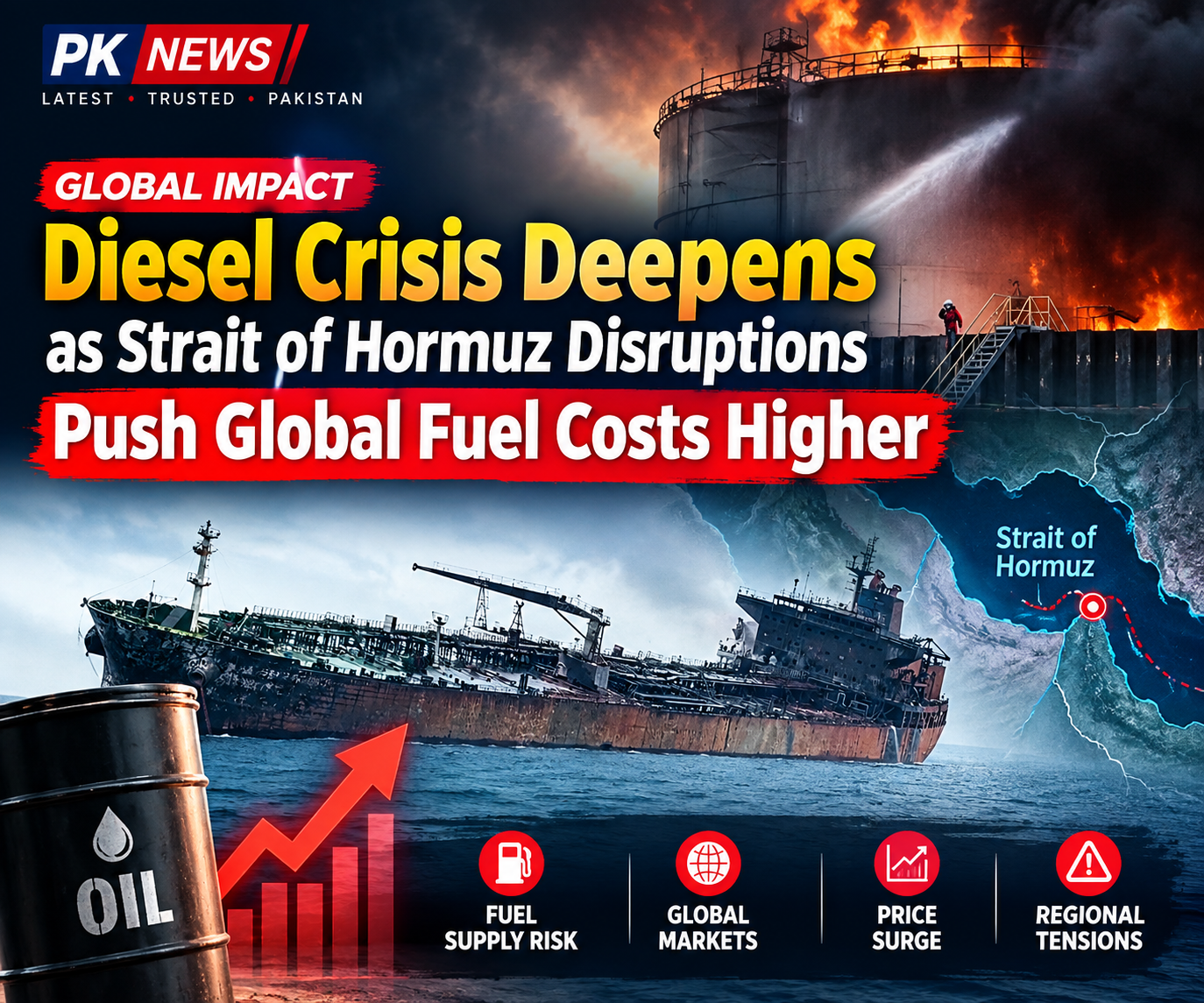
Diesel Crisis Deepens as Strait of Hormuz Disruptions Push Global Fuel Costs Higher
Disruptions to crude oil supplies through the Strait of Hormuz are creating ripple effects across the global economy, with diesel prices rising sharply and increasing pressure on transportation, agriculture, businesses and essential services.
Diesel is a critical part of the global economy. Trucks, generators, agricultural machinery and industrial equipment rely heavily on the fuel, meaning shortages or rapidly increasing prices can affect the cost of everyday goods.
Oil Disruptions Spread Across the Global Economy
The Strait of Hormuz is a major route for international energy supplies. Reduced crude oil flows through the waterway can limit the amount of petroleum available for refining and distribution around the world.
Diesel is among the products most affected by tighter supplies.
Higher diesel costs can quickly move through supply chains because businesses depend on diesel-powered vehicles and machinery to transport raw materials and finished products.
As transportation becomes more expensive, the cost of food and other essential goods can also increase.
Bolivia Faces Diesel Shortages
Bolivia is among the countries experiencing serious pressure from rising fuel costs.
Diesel prices have increased sharply after a government fuel subsidy was removed, contributing to shortages and public protests.
The higher cost of diesel is affecting the country's food supply chain and businesses of different sizes.
Farmers and transport operators face higher operating expenses, while consumers ultimately face increased prices for basic goods.
The situation demonstrates how disruptions in international energy markets can reach countries far from the main conflict zones.
European Drivers Look Toward Electric Vehicles
Rising diesel prices are also changing consumer decisions in parts of Europe.
For people who depend heavily on their vehicles, increased fuel costs can significantly raise monthly transportation expenses.
Some consumers are consequently showing greater interest in electric vehicles and other alternatives that can reduce dependence on conventional fuels.
The financial pressure is particularly noticeable for drivers who use their cars frequently for work or daily travel.
Fuel Shortages Threaten Hospitals
The consequences of diesel shortages can become much more serious when hospitals depend on fuel-powered generators.
In Gaza, hospitals rely on generators to maintain electricity for critical equipment, including life-support systems and respirators.
Fuel shortages and electricity cuts can therefore directly affect patients and medical workers.
Hospitals require reliable energy not only for medical machines but also for lighting, refrigeration, ventilation and other essential operations.
Any prolonged interruption in fuel supplies can create significant risks for healthcare facilities already operating under difficult conditions.
Russian Fuel Exports Also Under Pressure
Global diesel markets are facing additional supply constraints because Russian fuel exports have declined significantly.
The source material attributes part of the disruption to repeated long-range Ukrainian drone strikes targeting Russian energy infrastructure.
Reduced Russian exports add another layer of pressure to an already tight international fuel market.
At the same time, diesel exports from the Middle East have reportedly fallen substantially since the beginning of the US-Iran conflict.
US Diesel Prices Reach Record Levels
The pressure is also being felt in the United States, where diesel prices have reached record levels.
Both Brent crude and US crude prices have remained above $100 per barrel, increasing the cost of producing and transporting petroleum products.
For trucking companies, farmers, construction businesses and other diesel-dependent industries, higher fuel costs can translate into increased operating expenses.
Those additional costs can eventually reach consumers through higher transportation charges and more expensive goods.
Why Diesel Matters So Much
Diesel is often described as the workhorse of the global economy because of its role in moving goods and powering machinery.
A shortage does not simply affect motorists at fuel stations.
It can disrupt agricultural production, freight transportation, construction, manufacturing, electricity generation and emergency services.
That is why a disruption affecting a major oil route such as the Strait of Hormuz can have consequences far beyond the Middle East.
Global Consumers Face Higher Costs
The combination of reduced crude supplies, falling fuel exports and higher diesel prices is creating a difficult environment for consumers and businesses.
The impact can be particularly severe in countries where governments have historically used fuel subsidies to keep transportation and food costs lower.
When those subsidies become too expensive to maintain, consumers may suddenly face much higher prices.
The effects can then spread through the economy as transportation, agriculture and production costs increase.
The continuing pressure on international oil routes means diesel markets will remain closely linked to developments in the Middle East.
If disruptions persist, countries dependent on imported fuel could face further price increases, while businesses and consumers around the world may continue to feel the economic consequences.
Related Articles You May Like
Related News








Comments (0)
Leave a Comment
No comments yet. Be the first to comment!