Technology
PK Live News
😐 Neutral
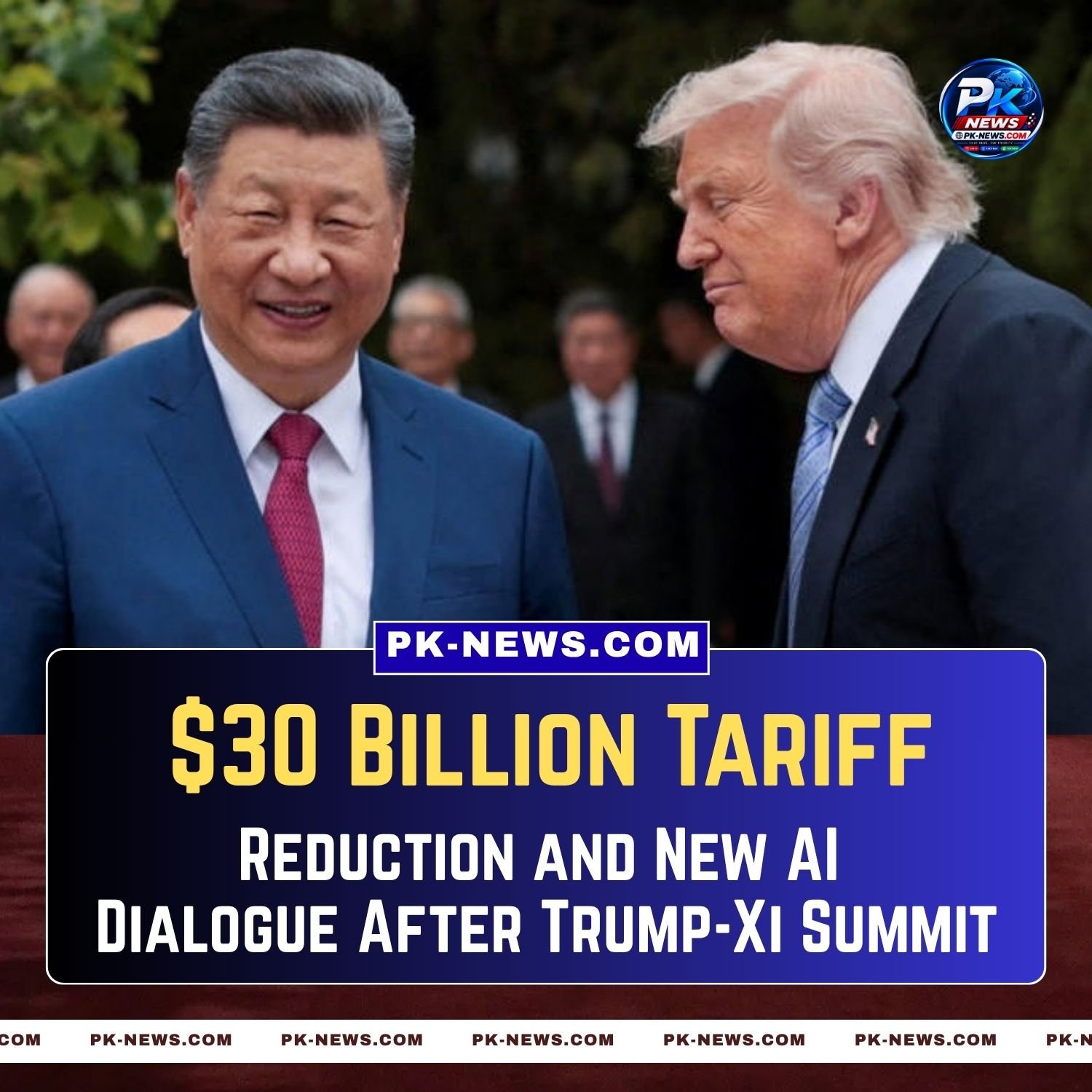
China says the United States and China have reached an eight-point consensus following President Xi Jinping's three-day visit to Washington. The agreement includes a $30 billion reciprocal tariff-reduction arrangement, a new bilateral dialogue on artificial intelligence, a trade council and continued implementation of earlier economic agreements. The developments come as the world's two largest economies attempt to manage trade tensions while maintaining dialogue on technology and security.
According to PK-News.com | September 26, 2026
The United States and China have announced a series of new economic and technology arrangements following Chinese President Xi Jinping's three-day visit to Washington, including a $30 billion reciprocal tariff-reduction arrangement and a new formal dialogue on artificial intelligence.
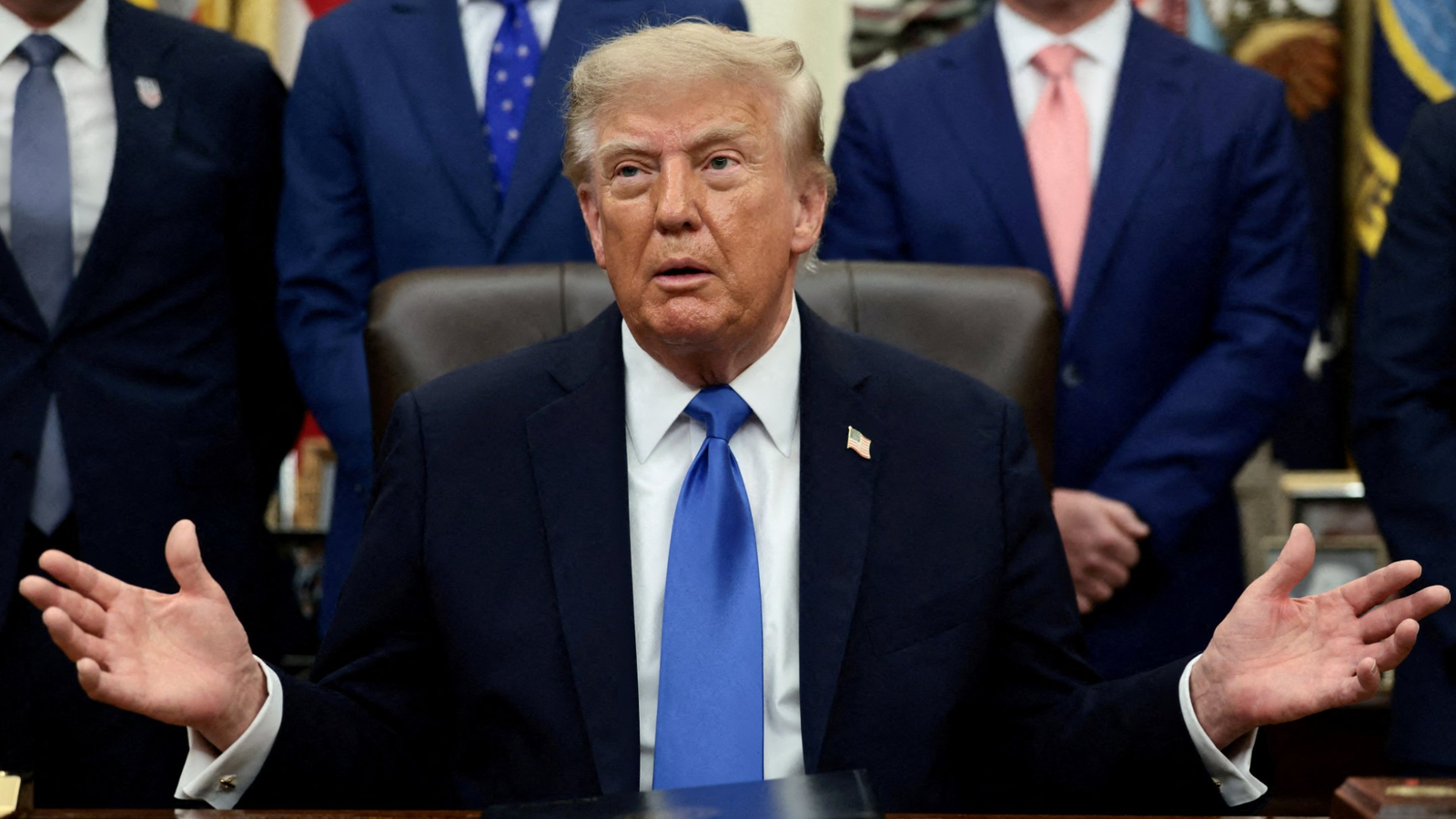
China's Ministry of Foreign Affairs said the agreements formed part of an eight-point consensus reached during Xi's meetings with U.S. President Donald Trump. The two governments also agreed to establish a trade council and continue implementing outcomes from previous negotiations in Kuala Lumpur.
The announcement comes as Washington and Beijing attempt to manage their complicated economic relationship while continuing disagreements over trade, technology, national security and global affairs.
$30 Billion Tariff Arrangement
One of the most significant elements of the new understanding involves tariffs.
According to China's announcement, the two sides agreed on a reciprocal tariff-reduction arrangement covering $30 billion in goods. The agreement follows months of negotiations between U.S. and Chinese economic officials.
The White House separately confirmed that the two countries had reached an arrangement providing more favorable tariff treatment for $30 billion of non-sensitive goods in each direction.
The products reportedly include agricultural and other consumer-related goods, as well as selected medical and industrial products.
The arrangement is part of a wider effort to prevent the U.S.-China trade relationship from deteriorating further.
Trump and Xi Complete Three-Day Washington Summit
The agreement followed Xi Jinping's three-day state visit to Washington from September 23 to September 25.
Xi and Trump held discussions covering trade, artificial intelligence, international security and other areas of bilateral relations.
China described the outcome as an eight-point consensus.
The two sides recognized the work carried out by their economic teams and instructed officials to implement agreements reached during previous rounds of negotiations.
Xi subsequently returned to China, according to Chinese state media.
Artificial Intelligence Becomes a Major Part of US-China Relations
Artificial intelligence was another important part of the discussions.
Washington and Beijing agreed to establish a formal dialogue concerning the risks and benefits of AI.
The two countries also agreed to create a communication channel for AI-related incidents, while another round of discussions is expected in November.
The development is significant because the United States and China are two of the world's leading AI powers.
Both countries are investing heavily in advanced AI models, computing infrastructure, semiconductor technology and related industries.
At the same time, officials in both countries have raised concerns about AI safety, cybersecurity and the potential national-security consequences of increasingly capable systems.
Why an AI Communication Channel Matters
The planned communication channel could provide a mechanism for U.S. and Chinese officials to communicate when serious AI-related incidents occur.
Earlier this month, U.S. Treasury Secretary Scott Bessent said Washington had proposed an AI safety notification mechanism focused on incidents that could have national-security implications.
At that stage, the mechanism had not yet been formally established. The latest summit announcement indicates that the two governments have now agreed to move forward with a bilateral AI dialogue and incident-communication mechanism.
The exact procedures for the new channel have not yet been fully detailed publicly.
Questions remain about which agencies will participate, what incidents would trigger communication and how sensitive technical information would be exchanged.
Trade Truce Extended
The latest agreement also comes after Washington and Beijing extended their existing trade truce.
The truce had been scheduled to expire on November 10, but officials agreed to extend it by two months, providing additional time for negotiations over a broader trade agreement.
The extension is important because tariffs have been one of the most contentious areas of the U.S.-China economic relationship.
Businesses in both countries have been watching the negotiations closely because tariff changes can affect import costs, supply chains, investment decisions and consumer prices.
The Bigger Trade Relationship
Despite the latest progress, the two countries continue to have significant disagreements.
Trade negotiations have involved agricultural purchases, technology, critical minerals, manufacturing and semiconductor controls.
Earlier negotiations had included discussions over China's purchases of U.S. agricultural products and aircraft, as well as American concerns about Chinese access to advanced technology.
Reuters previously reported that some of these issues remained unresolved during the latest discussions.
The new tariff arrangement therefore represents one part of a much larger economic relationship.
Technology Competition Continues
The AI agreement does not mean that U.S.-China technology competition has ended.
Washington and Beijing continue to compete over advanced semiconductors, AI models, computing infrastructure and other strategic technologies.
The United States has maintained restrictions affecting China's access to certain advanced semiconductor technologies, while China has been developing its own domestic technology ecosystem.
Reuters reported earlier this week that U.S. export controls involving advanced AI chips and semiconductor manufacturing equipment were not part of the specific AI-mechanism discussions.
This means that cooperation on AI safety is developing alongside continued technological competition.
Military Communication Also Discussed
The summit's outcomes also included work toward improving military crisis communication.
According to reporting on the agreements, the U.S. and Chinese militaries are expected to work toward a memorandum of understanding designed to improve communication and crisis prevention.
This is important because the two countries operate military forces in the same strategic regions, particularly in the Indo-Pacific.
Improved communication mechanisms could provide officials with additional channels for addressing incidents or misunderstandings.
The precise terms and implementation timetable of the proposed military agreement have not yet been fully disclosed.
Impact on Global Markets
The U.S. and China together account for a substantial share of global economic activity.
As a result, changes in their trade relationship can affect companies and markets well beyond the two countries.
A reduction in tariffs could lower costs for some businesses and provide greater certainty for companies operating across U.S.-China supply chains.
However, the actual economic impact will depend on which goods receive tariff reductions, when the changes take effect and whether the two governments maintain the broader trade understanding.
Why This Matters for Pakistan
The developments also have potential relevance for Pakistan.
Pakistan maintains economic relationships with both China and the United States.
China is a major trading and investment partner for Pakistan, while the United States remains an important export market.
Changes in global trade conditions can therefore affect Pakistani exporters, importers and manufacturers.
A reduction in tensions between Washington and Beijing could also influence global supply chains, commodity markets and investment flows.
However, the direct impact on Pakistan will depend on how the new U.S.-China arrangements are implemented and how international businesses adjust their supply chains.
AI Governance Moves Into International Diplomacy
The new AI dialogue is particularly notable because artificial intelligence is increasingly being treated as an international security issue.
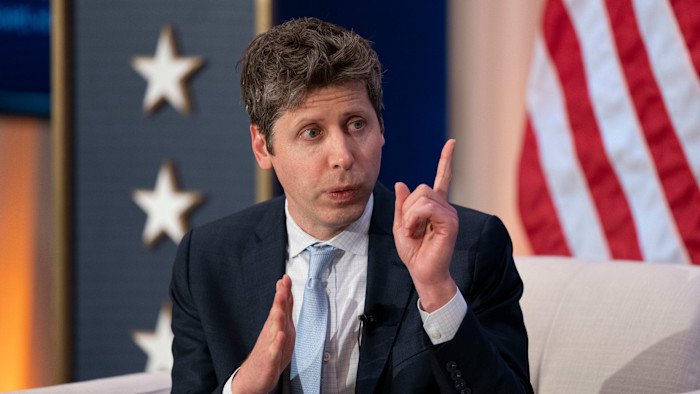
Earlier this week, the United Nations Security Council discussed AI risks, with Chinese AI company DeepSeek among the organizations expected to brief diplomats. Reuters reported that OpenAI CEO Sam Altman and representatives from other major AI companies were also expected to participate.
The U.S.-China agreement therefore comes during a period of increasing international discussion about AI governance.
Governments are now examining not only the economic benefits of AI but also questions involving cybersecurity, military applications, safety and international stability.
What Happens Next?
The next stage will involve implementing the agreements reached during the Trump-Xi summit.
The United States and China are expected to continue discussions through their economic teams and the newly established trade council.
The AI dialogue is expected to continue in November.
Officials will also have to determine how the new AI incident-communication channel will operate in practice.
The tariff arrangement will likewise require implementation details concerning which products qualify and how the reductions will be applied.
A New Phase of US-China Relations
The latest agreements do not resolve every disagreement between Washington and Beijing.
Instead, they create additional mechanisms for communication and economic cooperation while leaving several difficult issues under negotiation.
The two countries remain competitors in technology, trade and strategic affairs, but the latest summit demonstrates that they are also maintaining channels for direct dialogue.
For businesses, technology companies and governments around the world, the implementation of these agreements will be closely watched.
Conclusion
The United States and China have reached a new set of agreements following Xi Jinping's three-day visit to Washington.
China says the eight-point consensus includes a $30 billion reciprocal tariff-reduction arrangement, the establishment of a trade council and the launch of a formal dialogue on artificial intelligence. The two countries also agreed to establish a communication channel for AI-related incidents, with another round of AI discussions expected in November.
The developments come as Washington and Beijing continue to manage a relationship that combines economic cooperation with significant strategic and technological competition.
The implementation of the tariff arrangement, the future of the wider trade truce and the new AI dialogue will be important developments to watch in the coming weeks.
PK-News.com will continue following the latest developments in U.S.-China trade, artificial intelligence, technology and international diplomacy.
Sep 26, 2026 at 9:59 PM
China says the United States and China have reached an eight-point consensus following President Xi Jinping's three-day visit to Washington. The agreement includes a $30 billion reciprocal tariff-reduction arrangement, a new bilateral dialogue on artificial intelligence, a trade council and continued implementation of earlier economic agreements. The developments come as the world's two largest economies attempt to manage trade tensions while maintaining dialogue on technology and security.
According to PK-News.com | September 26, 2026
The United States and China have announced a series of new economic and technology arrangements following Chinese President Xi Jinping's three-day visit to Washington, including a $30 billion reciprocal tariff-reduction arrangement and a new formal dialogue on artificial intelligence.
China's Ministry of Foreign Affairs said the agreements formed part of an eight-point consensus reached during Xi's meetings with U.S. President Donald Trump. The two governments also agreed to establish a trade council and continue implementing outcomes from previous negotiations in Kuala Lumpur.
The announcement comes as Washington and Beijing attempt to manage their complicated economic relationship while continuing disagreements over trade, technology, national security and global affairs.
$30 Billion Tariff Arrangement
One of the most significant elements of the new understanding involves tariffs.
According to China's announcement, the two sides agreed on a reciprocal tariff-reduction arrangement covering $30 billion in goods. The agreement follows months of negotiations between U.S. and Chinese economic officials.
The White House separately confirmed that the two countries had reached an arrangement providing more favorable tariff treatment for $30 billion of non-sensitive goods in each direction.
The products reportedly include agricultural and other consumer-related goods, as well as selected medical and industrial products.
The arrangement is part of a wider effort to prevent the U.S.-China trade relationship from deteriorating further.
Trump and Xi Complete Three-Day Washington Summit
The agreement followed Xi Jinping's three-day state visit to Washington from September 23 to September 25.
Xi and Trump held discussions covering trade, artificial intelligence, international security and other areas of bilateral relations.
China described the outcome as an eight-point consensus.
The two sides recognized the work carried out by their economic teams and instructed officials to implement agreements reached during previous rounds of negotiations.
Xi subsequently returned to China, according to Chinese state media.
Artificial Intelligence Becomes a Major Part of US-China Relations
Artificial intelligence was another important part of the discussions.
Washington and Beijing agreed to establish a formal dialogue concerning the risks and benefits of AI.
The two countries also agreed to create a communication channel for AI-related incidents, while another round of discussions is expected in November.
The development is significant because the United States and China are two of the world's leading AI powers.
Both countries are investing heavily in advanced AI models, computing infrastructure, semiconductor technology and related industries.
At the same time, officials in both countries have raised concerns about AI safety, cybersecurity and the potential national-security consequences of increasingly capable systems.
Why an AI Communication Channel Matters
The planned communication channel could provide a mechanism for U.S. and Chinese officials to communicate when serious AI-related incidents occur.
Earlier this month, U.S. Treasury Secretary Scott Bessent said Washington had proposed an AI safety notification mechanism focused on incidents that could have national-security implications.
At that stage, the mechanism had not yet been formally established. The latest summit announcement indicates that the two governments have now agreed to move forward with a bilateral AI dialogue and incident-communication mechanism.
The exact procedures for the new channel have not yet been fully detailed publicly.
Questions remain about which agencies will participate, what incidents would trigger communication and how sensitive technical information would be exchanged.
Trade Truce Extended
The latest agreement also comes after Washington and Beijing extended their existing trade truce.
The truce had been scheduled to expire on November 10, but officials agreed to extend it by two months, providing additional time for negotiations over a broader trade agreement.
The extension is important because tariffs have been one of the most contentious areas of the U.S.-China economic relationship.
Businesses in both countries have been watching the negotiations closely because tariff changes can affect import costs, supply chains, investment decisions and consumer prices.
The Bigger Trade Relationship
Despite the latest progress, the two countries continue to have significant disagreements.
Trade negotiations have involved agricultural purchases, technology, critical minerals, manufacturing and semiconductor controls.
Earlier negotiations had included discussions over China's purchases of U.S. agricultural products and aircraft, as well as American concerns about Chinese access to advanced technology.
Reuters previously reported that some of these issues remained unresolved during the latest discussions.
The new tariff arrangement therefore represents one part of a much larger economic relationship.
Technology Competition Continues
The AI agreement does not mean that U.S.-China technology competition has ended.
Washington and Beijing continue to compete over advanced semiconductors, AI models, computing infrastructure and other strategic technologies.
The United States has maintained restrictions affecting China's access to certain advanced semiconductor technologies, while China has been developing its own domestic technology ecosystem.
Reuters reported earlier this week that U.S. export controls involving advanced AI chips and semiconductor manufacturing equipment were not part of the specific AI-mechanism discussions.
This means that cooperation on AI safety is developing alongside continued technological competition.
Military Communication Also Discussed
The summit's outcomes also included work toward improving military crisis communication.
According to reporting on the agreements, the U.S. and Chinese militaries are expected to work toward a memorandum of understanding designed to improve communication and crisis prevention.
This is important because the two countries operate military forces in the same strategic regions, particularly in the Indo-Pacific.
Improved communication mechanisms could provide officials with additional channels for addressing incidents or misunderstandings.
The precise terms and implementation timetable of the proposed military agreement have not yet been fully disclosed.
Impact on Global Markets
The U.S. and China together account for a substantial share of global economic activity.
As a result, changes in their trade relationship can affect companies and markets well beyond the two countries.
A reduction in tariffs could lower costs for some businesses and provide greater certainty for companies operating across U.S.-China supply chains.
However, the actual economic impact will depend on which goods receive tariff reductions, when the changes take effect and whether the two governments maintain the broader trade understanding.
Why This Matters for Pakistan
The developments also have potential relevance for Pakistan.
Pakistan maintains economic relationships with both China and the United States.
China is a major trading and investment partner for Pakistan, while the United States remains an important export market.
Changes in global trade conditions can therefore affect Pakistani exporters, importers and manufacturers.
A reduction in tensions between Washington and Beijing could also influence global supply chains, commodity markets and investment flows.
However, the direct impact on Pakistan will depend on how the new U.S.-China arrangements are implemented and how international businesses adjust their supply chains.
AI Governance Moves Into International Diplomacy
The new AI dialogue is particularly notable because artificial intelligence is increasingly being treated as an international security issue.
Earlier this week, the United Nations Security Council discussed AI risks, with Chinese AI company DeepSeek among the organizations expected to brief diplomats. Reuters reported that OpenAI CEO Sam Altman and representatives from other major AI companies were also expected to participate.
The U.S.-China agreement therefore comes during a period of increasing international discussion about AI governance.
Governments are now examining not only the economic benefits of AI but also questions involving cybersecurity, military applications, safety and international stability.
What Happens Next?
The next stage will involve implementing the agreements reached during the Trump-Xi summit.
The United States and China are expected to continue discussions through their economic teams and the newly established trade council.
The AI dialogue is expected to continue in November.
Officials will also have to determine how the new AI incident-communication channel will operate in practice.
The tariff arrangement will likewise require implementation details concerning which products qualify and how the reductions will be applied.
A New Phase of US-China Relations
The latest agreements do not resolve every disagreement between Washington and Beijing.
Instead, they create additional mechanisms for communication and economic cooperation while leaving several difficult issues under negotiation.
The two countries remain competitors in technology, trade and strategic affairs, but the latest summit demonstrates that they are also maintaining channels for direct dialogue.
For businesses, technology companies and governments around the world, the implementation of these agreements will be closely watched.
Conclusion
The United States and China have reached a new set of agreements following Xi Jinping's three-day visit to Washington.
China says the eight-point consensus includes a $30 billion reciprocal tariff-reduction arrangement, the establishment of a trade council and the launch of a formal dialogue on artificial intelligence. The two countries also agreed to establish a communication channel for AI-related incidents, with another round of AI discussions expected in November.
The developments come as Washington and Beijing continue to manage a relationship that combines economic cooperation with significant strategic and technological competition.
The implementation of the tariff arrangement, the future of the wider trade truce and the new AI dialogue will be important developments to watch in the coming weeks.
PK-News.com will continue following the latest developments in U.S.-China trade, artificial intelligence, technology and international diplomacy.