2
NEW
War
😔 Negative
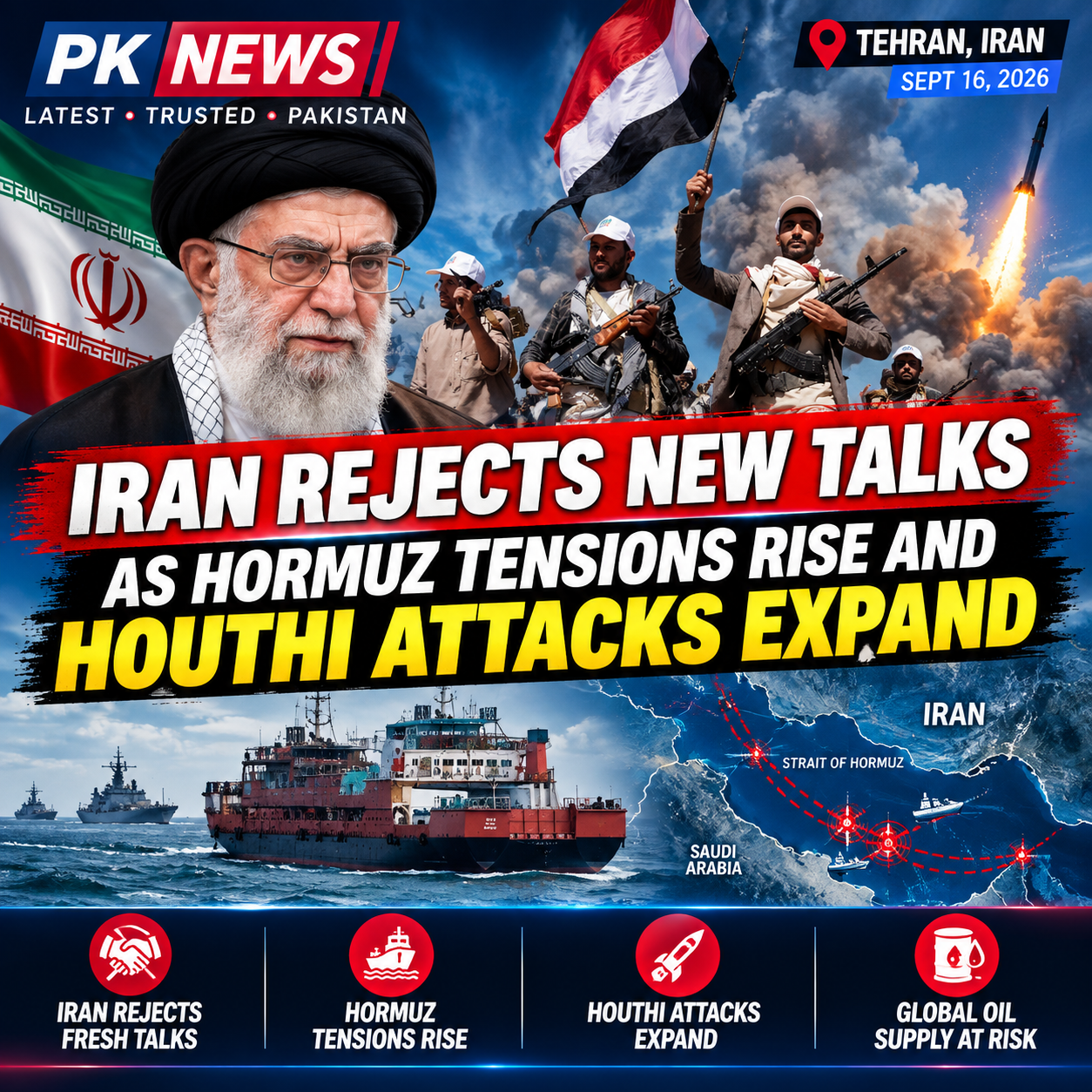
Iran Rejects New Talks as Hormuz Tensions Rise and Houthi Attacks Expand
Tensions surrounding Iran and the Strait of Hormuz remain high as Tehran signals that it is not prepared to enter new negotiations until its conditions concerning the strategic waterway are addressed.
At the same time, the Houthi movement in Yemen is expanding its military activity, creating additional security concerns around the Red Sea and increasing pressure on regional energy infrastructure.
The developments have raised concerns about the security of international shipping and the potential impact on global oil prices.
Iran Sets Conditions for New Talks
Iran has rejected the idea of immediately entering another round of negotiations with the United States.
The position described in the latest reports centers on the Strait of Hormuz, one of the world's most important energy-shipping routes.
The waterway connects the Persian Gulf with the Gulf of Oman and provides a major route for oil shipments from Gulf producers to international markets.
Any prolonged disruption could have consequences for energy supplies and prices around the world.
Tensions Continue Around the Strait of Hormuz
Reports indicate that explosions were heard in the region during the latest period of heightened tensions.
Iran has also claimed that its forces brought down a US MQ-1 Predator drone.
Meanwhile, US forces reportedly targeted several small Iranian boats that were suspected of attempting to seize a maritime drone.
The incidents demonstrate how quickly military encounters in and around the waterway could escalate.
Houthi Activity Creates a Second Maritime Pressure Point
While attention remains focused on Hormuz, the situation in Yemen is adding another challenge.
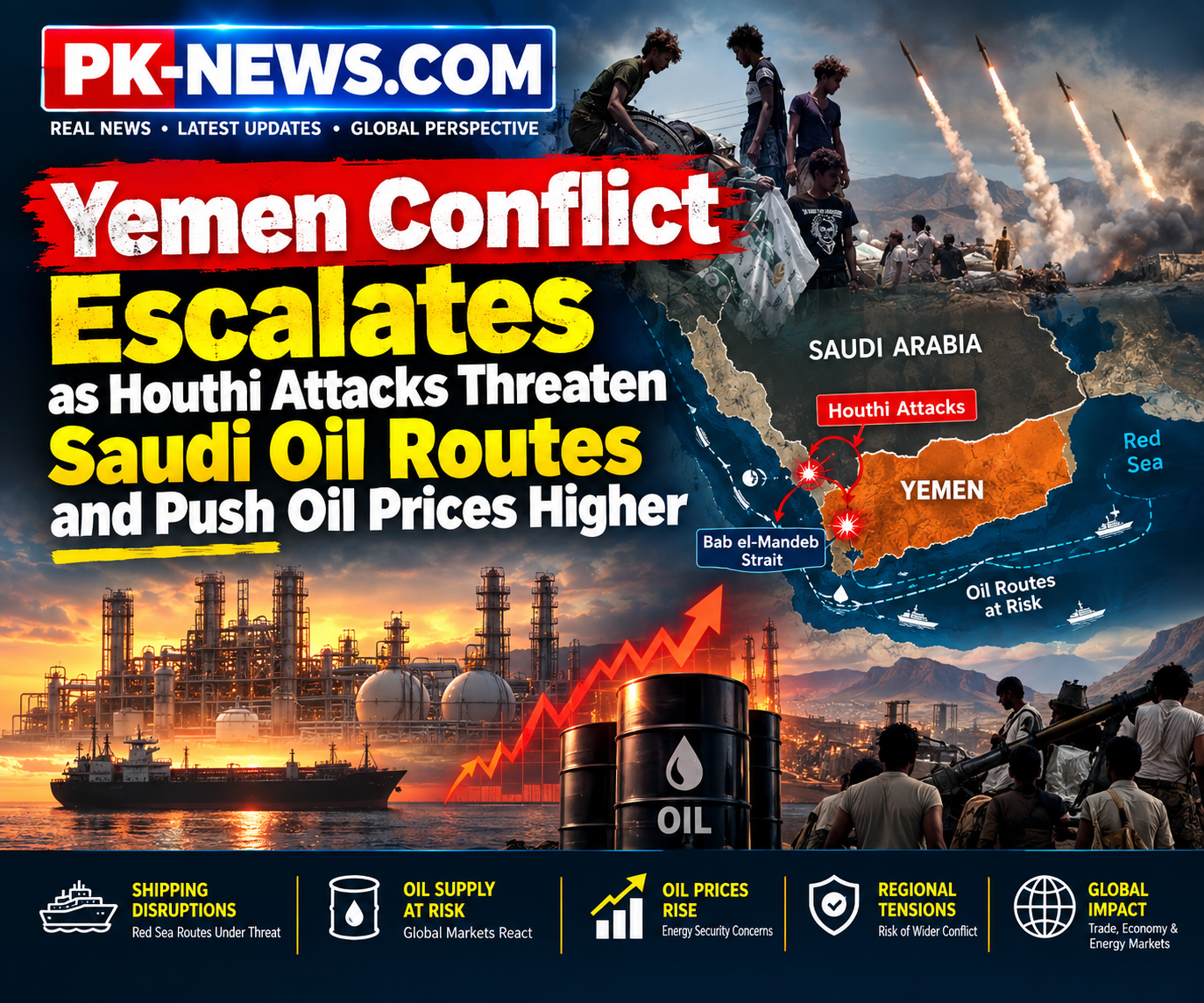
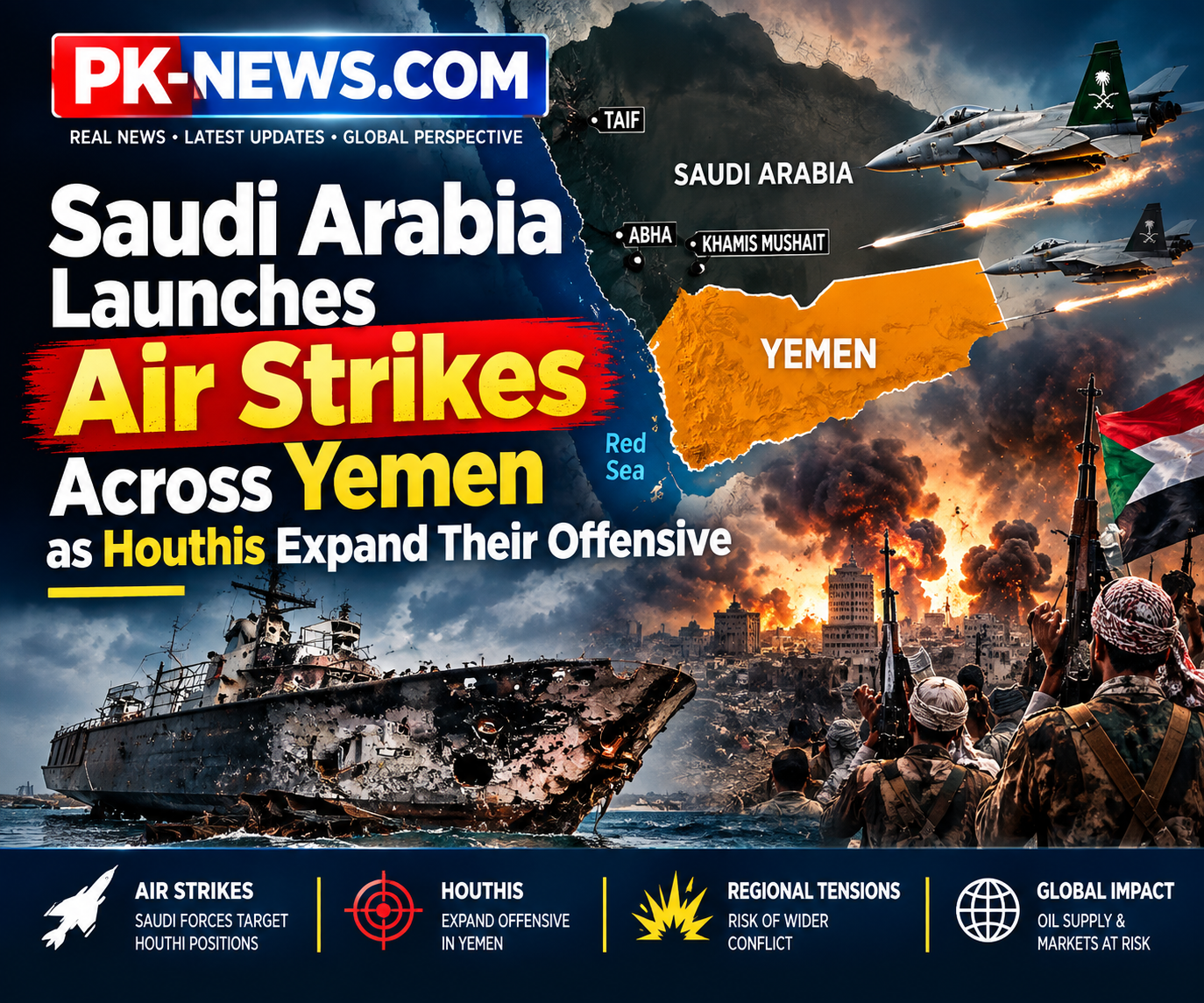
The Houthis have increased attacks against targets linked to the Yemeni government and Saudi Arabia.
Their activities are particularly significant because of Yemen's position near the Bab el-Mandeb Strait, a narrow passage connecting the Red Sea with the Gulf of Aden.
The waterway is an important route for international commercial shipping.
A serious disruption there could create additional pressure on global energy transportation at the same time that the Strait of Hormuz remains under threat.
Saudi Arabia Faces Growing Security Concerns
Saudi Arabia is increasingly exposed to the effects of the escalation.
Reports indicate that Saudi authorities have sought additional intelligence and security assistance as Houthi forces make territorial gains and increase their activity.
The possibility of fighting around strategically important islands and maritime areas has added another layer to the security situation.
Saudi energy infrastructure has also come under pressure, including oil transportation facilities.
Any sustained disruption to Saudi oil exports could have consequences for international markets.
Why Hormuz and the Red Sea Matter to Oil Markets
The combination of risks around the Strait of Hormuz and the Bab el-Mandeb creates a particularly important challenge for the global energy system.
Hormuz is a major route for crude oil and other energy products leaving the Persian Gulf.
The Bab el-Mandeb provides access between the Red Sea and the Indian Ocean, connecting the region with major international shipping routes.
If both routes become significantly more difficult to use, ships may have to take longer alternative routes.
That could increase fuel consumption, insurance costs and transportation times, potentially adding further pressure to energy prices.
US Works to Protect Oil Shipments
The United States continues military operations aimed at protecting maritime traffic and maintaining the movement of energy supplies.
Reports indicate that US forces have been conducting regular operations designed to help ensure that oil tankers can continue leaving the Persian Gulf.
The effort comes as the region faces threats from both Iranian forces and armed groups aligned with Tehran.
However, maintaining shipping security does not eliminate the broader risks created by attacks and military confrontations.
Regional Security Cooperation Increases
US Central Command has reportedly brought together senior military officials from regional countries, including Israel, to discuss security cooperation.
The objective is to improve coordination in response to threats connected to Iran and armed groups operating across the region.
For regional governments, the situation has become increasingly complicated because threats are developing across several separate but interconnected locations.
Iran, Yemen, Saudi Arabia, the Persian Gulf and the Red Sea are all becoming part of the wider security picture.
No Clear End to the Conflict
More than six months into the conflict described in the transcript, there is still no clear indication of an immediate settlement.
Iran appears unwilling to make an agreement until its stated conditions are addressed, while military activity continues around the Strait of Hormuz.
The Houthi conflict in Yemen is simultaneously creating another potential pressure point near the Red Sea.
The result is a rapidly changing regional situation in which military developments could directly affect international shipping and energy markets.
What the World Is Watching
The most important developments to monitor are the security of the Strait of Hormuz, Houthi activity near the Bab el-Mandeb, attacks on energy infrastructure and the possibility of renewed diplomatic negotiations between Iran and the United States.
Any major escalation around either maritime chokepoint could have consequences well beyond the Middle East.
For global markets, the central concern is whether energy shipments can continue moving safely through the region. For regional governments, the immediate challenge is containing the expanding security threats while preventing the conflict from spreading further.
Related Articles You May Like
Related News





Comments (0)
Leave a Comment
No comments yet. Be the first to comment!