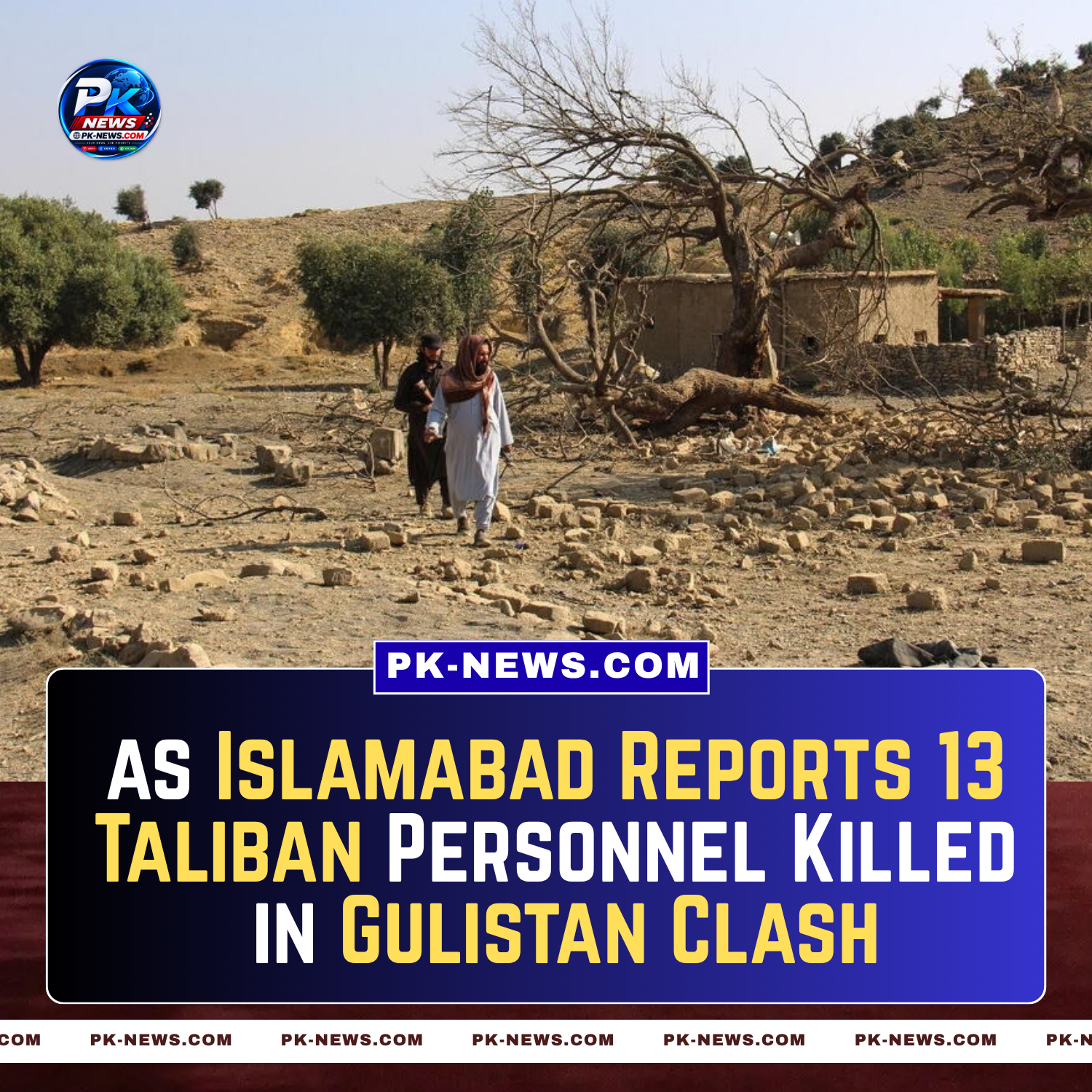
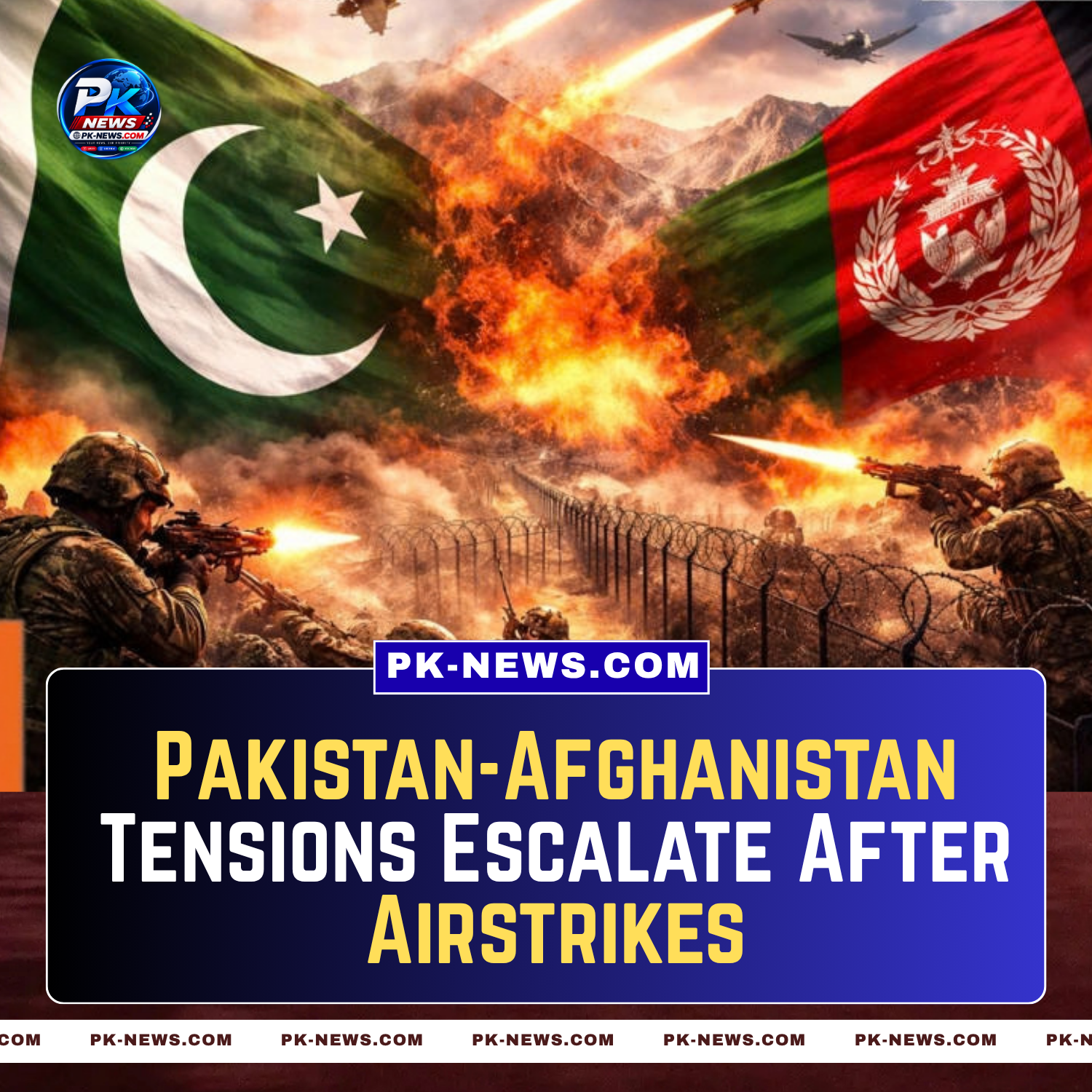
Tensions between Pakistan and Afghanistan have sharply escalated following overnight fighting in the Gulistan sector of Balochistan. Pakistan says its forces repelled an attempted Afghan incursion and that at least 13 Afghan Taliban personnel were killed, while Kabul has rejected Islamabad's account and said its forces destroyed a Pakistani border post without suffering casualties. The competing claims come after Pakistani air and drone strikes inside Afghanistan and a series of alleged drone incursions, raising fresh concerns about further escalation along the border.
Pakistan reports major overnight border clash
Pakistan-Afghanistan relations have entered another tense phase after Islamabad reported an overnight confrontation in the Gulistan sector along the southwestern border.
Pakistan's Ministry of Information and Broadcasting said Pakistani forces thwarted what it described as an attempted Afghan aggression during the night of September 24–25.
According to the ministry, fighting subsequently continued around opposing Taliban positions, with Pakistan claiming that at least 13 Afghan Taliban personnel were killed and several others injured.
The ministry also rejected Afghanistan's version of events, describing Kabul's claim that a Pakistani border post had been destroyed as "fake and fabricated."
The incident represents another significant escalation between the two neighbours after several months of relative calm.
Afghanistan disputes Pakistan's account
Afghanistan's Taliban authorities have presented a fundamentally different account of the confrontation.
According to reports, Afghanistan claimed that its forces destroyed a Pakistani military post near the Spin Boldak area and said Afghan forces suffered no casualties.
Pakistan rejected those claims and maintained that its forces had successfully repelled an attempted attack.
The competing statements have not been independently verified, meaning the exact scale of damage and casualties remains difficult to establish from outside sources.
The Associated Press also reported that Afghanistan denied Pakistan's claim that 13 Taliban personnel were killed.
This difference in accounts is particularly important because the latest confrontation follows several other incidents involving military strikes, drones and cross-border attacks.
Fighting follows Pakistani airstrikes inside Afghanistan
The latest border clash came only one day after Pakistan said it carried out air and drone strikes against 10 locations inside Afghanistan.
Pakistan said the targets included militant infrastructure as well as locations used to launch and store drones.
Information Minister Attaullah Tarar said the operation followed what Pakistan described as deliberate drone incursions into its territory.
Pakistani officials said eight drones had entered Pakistani airspace from Afghanistan and were subsequently intercepted.
According to Pakistani security officials, four drones were shot down near Torkham while four others were brought down in mountainous areas around Kohat.
Pakistan has argued that the strikes were part of its response to threats originating from across the border.
Afghanistan has denied responsibility for launching drones against Pakistan.
Afghan provinces reportedly targeted
Afghan officials said the Pakistani strikes affected several areas.
Afghan government spokesperson Zabihullah Mujahid said the September 24 strikes hit areas in Kandahar, Paktia and Khost provinces.
Afghan authorities also reported civilian casualties.
The Associated Press reported that Afghanistan said four civilians were killed in the strikes. This followed an earlier Pakistani operation on September 21, after which Afghan officials reported civilian deaths and the United Nations confirmed civilian casualties.
Pakistan, however, has maintained that its operations were directed against militant infrastructure rather than civilians.
These conflicting accounts remain central to the wider dispute.
Why Pakistan says it is taking military action
Islamabad has repeatedly accused militant groups operating from Afghan territory of carrying out attacks inside Pakistan.
The most prominent group involved in Pakistan's allegations is the Tehrik-e-Taliban Pakistan (TTP).
Pakistan says Afghan territory is being used by militant groups to plan and support attacks against Pakistani security forces and civilians.
The Taliban government in Kabul rejects the accusation and says it does not permit its territory to be used against other countries.
The disagreement over militant activity has become one of the most difficult issues between Islamabad and Kabul.
Recent attacks have increased pressure on Islamabad
Pakistan's latest military actions come after a series of serious security incidents.
Earlier this week, Pakistan said it conducted airstrikes against militant locations in Afghanistan following a deadly attack in Kohat.
Pakistan said the operation killed 28 militants, while Afghan authorities reported civilian casualties. The United Nations subsequently confirmed civilian deaths from the earlier strikes.
The Kohat attack had itself intensified pressure on Pakistan's security authorities.
According to the Associated Press, a coordinated assault on a police compound in Kohat killed 23 people, including 17 police officers and six civilians, while eight attackers were killed during the subsequent operation.
Islamabad has linked the broader security threat to militants allegedly operating from Afghan territory, although Kabul disputes Pakistan's accusations.
Border remains on high alert
Following the latest clash, Pakistani security forces remain on high alert in the affected border areas.
Pakistani security sources told international media that intermittent firing had continued during the confrontation.
The reported fighting around Gulistan and Spin Boldak is particularly significant because the area connects southwestern Pakistan with southern Afghanistan and has previously experienced cross-border tensions.
Any prolonged confrontation could affect border movement, trade and civilian life in communities on both sides.
Competing claims make the situation difficult to verify
One of the major challenges surrounding the latest incident is the lack of independent verification.
Pakistan says it successfully prevented an Afghan incursion and inflicted casualties on Taliban personnel.
Afghanistan says its forces destroyed a Pakistani position and suffered no casualties.
The two sides therefore provide almost completely different accounts.
Al Jazeera reported that Pakistani security sources said several Taliban members were killed but noted that there was no immediate independent confirmation from either side regarding the full details of the confrontation.
For news organisations, this makes attribution particularly important.
PK-News.com should therefore describe the casualty figure as Pakistan's reported figure, rather than presenting 13 deaths as independently confirmed.
Regional mediation faces another challenge
The renewed violence also threatens diplomatic efforts aimed at reducing tensions between Pakistan and Afghanistan.
Countries including China, Türkiye, Qatar and Saudi Arabia have previously been involved in efforts to encourage dialogue between Islamabad and Kabul.
Al Jazeera reported that the latest escalation could complicate those mediation efforts.
Diplomatic engagement is particularly important because neither country benefits from prolonged instability along a border stretching more than 2,000 kilometres.
A sustained confrontation could also affect regional security and trade routes.
What happens next?
The coming days will be important.
Pakistan is likely to closely monitor the border for further attempted crossings, attacks or drone activity.
Afghan authorities may also respond to the latest Pakistani military operations through diplomatic statements or other measures.
The most important questions now include whether the border fighting stops, whether additional military operations are conducted and whether regional countries can persuade both sides to return to negotiations.
Another major issue will be whether Pakistan receives further security assurances concerning militant activity originating from Afghan territory.
Risk of further escalation
The latest clash is part of a much broader deterioration in Pakistan-Afghanistan relations.
The sequence of events is notable:
Pakistan reported militant attacks inside the country.
Islamabad carried out strikes inside Afghanistan.
Pakistan reported drone incursions from Afghanistan.
Pakistani forces conducted additional air and drone strikes.
Overnight fighting then erupted in the Gulistan sector.
Pakistan reported 13 Taliban personnel killed.
Afghanistan rejected Pakistan's account.
Each development has increased pressure on the other side.
If further incidents occur, the situation could become significantly more difficult to control.
At the same time, the competing claims demonstrate why independent verification and diplomatic communication remain important.
A critical moment for Pakistan and Afghanistan
The reported deaths of 13 Afghan Taliban personnel, if confirmed, would represent a significant development in the latest border confrontation. For now, however, the figure remains a Pakistani government claim disputed by Afghanistan.
What is clear is that relations between Islamabad and Kabul have deteriorated sharply in recent days.
Pakistan says it is responding to cross-border security threats and attacks.
Afghanistan rejects those accusations and has condemned Pakistani military operations inside its territory.
With both sides maintaining opposing positions, the next few days could prove crucial.
Any additional drone incursions, border attacks or airstrikes could further intensify the crisis, while successful diplomatic engagement could potentially prevent the confrontation from developing into a wider conflict.
PK-News.com will continue monitoring official statements from Islamabad and Kabul, developments along the Gulistan–Spin Boldak border, and any new military or diplomatic moves.
11
War
😔 Negative
Pakistan-Afghanistan Border Tensions Surge as Islamabad Reports 13 Taliban Personnel Killed in Gulistan Clash
Related Articles You May Like
Related News





Comments (0)
Leave a Comment
No comments yet. Be the first to comment!