US and Israel Launch Major Strikes on Iran
TEHRAN — The conflict between Iran, Israel and the United States has entered another dangerous phase as fighting continues across the region, with Iranian officials warning of a stronger response to any renewed US or Israeli military action.
The current crisis follows the major US-Israeli strikes launched against Iran on February 28, 2026, which Washington and Tel Aviv described as pre-emptive military operations. The conflict has since gone through periods of intense fighting, a ceasefire and renewed hostilities.
Iran Warns of a Crushing Response
Iranian Army Chief Major General Amir Hatami warned on October 5 that Iran's military would deliver a strong response if the country faced another attack.
Hatami said Iran's armed forces remained vigilant and warned that the US-Israeli war had not ended. His comments came amid continuing military and political tensions between Tehran, Washington and Tel Aviv.
Tehran Warns Conflict Could Spread
Iran's armed forces chief, Major General Ali Abdollahi, also warned that another act of aggression against Iran could have consequences for countries hosting US forces in the region.
According to Iranian state media, Abdollahi said continued American military presence in West Asia was a major source of insecurity and warned that any further US action against Iran, whether directly or through Israel, would trigger an immediate response from Iranian forces.
Iran Continues Diplomatic Efforts
Despite the military confrontation, Tehran says it continues to use diplomatic channels to protect its interests.
Iranian Foreign Minister Abbas Araghchi said Tehran would use all available diplomatic capabilities to protect the country's national interests and strengthen its international position and security.
The statement indicates that Iran is attempting to keep diplomatic options open while simultaneously preparing for possible further military confrontation.
US-Iran Peace Efforts Face Serious Obstacles
Diplomatic efforts between Washington and Tehran have struggled to produce a lasting settlement.
Iran has previously presented conditions for ending hostilities, including reopening the Strait of Hormuz and removing sanctions. US President Donald Trump has rejected proposals he considered insufficient, while Iranian officials have expressed skepticism about the prospects for a successful agreement.
Strait of Hormuz Remains Under Pressure
The Strait of Hormuz has become one of the most important flashpoints in the conflict because of its importance to global energy supplies.
On October 5, a tanker reportedly turned around after being hailed by Iran's Islamic Revolutionary Guard Corps and instructed to leave the waterway or face the possibility of being targeted. The incident highlights the continuing risks facing commercial shipping in the region.
Oil Markets Remain Highly Sensitive
The military confrontation has had a direct effect on international energy markets.
Oil prices have remained elevated as traders assess the possibility of further disruptions to Middle Eastern energy infrastructure and shipping. However, increased crude exports from the region and planned releases from strategic reserves have recently provided some relief to global markets.
Saudi Aramco Chief Executive Amin Nasser has warned that rebuilding global oil inventories could take up to two years if the Strait of Hormuz does not fully reopen and confidence in regional shipping does not return.
US Military Presence Remains Significant
The United States continues to maintain a substantial military presence in the Middle East as tensions with Iran remain high.
US Secretary of State Marco Rubio said Washington remains confident in the security of its military bases following recent attacks and regional developments. The United States has also continued adjusting the deployment of military assets in response to changing security conditions.
Iranian Drone Attack Raises Questions
The conflict has also resulted in casualties among US personnel.
According to reporting cited by the Associated Press, six US soldiers were killed in a drone attack on a US base in Kuwait, making it the deadliest known attack on American troops since the beginning of the US-Israeli war against Iran on February 28. Families of the soldiers have subsequently raised questions about warnings and preparations surrounding the attack.
Yemen Adds Another Front
The wider regional conflict is also affecting Yemen.
Yemeni government forces have launched a major campaign against the Iran-backed Houthi movement, while Saudi Arabia has carried out operations in support of the internationally recognised Yemeni government.
The developing situation around Yemen adds another potential front to an already complicated regional security environment.
Lebanon Also Remains a Conflict Zone
Israeli military activity has continued in southern Lebanon as the wider regional crisis develops.
Reports on October 4 said Israeli aircraft struck areas including Haddatha and other locations in southern Lebanon. The developments underline the possibility that the Iran-related conflict could continue affecting several countries and armed groups across the Middle East.
Iran Appoints Acting Oil Minister
Iran is also dealing with significant domestic pressures caused by the conflict.
Iranian President Masoud Pezeshkian accepted the resignation of Oil Minister Mohsen Paknejad and appointed Hamid Bovard, chief executive of the National Iranian Oil Company, as acting oil minister.
The change came as Iran faced fuel-supply pressures and long queues at petrol stations amid the wider war and disruptions affecting the country's energy sector.
Iran Prepares for Possible Wider War
Iranian officials have repeatedly warned that any renewed large-scale American attack could produce a broader military response.
Reuters reported that Iranian commanders have been reviewing plans for potential retaliation against US-linked assets and countries supporting American military operations. The report said Tehran was preparing for a stronger response while still pursuing diplomatic options.
Regional Security Risks Increase
The continuing confrontation has created risks well beyond Iran and Israel.
Military bases, commercial shipping, oil facilities and airspace across the region remain vulnerable to developments linked to the conflict. Any major escalation could affect international aviation, energy markets, maritime trade and regional economies.
The possibility of attacks involving allied groups in Yemen, Lebanon and Iraq further complicates efforts to contain the conflict.
Pakistan Closely Watches Regional Developments
Pakistan is closely watching the continuing crisis because of its geographical proximity to Iran and its wider economic and security interests in the Middle East.
Any prolonged disruption to Gulf shipping or a major increase in global oil prices could affect Pakistan's fuel-import costs, inflation and foreign-exchange requirements. Islamabad also has an interest in preventing the conflict from spreading further across the region.
What Happens Next?
The immediate direction of the conflict will depend on whether Washington and Tehran can revive meaningful diplomatic negotiations or whether military escalation continues.
Iran has warned that another major attack would trigger a strong response, while the United States and Israel continue to maintain military capabilities in the region. At the same time, the security situation around the Strait of Hormuz remains a major concern for global markets.
PK-News.com Analysis
The Iran conflict has entered a highly sensitive phase in which military confrontation and diplomacy are continuing simultaneously. Iran is warning of a stronger response to further attacks, while its foreign ministry says diplomatic channels remain active.
The situation is no longer limited to Iran and Israel. Developments in the Strait of Hormuz, Yemen, Lebanon, Iraq and Gulf energy infrastructure demonstrate how quickly the conflict can affect the wider Middle East.
For the international community, the biggest concern remains preventing further escalation while protecting commercial shipping, energy supplies and civilian populations.
PK-News.com Update
The US-Israeli war against Iran continues to shape security and economic developments across the Middle East. Iranian commanders have issued fresh warnings of retaliation, while Tehran says it remains committed to using diplomatic channels to protect its national interests.
At the same time, tanker movements through the Strait of Hormuz remain disrupted, oil markets remain volatile and fighting involving regional actors continues in Yemen and Lebanon.
This article was developed and researched by PK-News.com based on reports and statements available on October 5, 2026.
Key Points
Conflict: US-Israel-Iran war
Major escalation began: February 28, 2026
Iranian warning: Strong response to further attacks
Key flashpoint: Strait of Hormuz
Oil market: Remains highly sensitive to the conflict
Regional fronts: Iran, Israel, Lebanon, Yemen and Gulf waters
Diplomacy: Iran says diplomatic channels remain open
Major concern: Further regional escalation
0
NEW
War
😔 Negative
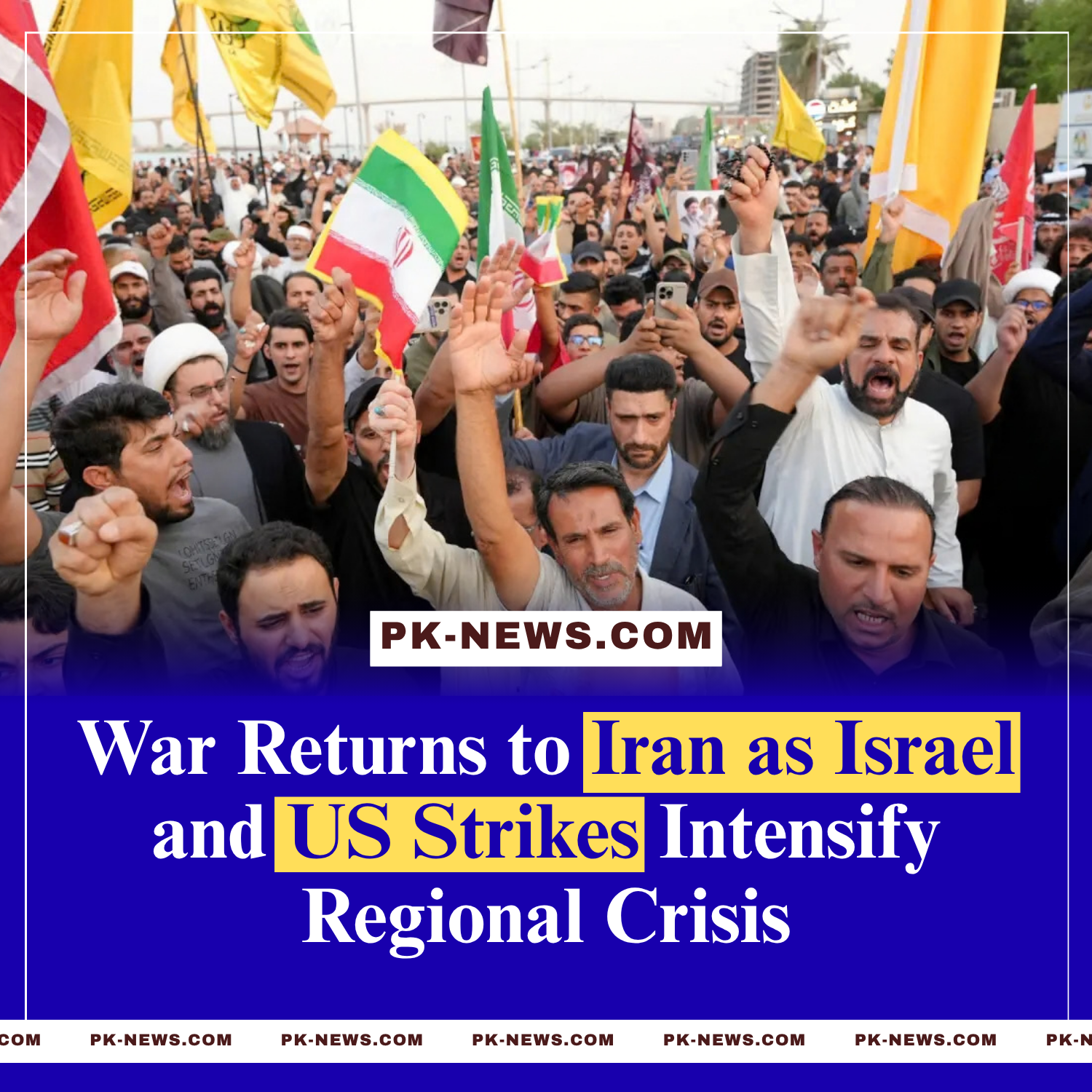
War Returns to Iran as Israel and US Strikes Intensify Regional Crisis
Related Articles You May Like
Related News




Comments (0)
Leave a Comment
No comments yet. Be the first to comment!