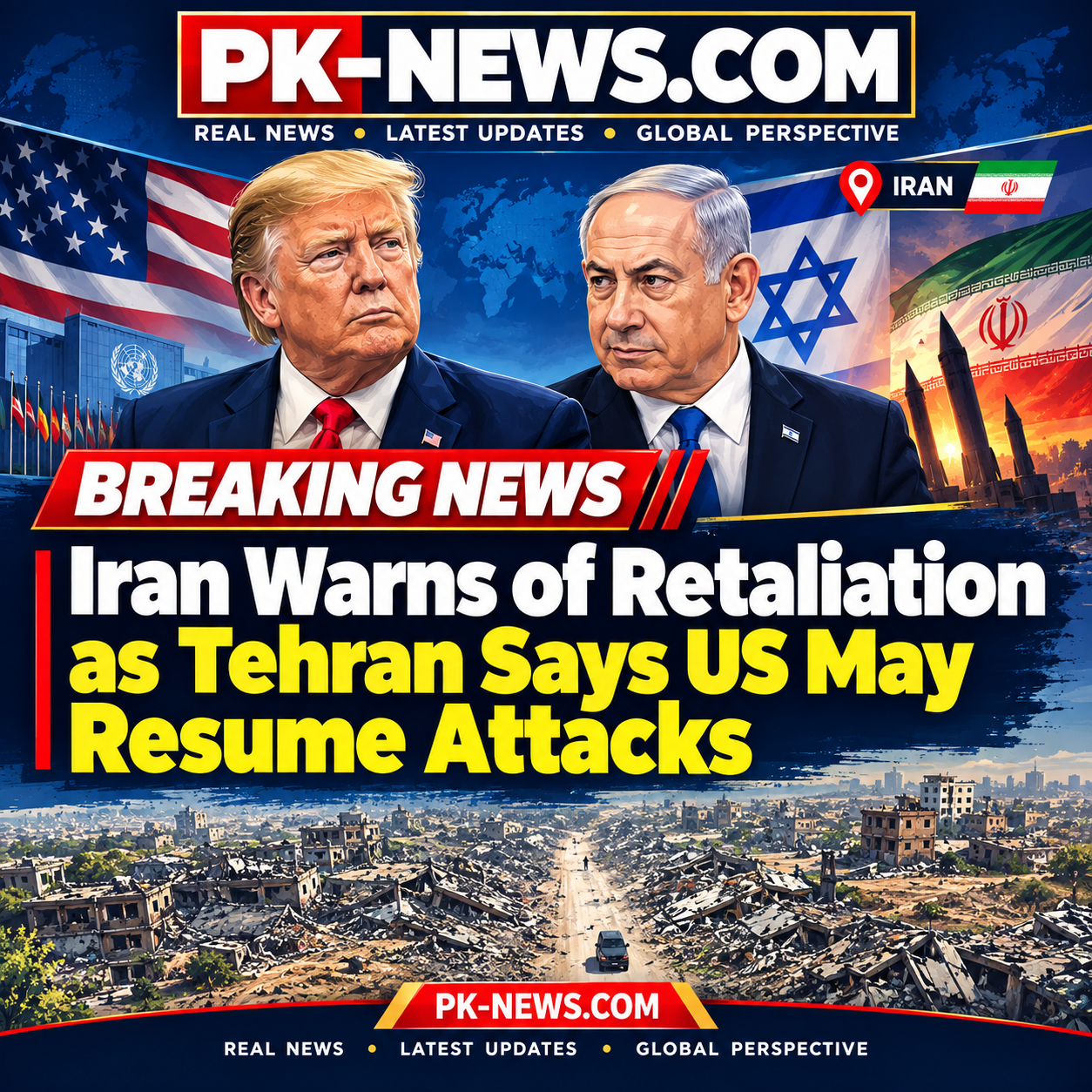
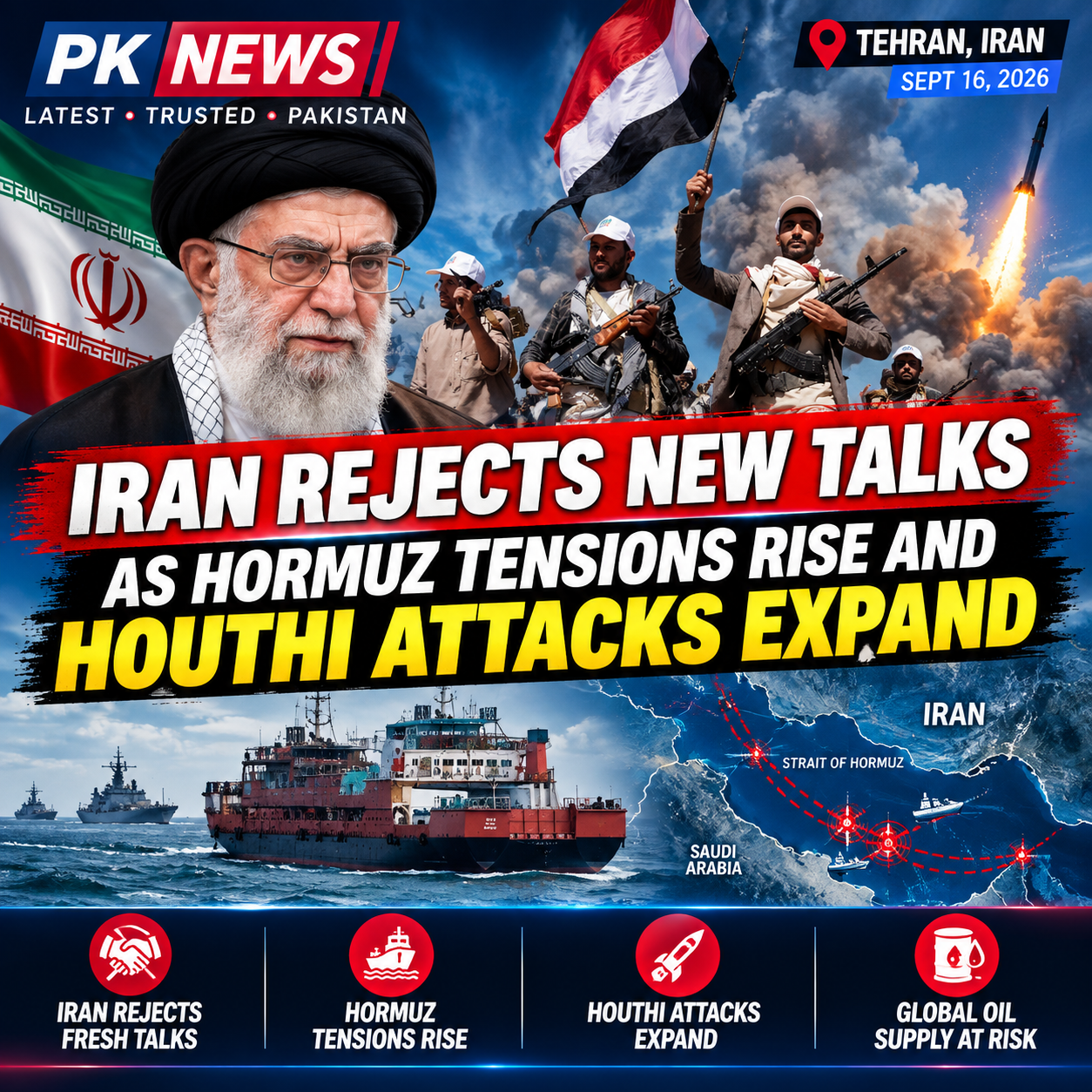
Iranian authorities are warning that the country is prepared to respond to any renewed U.S. military action, while diplomatic efforts continue behind the scenes to reopen negotiations between Tehran and Washington.
Iranian state media reported that the country's military leadership had received intelligence suggesting the United States could be preparing to resume attacks against Iranian territory. The warning comes amid heightened tensions across the Middle East and growing concern that another escalation could widen the conflict beyond Iran and the United States.
Iran's top negotiator said Tehran would respond without what he described as limitations if Washington launched new strikes. At the same time, Iranian officials have continued to emphasize that diplomacy remains possible, provided their stated conditions are addressed.
According to the remarks carried in the transcript, Iran is demanding an end to fighting on all fronts, the unfreezing of Iranian financial assets and an end to the U.S. naval blockade. Iranian officials have also linked the reopening of the Strait of Hormuz to progress on these demands.
The Strait of Hormuz is a critical international energy route, and continued disruption there has broader consequences for global oil markets and regional economies.
Tehran Signals Both Negotiation and Military Readiness
Iran's public messaging has combined two seemingly parallel positions: a willingness to consider diplomatic engagement and a warning that its military is prepared for another confrontation.
Iranian officials cited in the report said mediated discussions involving Pakistan and Qatar have been taking place. Tehran is also expecting a Pakistani delegation, which the report describes as another possible indication that diplomatic channels remain active.
Qatar has separately said it is working to help restart talks between Washington and Tehran. A Qatari foreign ministry spokesman said mediators had been moving between different capitals and exchanging proposals in an effort to bridge differences between the two sides.
The diplomatic activity does not mean an agreement has been reached. Instead, it indicates that several governments are attempting to create conditions for negotiations while military tensions remain high.
Iranian officials have simultaneously issued increasingly strong warnings about a possible new round of fighting. The report says Iran's military leadership warned that any U.S. attack could result in severe retaliation.
Tehran has also warned neighboring Gulf states against allowing their territory or military facilities to be used for U.S. operations against Iran.
Concerns About a Wider Regional Conflict
One of the most significant concerns surrounding the current tensions is the possibility that a renewed U.S.-Iran confrontation could involve other countries in the region.
An Iranian academic interviewed in the report claimed that Tehran had observed movements of U.S. military assets and other operational activity in the Middle East. These claims were presented as part of Iran's assessment that Washington could be preparing for another military operation.
However, such claims represent the interpretation of the speaker and should not be treated as independent confirmation that a new U.S. attack is imminent.
The same discussion highlighted the possibility of military activity extending beyond Iran's borders if the conflict escalates. Iranian officials have warned that countries assisting U.S. military operations could also face consequences.
That creates a difficult position for Gulf governments, many of which maintain security relationships with Washington while also seeking to avoid becoming directly involved in another regional war.
Washington Faces Military, Economic and Diplomatic Pressure
A former U.S. national security official interviewed in the report described Washington as facing several simultaneous challenges.
These include maintaining military pressure, protecting American personnel and facilities, enforcing sanctions, monitoring Iran's military capabilities and continuing diplomatic engagement.
The former official argued that the United States needs a broader strategy rather than relying primarily on individual public statements or short-term military decisions. He also pointed to the importance of coordination among intelligence agencies, the military, the State Department and the Treasury Department.
The assessment presented in the interview is one individual's analysis and does not establish U.S. government policy.
The discussion also highlighted the economic consequences of the conflict. Oil prices have risen above $100 per barrel according to the transcript, while disruption around major regional shipping routes has added pressure to global energy markets.
The Strait of Hormuz and the Bab el-Mandeb are particularly important because both are strategically significant routes for international trade and energy transportation.
Diplomatic Channels Remain Open
Despite the harsh rhetoric, Qatar's efforts to bring Washington and Tehran back to negotiations suggest that diplomacy has not completely broken down.
Qatari officials said different proposals have been exchanged during recent weeks, with mediators attempting to find a formula that could allow discussions to restart.
Pakistan is also mentioned in the report as a potential intermediary. Tehran's expectation of a Pakistani delegation adds another diplomatic channel to the wider effort.
Whether these efforts can produce direct negotiations remains uncertain.
The central obstacles include Iran's demands concerning military operations, sanctions, financial assets and the Strait of Hormuz, as well as Washington's broader security objectives.
What Happens Next?
The immediate question is whether the current military warnings will remain political and diplomatic messaging or develop into another phase of direct confrontation.
Iran says it is prepared for further fighting but also maintains that negotiations are possible under conditions it considers acceptable. Meanwhile, Qatar and Pakistan are among the countries involved in efforts to maintain communication between the two sides.
The situation therefore remains highly fluid.
Any new military action could have consequences beyond the battlefield, particularly for energy prices, shipping, financial markets and the security of U.S. allies across the Middle East.
For now, both military preparedness and diplomatic activity are continuing at the same time. The next developments will depend heavily on whether Washington and Tehran can narrow their differences and establish a framework for renewed negotiations.
PK-News.com will continue monitoring developments and provide further updates as new information becomes available.
📌 For more international news, breaking developments and updates, visit PK-News.com.
1
NEW
War
😔 Negative
Iran Warns of Retaliation as Tehran Says US May Resume Attacks
Related Articles You May Like
Related News





Comments (0)
Leave a Comment
No comments yet. Be the first to comment!