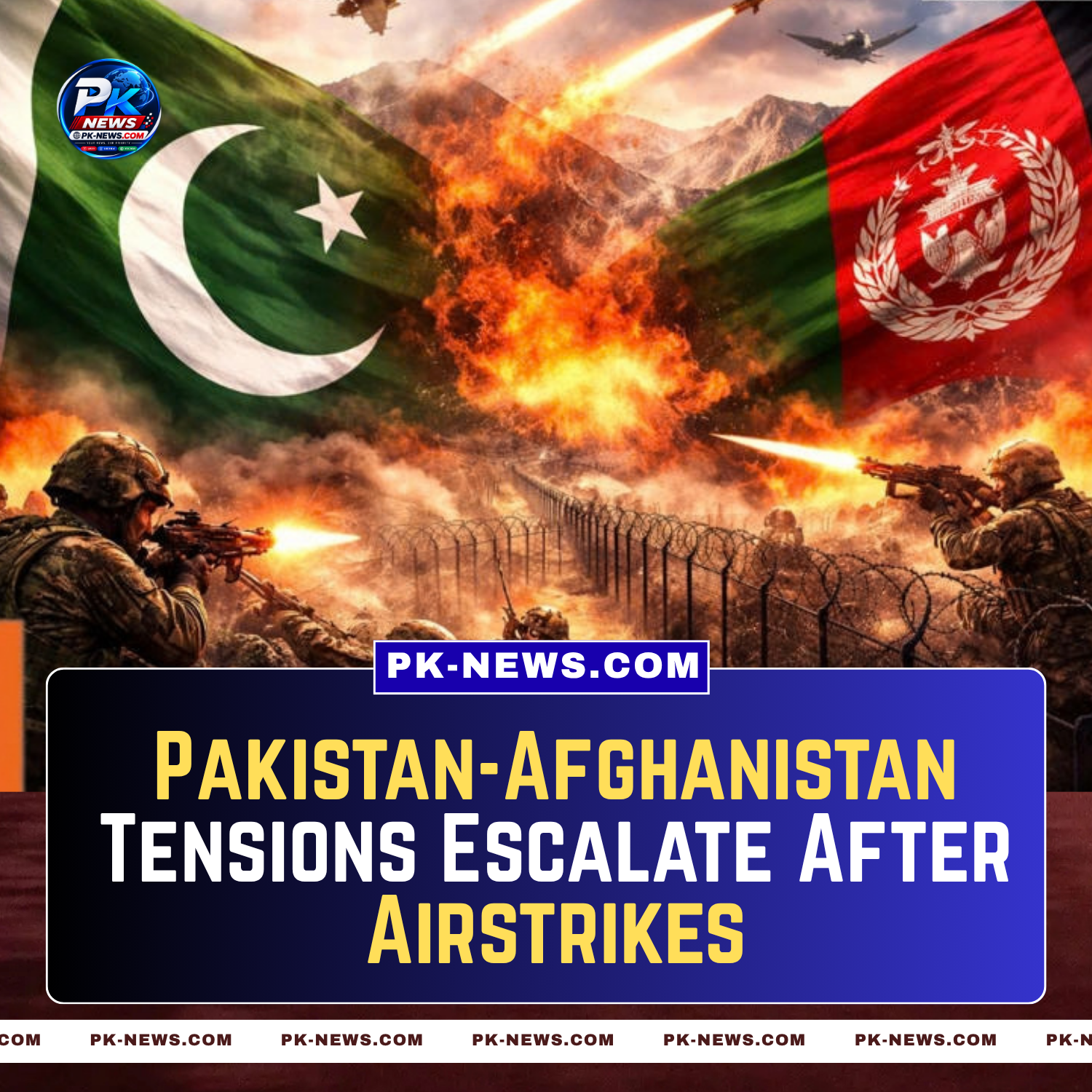
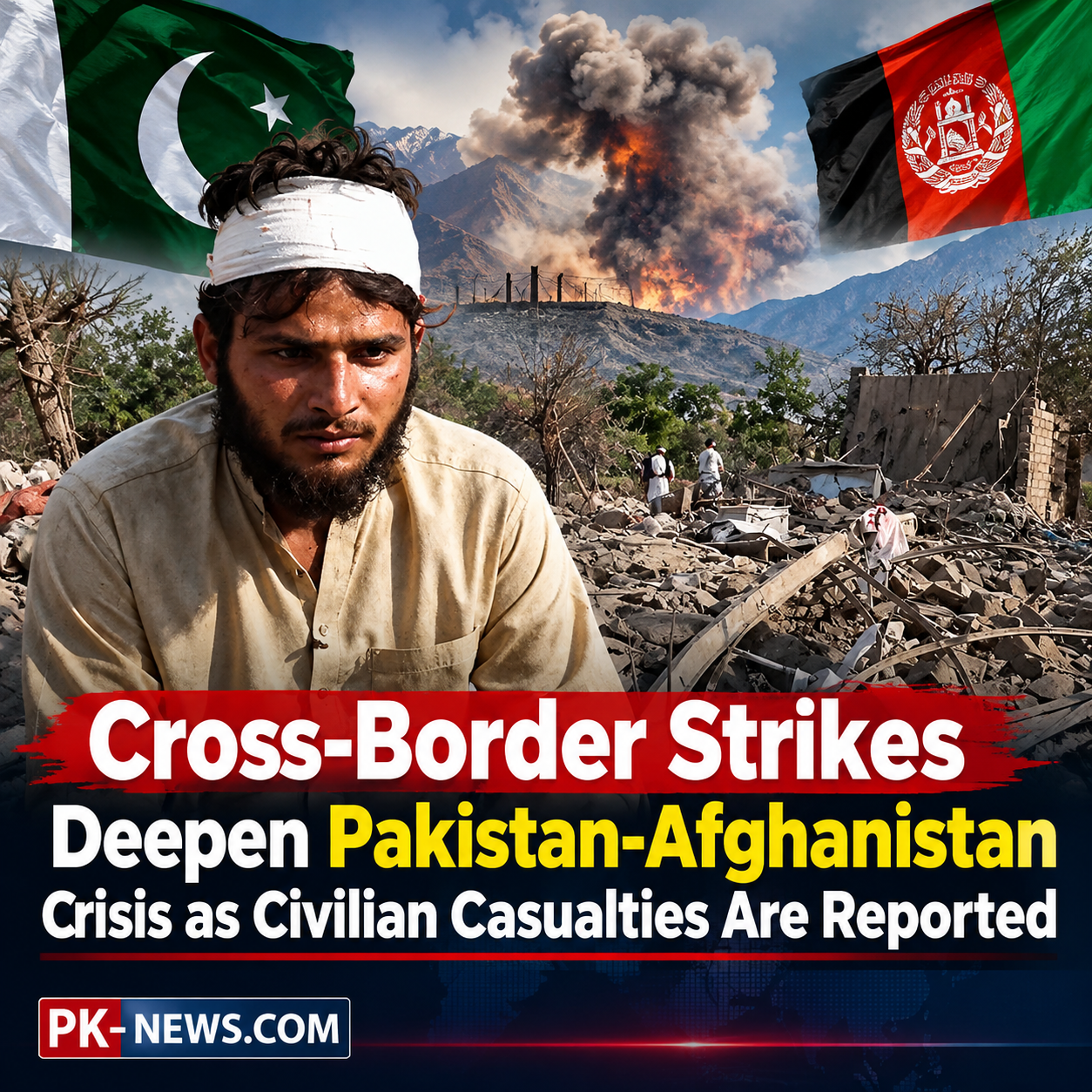
Tensions between Pakistan and Afghanistan have sharply escalated after Pakistan carried out air and drone strikes at 10 locations inside Afghanistan, which Islamabad said were being used to launch and store drones involved in attacks against Pakistan. Afghan authorities disputed Pakistan’s account, reporting civilian casualties and warning of a response. On September 25, Pakistani security sources also said Afghan Taliban fighters attempted to enter Pakistani territory in the Gulistan sector of Balochistan and were repelled. The latest developments have raised concerns about another prolonged period of cross-border confrontation.
Border tensions enter a new phase
Pakistan-Afghanistan relations have entered another period of serious tension after several days of military activity along and across the two countries' shared border.
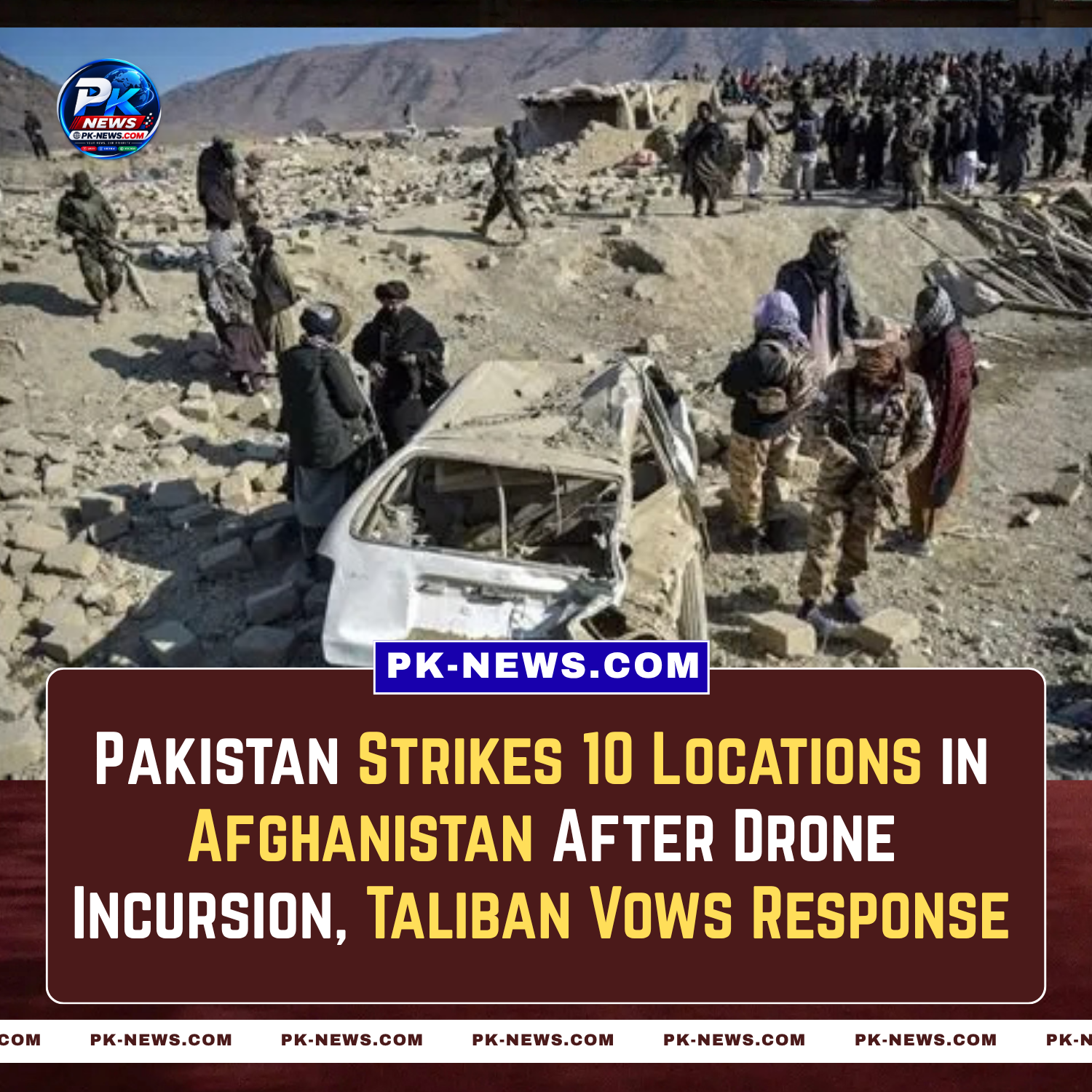
The latest escalation follows Pakistani air and drone strikes on September 24 against 10 locations inside Afghanistan. Pakistan said the locations were being used to launch and store drones that had been involved in attacks against Pakistani territory.
Information Minister Attaullah Tarar said the strikes were carried out in what Pakistan described as its sovereign right to self-defence and said the targets were military objectives directly connected to attacks against Pakistan.
Afghan Taliban authorities rejected Pakistan's justification and reported civilian deaths from the strikes.
The situation subsequently developed further along the border, with Pakistani officials reporting an attempted incursion in Balochistan's Gulistan sector.
Pakistan reports attempted border incursion
On September 25, Pakistani security sources said Afghan Taliban fighters attempted to enter Pakistani territory in the Gulistan sector of Balochistan.
According to Pakistan's state broadcaster and security sources, Pakistani forces responded and killed multiple Afghan Taliban fighters. The sources said intermittent firing continued in the area and that Pakistani troops remained on high alert.
Reuters also reported that Pakistan said it had thwarted an attempted Afghan attack in the Gulistan border area. According to the report, Pakistani security sources described the action as retaliation for an attempt to enter Pakistani territory and commit aggression.
The Afghan Taliban had not immediately commented on the Pakistani allegations at the time of the Reuters report.
This means the details of the reported attempted incursion remain based primarily on Pakistani security sources.
Why Pakistan launched the latest strikes
Pakistan says the immediate trigger for the September 24 operation was the entry of drones from Afghanistan into Pakistani airspace.
According to Pakistani officials, eight drones launched from Afghanistan entered Pakistani airspace near Torkham and Kohat on September 23. Pakistani forces said the drones were intercepted.
Following the reported drone incident, Pakistan announced air and drone strikes against 10 locations in Afghanistan.
Information Minister Attaullah Tarar described the operation as deliberate, precise and limited to military objectives that Pakistan said were directly linked to attacks against the country.
Pakistan has repeatedly accused militant groups operating from Afghanistan of carrying out attacks inside Pakistan.
Islamabad has particularly focused on the Tehrik-e-Taliban Pakistan, commonly known as the TTP.
Afghanistan's Taliban government has repeatedly rejected accusations that it provides sanctuary for militants conducting attacks against Pakistan.
Afghanistan reports civilian casualties
The Afghan side has presented a different account of the September 24 strikes.
Afghan Taliban spokesman Zabihullah Mujahid said the strikes hit areas in Kandahar, Paktia and Khost provinces.
Afghan officials reported that at least four people were killed.
The Independent, citing Afghan officials and international reporting, reported that the Taliban government said the strikes caused civilian deaths and promised an "appropriate response."
Pakistan has disputed the characterization of its operation as an attack on civilians, saying that its strikes were directed at military objectives associated with drone operations.
The competing accounts underline the difficulty of independently establishing the full circumstances and casualty figures immediately after cross-border strikes.
Earlier September strikes also increased tensions
The latest confrontation did not begin on September 24.
Pakistan had already conducted airstrikes inside Afghanistan on September 21 following a series of attacks in Khyber Pakhtunkhwa.
Pakistan said those strikes targeted militant hideouts and safe havens and claimed that 28 militants were killed.
Afghan authorities, however, reported civilian deaths.
The Associated Press reported that Afghan authorities said at least three civilians were killed and four injured in the September 21 strikes. The UN Mission in Afghanistan also confirmed civilian casualties and called for respect for international humanitarian law.
The September 21 operation therefore represented an earlier stage of the latest escalation.
Four days later, the September 24 strikes expanded the confrontation again.
Deadly attacks inside Pakistan
Pakistan's decision to intensify military action across the border has come after a series of deadly attacks inside the country.
One of the most serious recent incidents occurred in Kohat, Khyber Pakhtunkhwa.
According to the Associated Press, a coordinated attack involving a suicide bomber and armed militants struck a police compound on September 18.
The attack killed 21 people and wounded more than 100, according to Pakistani officials cited by AP.
The attackers targeted a compound containing police and counterterrorism facilities. Pakistani authorities subsequently linked the wider security threat to militants believed to have connections with Afghanistan.
Pakistan has argued that the increasing attacks justify stronger action against militant infrastructure across the border.
Afghanistan, however, rejects the accusation that it is responsible for attacks originating from its territory.
A long-running dispute over militant sanctuaries
At the heart of the Pakistan-Afghanistan dispute is the question of militant sanctuaries.
Islamabad says militant organisations, particularly the TTP, operate from Afghan territory and use bases there to plan attacks against Pakistan.
Kabul has consistently denied the allegations.
The Taliban government has instead argued that Pakistan's security problems are an internal matter and has rejected claims that Afghan territory is being deliberately used for attacks against Pakistan.
The dispute has become increasingly difficult to resolve because each new attack or military operation generates another round of accusations.
Risk of further escalation
The latest developments raise concerns about whether the confrontation could expand.
Reuters reported that tensions between Pakistan and Afghanistan had resurfaced after approximately three months of relative calm. The two countries had already experienced severe fighting earlier in the year.
Pakistan's latest strikes and the reported border clash create the possibility of further retaliatory action.
At the same time, neither side has indicated that it wants an uncontrolled conflict.
Regional countries have previously attempted to encourage dialogue between Islamabad and Kabul, including efforts involving China, Türkiye, Qatar and Saudi Arabia.
The continuation of military exchanges could make such diplomatic efforts more difficult.
What could happen next?
The next several days will be important for determining whether the latest escalation remains limited or develops into a broader confrontation.
Several developments will be closely watched.
First, Pakistan could respond to any further cross-border attack or alleged militant activity.
Second, Afghanistan could decide whether to retaliate militarily or pursue diplomatic channels.
Third, regional countries may increase diplomatic efforts to prevent further escalation.
Fourth, the security situation along the long Pakistan-Afghanistan border could determine whether additional troops and military equipment are deployed.
The situation could also affect civilians living near the border, where fighting and restrictions can disrupt movement, trade and everyday life.
Pakistan's position
Pakistan's government has made clear that it considers attacks originating from Afghan territory a serious national-security threat.
Information Minister Attaullah Tarar warned that Pakistan would not accept attacks from Afghan territory and said further violations of Pakistani sovereignty would receive a response.
For Islamabad, the central issue is therefore not simply the border itself but the alleged presence and activity of militant groups on the Afghan side.
Afghanistan's position
The Taliban government maintains that Pakistan's allegations are unfounded.
Afghan officials have condemned Pakistani airstrikes as violations of Afghan sovereignty and have disputed Pakistani claims regarding militant targets.
The Afghan government has also warned that it could respond to further attacks.
This opposing position means there is currently no clear agreement between the two governments over the source of the violence or how it should be addressed.
A critical moment for both countries
Pakistan and Afghanistan are once again facing a serious security crisis.
The September 24 airstrikes, the reported September 25 border confrontation and the earlier September 21 operation show how quickly tensions have intensified after a period of relative calm.
Pakistan says it is acting in self-defence against attacks and militant threats.
Afghanistan says Pakistani military operations violate its sovereignty and have caused civilian casualties.
With both sides maintaining fundamentally different accounts, the immediate priority for regional stability will be preventing further escalation and protecting civilians.
The coming days could determine whether the latest confrontation remains a series of limited border incidents or develops into another sustained period of Pakistan-Afghanistan hostilities.
PK-News.com will continue monitoring the Pakistan-Afghanistan border situation, official statements from Islamabad and Kabul, and any new military or diplomatic developments.
2
NEW
War
😔 Negative
Pakistan-Afghanistan Tensions Escalate After Airstrikes as Border Fighting Intensifies
Related Articles You May Like
Related News





Comments (0)
Leave a Comment
No comments yet. Be the first to comment!