BREAKING
Advertisement

Recent Category Articles

Latest Category News

Shehbaz Sharif Warns at UN That Any Diversion of Pakistan’s Indus Waters Would Be Treated as an Act of War
13
Politics PK Live News 😔 Negative
Shehbaz Sharif Warns at UN That Any Diversion of Pakistan’s Indus Waters Would Be Treated as an Act of War
Pakistan Prime Minister Shehbaz Sharif has issued a strong warning at the 81st United Nations General Assembly, saying any attempt to stop, impede or divert Pakistan’s share of the Indus River waters would be treated by Pakistan as an “act of war.” His remarks came amid continuing disagreement between Islamabad and New Delhi over the Indus Waters Treaty, while India maintains its own position on the treaty and links its continued suspension to concerns over cross-border terrorism. According to PK-News.com | September 26, 2026 Pakistan-India tensions over the Indus river system have once again moved into the international spotlight after Prime Minister Shehbaz Sharif delivered a strongly worded warning during his address to the United Nations General Assembly in New York. Speaking at the 81st session of the UNGA on September 25, Sharif said Pakistan would regard any attempt to stop, impede or divert its share of the waters of the Indus River system as an “act of war.” The statement has placed the long-running dispute over the Indus Waters Treaty (IWT) at the centre of renewed diplomatic tensions between the two nuclear-armed neighbours. Sharif's Warning at the United Nations During his address, Sharif described the Indus river system as vital not only for Pakistan but for the wider region. He said water should not be used as an instrument of political pressure and argued that rivers should serve the people of the region rather than become another source of confrontation. The Pakistani prime minister specifically objected to India's decision to place the Indus Waters Treaty in abeyance. Sharif said Pakistan considered the Indian decision to have no legal basis and argued that the treaty remained valid and binding. His remarks represent one of the strongest recent public statements from Pakistan concerning the future of the Indus river system. What Is the Indus Waters Treaty? The Indus Waters Treaty was signed by India and Pakistan in 1960 with the World Bank playing a role in facilitating the agreement. The treaty established a framework for managing the waters of the Indus river system. Broadly, the agreement allocated the eastern rivers — Ravi, Beas and Sutlej — for India's unrestricted use, while the western rivers — Indus, Jhelum and Chenab — were primarily allocated to Pakistan, subject to provisions allowing India certain uses. For Pakistan, the western rivers are particularly important because the country's agriculture, water supply and wider economy depend heavily on the Indus basin. The treaty has survived several major periods of tension between India and Pakistan, making the current dispute particularly significant. Why the Treaty Is in Dispute India placed the treaty in abeyance in April 2025 following the Pahalgam attack that killed 26 people. New Delhi has maintained that the suspension will remain in place until Pakistan credibly and irrevocably ends its support for cross-border terrorism. India has also challenged the jurisdiction of an arbitration process established under the treaty. Pakistan rejects India's position and has continued to maintain that the treaty remains legally valid. Sharif reiterated that position during his UN speech. The disagreement therefore involves both water management and broader security and diplomatic disputes between the two countries. India Responds to Pakistan's Position India has rejected Pakistan's framing of the dispute. Indian officials have linked the treaty issue to terrorism concerns and have warned Pakistan against what New Delhi describes as support for cross-border militant activity. Following Sharif's UN address, Indian officials again criticized Pakistan's statements concerning terrorism and regional security. Indian Express reported that India warned Pakistan of “consequences” in response to the Pakistani government's statements, while presenting its own allegations concerning terrorism and violence. Those claims are disputed by Pakistan. The competing positions demonstrate that the water dispute cannot easily be separated from the wider political and security relationship between the two countries. Why the Issue Matters to Pakistan The Indus basin is fundamental to Pakistan's water and agricultural systems. Any major disruption to water availability could potentially have consequences for agriculture, food production, electricity generation and communities dependent on river and irrigation systems. That is why Pakistani officials have repeatedly described the treaty as an important international commitment. For Islamabad, the concern is not simply about diplomacy. The government considers the continued flow of the western rivers to be directly connected with Pakistan's economic and agricultural security. At the same time, claims about future water diversion should be distinguished from confirmed changes in river flows. Sharif's warning at the UN was a statement about how Pakistan says it would respond to an attempt to divert its share of the water. It does not itself establish that such a diversion is currently taking place. The Diplomatic Dimension Sharif used his UN speech to discuss several other major regional issues, including Kashmir, Gaza, Afghanistan and tensions involving Saudi Arabia and the wider Middle East. Pakistan Radio reported that he also discussed the importance of keeping the Strait of Hormuz and Bab al-Mandab open because of their importance to global trade. He further discussed Pakistan's defence relationship with Saudi Arabia and Türkiye. However, his remarks on the Indus waters received particular attention because of the direct warning directed toward India. The statement also comes amid continued diplomatic efforts to manage tensions between Islamabad and New Delhi. Kashmir and the 2025 India-Pakistan Conflict During the same UN address, Sharif again raised the Kashmir dispute and Pakistan's position regarding the status and political future of the territory. He also revisited the 2025 military confrontation between India and Pakistan and credited U.S. President Donald Trump with helping prevent a wider conflict. India has disputed Pakistan's account of the events surrounding the 2025 ceasefire and has rejected the suggestion that a third party brokered the cessation of hostilities. These disagreements show that the water dispute is taking place against a much broader background of unresolved political and security issues. What Could Happen Next? The immediate future of the Indus Waters Treaty remains uncertain. Pakistan is continuing to insist that the treaty remains legally binding, while India maintains that it has placed the agreement in abeyance and has connected the issue with its security concerns. The next phase is likely to involve continued diplomatic statements, legal arguments and international attention. Any major change in water management could also attract significant attention from international institutions because the treaty has historically provided a mechanism for managing shared river resources between the two countries. For now, there is no basis to describe Sharif's UN warning itself as evidence that a new India-Pakistan conflict has begun. It is a diplomatic and political warning concerning a potential future action. Why the UN Speech Is Important The United Nations General Assembly provides one of the highest-profile international platforms available to national leaders. By raising the Indus Waters Treaty there, Sharif placed Pakistan's position before a global audience and sought international attention for Islamabad's concerns. India, meanwhile, continues to present its own position and connect the treaty dispute to terrorism and broader security concerns. The competing narratives mean that international observers will likely continue monitoring developments involving the treaty, river flows, infrastructure projects and diplomatic engagement between the two countries. Conclusion Prime Minister Shehbaz Sharif's latest UN warning has brought the India-Pakistan water dispute back into the global spotlight. Pakistan says any attempt to stop, impede or divert its share of the Indus waters would be treated as an “act of war.” India maintains a different position, including its stated reasons for placing the Indus Waters Treaty in abeyance and its demands concerning cross-border terrorism. The disagreement remains unresolved, and the practical consequences will depend on what actions both governments take in the coming months. For Pakistan, the Indus river system remains central to agriculture, water security and the economy. For India, the treaty dispute is connected to broader security concerns. As Islamabad and New Delhi continue to exchange diplomatic positions, the Indus Waters Treaty is likely to remain one of the most sensitive issues in relations between the two countries. PK-News.com will continue monitoring official statements, diplomatic developments and verified updates concerning the Indus Waters Treaty and Pakistan-India relations.
Sep 26, 2026 at 9:27 PM
Pakistan Prime Minister Shehbaz Sharif has issued a strong warning at the 81st United Nations General Assembly, saying any attempt to stop, impede or divert Pakistan’s share of the Indus River waters would be treated by Pakistan as an “act of war.” His remarks came amid continuing disagreement between Islamabad and New Delhi over the Indus Waters Treaty, while India maintains its own position on the treaty and links its continued suspension to concerns over cross-border terrorism. According to PK-News.com | September 26, 2026 Pakistan-India tensions over the Indus river system have once again moved into the international spotlight after Prime Minister Shehbaz Sharif delivered a strongly worded warning during his address to the United Nations General Assembly in New York. Speaking at the 81st session of the UNGA on September 25, Sharif said Pakistan would regard any attempt to stop, impede or divert its share of the waters of the Indus River system as an “act of war.” The statement has placed the long-running dispute over the Indus Waters Treaty (IWT) at the centre of renewed diplomatic tensions between the two nuclear-armed neighbours. Sharif's Warning at the United Nations During his address, Sharif described the Indus river system as vital not only for Pakistan but for the wider region. He said water should not be used as an instrument of political pressure and argued that rivers should serve the people of the region rather than become another source of confrontation. The Pakistani prime minister specifically objected to India's decision to place the Indus Waters Treaty in abeyance. Sharif said Pakistan considered the Indian decision to have no legal basis and argued that the treaty remained valid and binding. His remarks represent one of the strongest recent public statements from Pakistan concerning the future of the Indus river system. What Is the Indus Waters Treaty? The Indus Waters Treaty was signed by India and Pakistan in 1960 with the World Bank playing a role in facilitating the agreement. The treaty established a framework for managing the waters of the Indus river system. Broadly, the agreement allocated the eastern rivers — Ravi, Beas and Sutlej — for India's unrestricted use, while the western rivers — Indus, Jhelum and Chenab — were primarily allocated to Pakistan, subject to provisions allowing India certain uses. For Pakistan, the western rivers are particularly important because the country's agriculture, water supply and wider economy depend heavily on the Indus basin. The treaty has survived several major periods of tension between India and Pakistan, making the current dispute particularly significant. Why the Treaty Is in Dispute India placed the treaty in abeyance in April 2025 following the Pahalgam attack that killed 26 people. New Delhi has maintained that the suspension will remain in place until Pakistan credibly and irrevocably ends its support for cross-border terrorism. India has also challenged the jurisdiction of an arbitration process established under the treaty. Pakistan rejects India's position and has continued to maintain that the treaty remains legally valid. Sharif reiterated that position during his UN speech. The disagreement therefore involves both water management and broader security and diplomatic disputes between the two countries. India Responds to Pakistan's Position India has rejected Pakistan's framing of the dispute. Indian officials have linked the treaty issue to terrorism concerns and have warned Pakistan against what New Delhi describes as support for cross-border militant activity. Following Sharif's UN address, Indian officials again criticized Pakistan's statements concerning terrorism and regional security. Indian Express reported that India warned Pakistan of “consequences” in response to the Pakistani government's statements, while presenting its own allegations concerning terrorism and violence. Those claims are disputed by Pakistan. The competing positions demonstrate that the water dispute cannot easily be separated from the wider political and security relationship between the two countries. Why the Issue Matters to Pakistan The Indus basin is fundamental to Pakistan's water and agricultural systems. Any major disruption to water availability could potentially have consequences for agriculture, food production, electricity generation and communities dependent on river and irrigation systems. That is why Pakistani officials have repeatedly described the treaty as an important international commitment. For Islamabad, the concern is not simply about diplomacy. The government considers the continued flow of the western rivers to be directly connected with Pakistan's economic and agricultural security. At the same time, claims about future water diversion should be distinguished from confirmed changes in river flows. Sharif's warning at the UN was a statement about how Pakistan says it would respond to an attempt to divert its share of the water. It does not itself establish that such a diversion is currently taking place. The Diplomatic Dimension Sharif used his UN speech to discuss several other major regional issues, including Kashmir, Gaza, Afghanistan and tensions involving Saudi Arabia and the wider Middle East. Pakistan Radio reported that he also discussed the importance of keeping the Strait of Hormuz and Bab al-Mandab open because of their importance to global trade. He further discussed Pakistan's defence relationship with Saudi Arabia and Türkiye. However, his remarks on the Indus waters received particular attention because of the direct warning directed toward India. The statement also comes amid continued diplomatic efforts to manage tensions between Islamabad and New Delhi. Kashmir and the 2025 India-Pakistan Conflict During the same UN address, Sharif again raised the Kashmir dispute and Pakistan's position regarding the status and political future of the territory. He also revisited the 2025 military confrontation between India and Pakistan and credited U.S. President Donald Trump with helping prevent a wider conflict. India has disputed Pakistan's account of the events surrounding the 2025 ceasefire and has rejected the suggestion that a third party brokered the cessation of hostilities. These disagreements show that the water dispute is taking place against a much broader background of unresolved political and security issues. What Could Happen Next? The immediate future of the Indus Waters Treaty remains uncertain. Pakistan is continuing to insist that the treaty remains legally binding, while India maintains that it has placed the agreement in abeyance and has connected the issue with its security concerns. The next phase is likely to involve continued diplomatic statements, legal arguments and international attention. Any major change in water management could also attract significant attention from international institutions because the treaty has historically provided a mechanism for managing shared river resources between the two countries. For now, there is no basis to describe Sharif's UN warning itself as evidence that a new India-Pakistan conflict has begun. It is a diplomatic and political warning concerning a potential future action. Why the UN Speech Is Important The United Nations General Assembly provides one of the highest-profile international platforms available to national leaders. By raising the Indus Waters Treaty there, Sharif placed Pakistan's position before a global audience and sought international attention for Islamabad's concerns. India, meanwhile, continues to present its own position and connect the treaty dispute to terrorism and broader security concerns. The competing narratives mean that international observers will likely continue monitoring developments involving the treaty, river flows, infrastructure projects and diplomatic engagement between the two countries. Conclusion Prime Minister Shehbaz Sharif's latest UN warning has brought the India-Pakistan water dispute back into the global spotlight. Pakistan says any attempt to stop, impede or divert its share of the Indus waters would be treated as an “act of war.” India maintains a different position, including its stated reasons for placing the Indus Waters Treaty in abeyance and its demands concerning cross-border terrorism. The disagreement remains unresolved, and the practical consequences will depend on what actions both governments take in the coming months. For Pakistan, the Indus river system remains central to agriculture, water security and the economy. For India, the treaty dispute is connected to broader security concerns. As Islamabad and New Delhi continue to exchange diplomatic positions, the Indus Waters Treaty is likely to remain one of the most sensitive issues in relations between the two countries. PK-News.com will continue monitoring official statements, diplomatic developments and verified updates concerning the Indus Waters Treaty and Pakistan-India relations.
PTI Protest Delay Could Prolong Islamabad Security Measures and Push Costs Beyond Rs1 Billion
13
Politics PK Live News 😐 Neutral
PTI Protest Delay Could Prolong Islamabad Security Measures and Push Costs Beyond Rs1 Billion
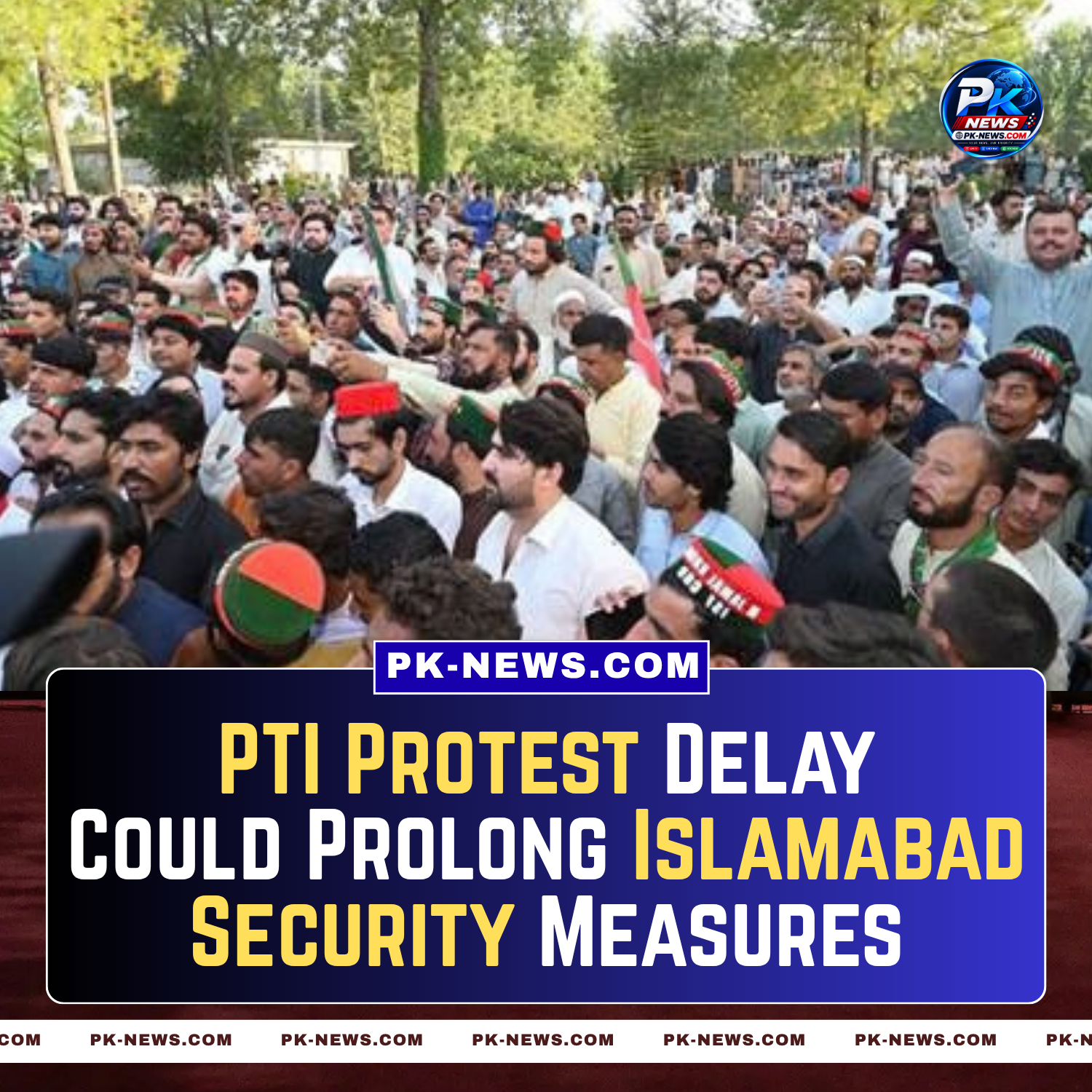
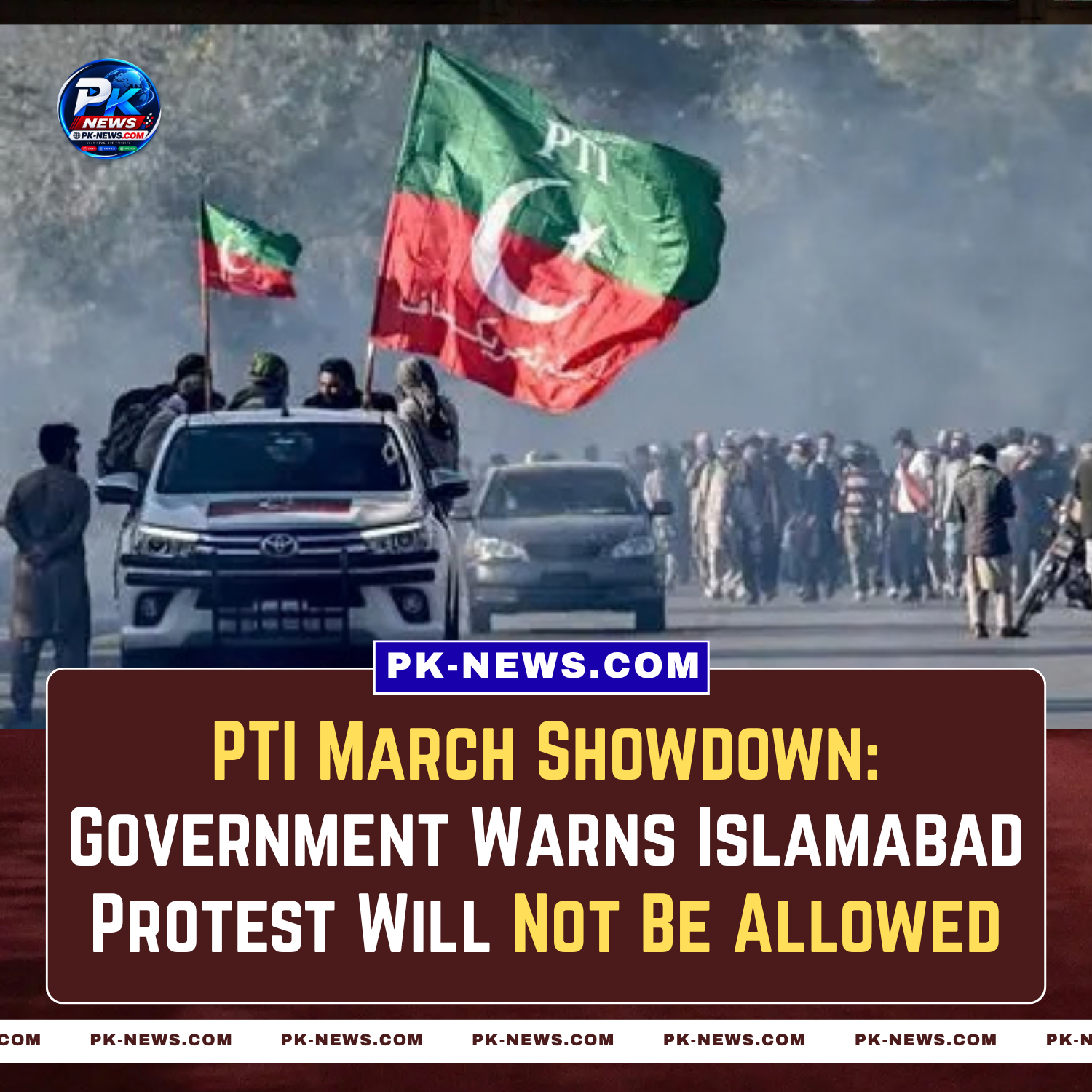
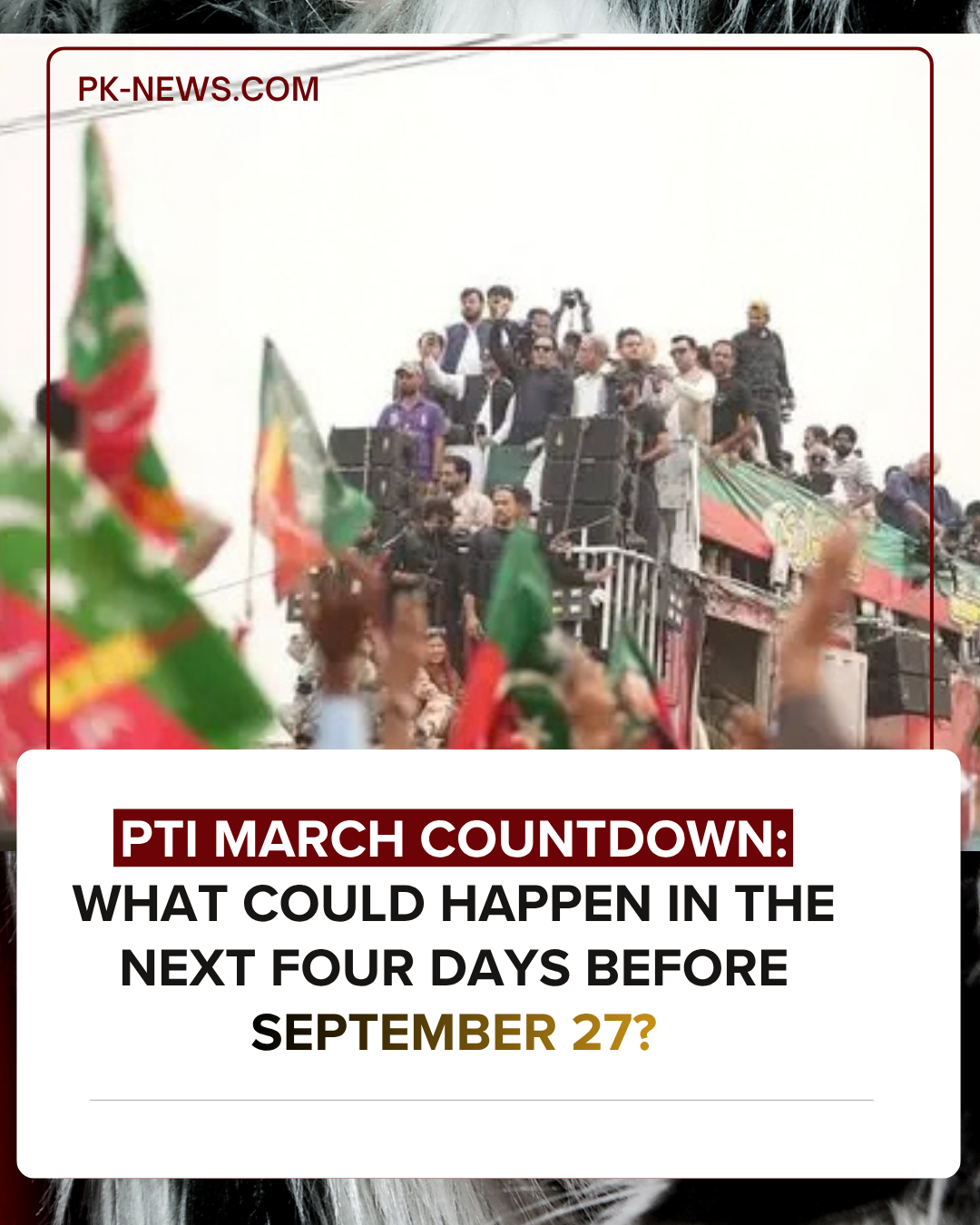
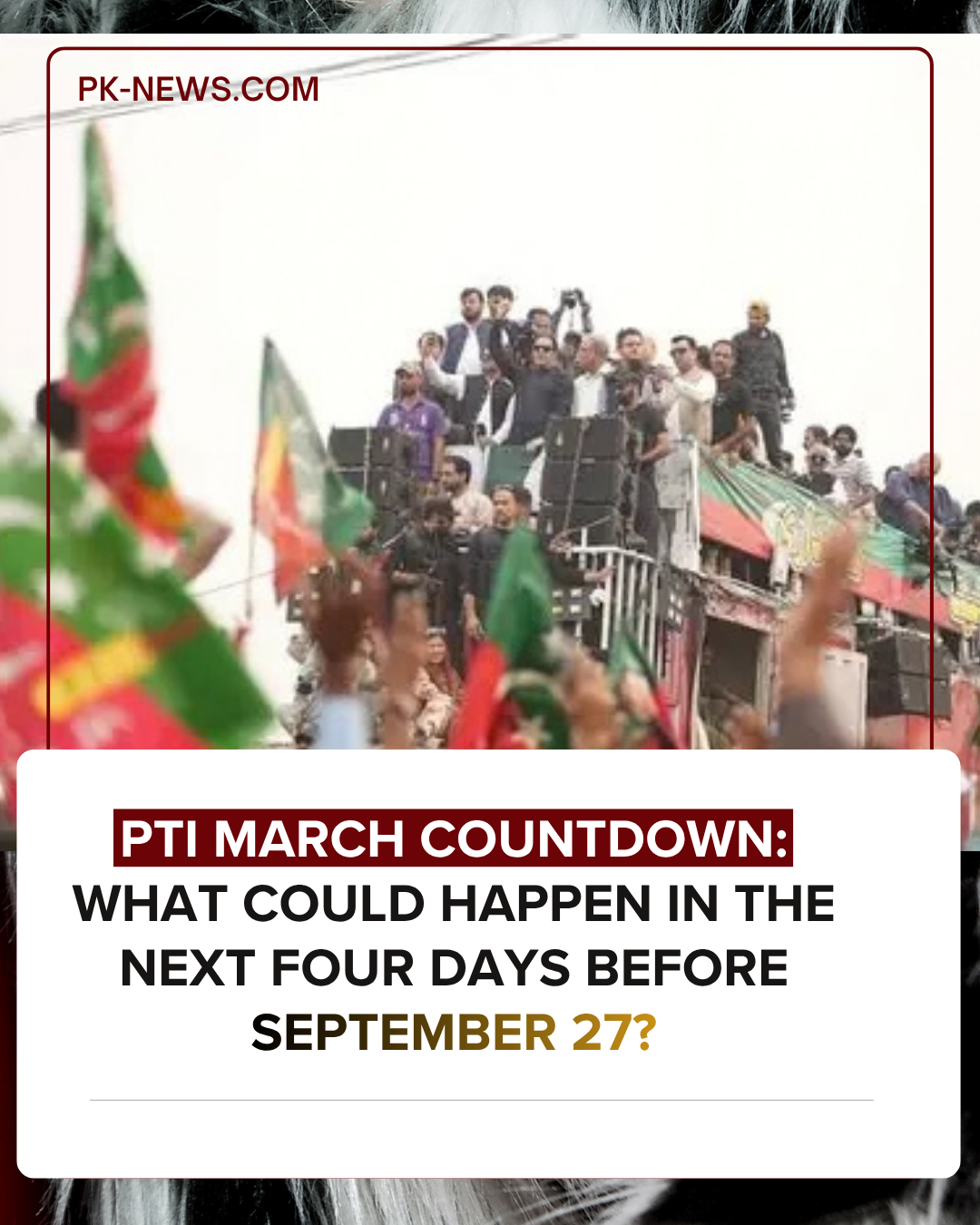
Pakistan Tehreek-e-Insaf (PTI) has postponed its planned Islamabad long march from September 27 to October 4. The one-week delay comes after extensive security preparations, including the deployment of security personnel and placement of containers at key routes. The postponement could prolong restrictions and increase the financial cost of the security operation. PTI March Postponed as Islamabad Remains Under Heightened Security ISLAMABAD — September 26, 2026: Pakistan's political landscape remains tense after Pakistan Tehreek-e-Insaf (PTI) postponed its planned long march toward Islamabad by one week. The march, which had originally been scheduled to begin on September 27, will now start from Peshawar on October 4, according to Khyber Pakhtunkhwa Chief Minister Sohail Afridi. He announced the revised schedule after a meeting of the PTI political committee. The development has created a new situation for authorities, who had already implemented extensive security measures in anticipation of the September 27 demonstration. Why Was the March Postponed? PTI had been preparing for a large political mobilisation aimed at Islamabad, with the party linking the protest to its demands concerning the release of its founder, former prime minister Imran Khan, as well as broader political and constitutional issues. Chief Minister Sohail Afridi said the PTI political committee unanimously agreed to move the march to October 4. He said the party would continue with its stated objectives, including what he described as the supremacy of the Constitution and law, judicial independence, media freedom, democracy and Imran Khan's release. Reuters reported that PTI spokesperson Zulfi Bukhari also indicated the party could potentially launch the march earlier than October 4, although October 4 remains the announced date. The postponement therefore does not represent an end to the planned protest. Instead, it gives the party and authorities another period of several days during which the political and security situation could change. Islamabad Had Already Seen Major Security Preparations Before the postponement, authorities had taken significant measures to restrict access to Islamabad. Major roads and highways were affected by security arrangements, while shipping containers were positioned at different locations to restrict movement toward the capital. Reuters reported that Pakistan had blocked major highways and deployed large numbers of security personnel ahead of the planned protest. Dawn previously reported that Rangers had been authorised for deployment in Islamabad and several Punjab districts from September 20 through October 5. These preparations mean that the government's security planning now extends into the period surrounding the new October 4 date. Security Costs Could Exceed Rs1 Billion One of the most significant consequences of the postponement is the potential financial cost of maintaining the security arrangements. According to Dawn, Islamabad police had arranged 1,550 containers, with the government expected to pay approximately Rs46.5 million per day to container owners. Police sources said that extending the arrangements because of the one-week postponement could push the overall cost beyond Rs1 billion. Other expenses include transportation and accommodation for security personnel. Dawn reported that around 70 coasters and 30 double-cabin vehicles had been arranged, while food costs for Punjab police personnel were also expected to add substantially to the total expenditure. The financial impact could therefore continue even though the original September 27 protest date has passed without the planned march taking place. What Happens to the Containers? A key question now concerns whether authorities will remove the containers placed around Islamabad and surrounding routes or keep them in position until the new protest date. According to Dawn, police had not yet decided whether the containers would be released or retained. This decision could directly affect commuters, transporters and residents who use the affected routes. If restrictions remain in place, ordinary traffic could continue to experience disruption. If barriers are removed and later reinstated, authorities would have to undertake another major security operation closer to October 4. Political Pressure Continues The postponement comes amid continuing disagreement between PTI and the federal government. PTI says its planned mobilisation is connected to its political demands, including the release of Imran Khan. The government, meanwhile, has emphasised maintaining public order and preventing roads and major transport routes from being blocked. Reuters reported that hundreds of activists had been detained in recent days and that three of Imran Khan's sisters were also detained, with authorities citing public-order concerns. These developments have added to the political tension surrounding the planned demonstration. PTI's New October 4 Plan The new date gives PTI additional time to organise its workers and supporters. Chief Minister Sohail Afridi has said that the march will leave Peshawar on October 4. PTI leaders have continued to present the planned demonstration as a major political mobilisation. The News reported that PTI KP president Junaid Akbar Khan and other PTI parliamentarians were present during Afridi's press briefing when the revised date was announced. At the same time, there have been reports of differences among opposition groups over the postponement. Dawn reported that members of the Tehreek-e-Tahaffuz Ayeen-i-Pakistan alliance were not initially fully aligned with the decision, although they later indicated they would support the October 4 march. What Could Happen Before October 4? The coming days could become important for both sides. First, authorities will have to decide how long existing security restrictions should remain in place. Second, PTI will have to use the additional time to organise its planned mobilisation. Third, the government and opposition could face pressure to engage in political dialogue before the new date. Fourth, the situation surrounding roads, containers and security deployments could change depending on developments in Islamabad, Rawalpindi, Punjab and Khyber Pakhtunkhwa. These are developments to watch rather than confirmed outcomes. A New Week of Political Uncertainty The postponement of the September 27 march has not removed the underlying political dispute. Instead, the focus has shifted to October 4. The government has already invested substantial resources in security preparations, while PTI has announced that it intends to proceed with its revised plan. For Islamabad residents, businesses, transporters and commuters, the immediate issue will be whether road restrictions remain in place or are eased before the new protest date. For the political parties, the next week could provide an opportunity for further negotiations, organisational preparations or additional confrontation. As of September 26, the confirmed position is that PTI's planned long march has been moved from September 27 to October 4, with Sohail Afridi announcing that the march will depart from Peshawar on the new date. According to PK-News.com, the next several days will remain closely watched as authorities review security arrangements and PTI prepares for its revised October 4 mobilisation. PTI Islamabad march, PTI protest October 4, Sohail Afridi latest news, Islamabad security, PTI long march, Imran Khan latest news, Pakistan politics, PTI latest update, Islamabad protest, October 4 PTI march, Peshawar Islamabad march, Islamabad containers, Pakistan political crisis, PTI protest 2026, Pakistan latest news, Sohail Afridi press conference, Islamabad road closures, PTI workers, Imran Khan release, PK News
Sep 26, 2026 at 1:57 PM
Pakistan Tehreek-e-Insaf (PTI) has postponed its planned Islamabad long march from September 27 to October 4. The one-week delay comes after extensive security preparations, including the deployment of security personnel and placement of containers at key routes. The postponement could prolong restrictions and increase the financial cost of the security operation. PTI March Postponed as Islamabad Remains Under Heightened Security ISLAMABAD — September 26, 2026: Pakistan's political landscape remains tense after Pakistan Tehreek-e-Insaf (PTI) postponed its planned long march toward Islamabad by one week. The march, which had originally been scheduled to begin on September 27, will now start from Peshawar on October 4, according to Khyber Pakhtunkhwa Chief Minister Sohail Afridi. He announced the revised schedule after a meeting of the PTI political committee. The development has created a new situation for authorities, who had already implemented extensive security measures in anticipation of the September 27 demonstration. Why Was the March Postponed? PTI had been preparing for a large political mobilisation aimed at Islamabad, with the party linking the protest to its demands concerning the release of its founder, former prime minister Imran Khan, as well as broader political and constitutional issues. Chief Minister Sohail Afridi said the PTI political committee unanimously agreed to move the march to October 4. He said the party would continue with its stated objectives, including what he described as the supremacy of the Constitution and law, judicial independence, media freedom, democracy and Imran Khan's release. Reuters reported that PTI spokesperson Zulfi Bukhari also indicated the party could potentially launch the march earlier than October 4, although October 4 remains the announced date. The postponement therefore does not represent an end to the planned protest. Instead, it gives the party and authorities another period of several days during which the political and security situation could change. Islamabad Had Already Seen Major Security Preparations Before the postponement, authorities had taken significant measures to restrict access to Islamabad. Major roads and highways were affected by security arrangements, while shipping containers were positioned at different locations to restrict movement toward the capital. Reuters reported that Pakistan had blocked major highways and deployed large numbers of security personnel ahead of the planned protest. Dawn previously reported that Rangers had been authorised for deployment in Islamabad and several Punjab districts from September 20 through October 5. These preparations mean that the government's security planning now extends into the period surrounding the new October 4 date. Security Costs Could Exceed Rs1 Billion One of the most significant consequences of the postponement is the potential financial cost of maintaining the security arrangements. According to Dawn, Islamabad police had arranged 1,550 containers, with the government expected to pay approximately Rs46.5 million per day to container owners. Police sources said that extending the arrangements because of the one-week postponement could push the overall cost beyond Rs1 billion. Other expenses include transportation and accommodation for security personnel. Dawn reported that around 70 coasters and 30 double-cabin vehicles had been arranged, while food costs for Punjab police personnel were also expected to add substantially to the total expenditure. The financial impact could therefore continue even though the original September 27 protest date has passed without the planned march taking place. What Happens to the Containers? A key question now concerns whether authorities will remove the containers placed around Islamabad and surrounding routes or keep them in position until the new protest date. According to Dawn, police had not yet decided whether the containers would be released or retained. This decision could directly affect commuters, transporters and residents who use the affected routes. If restrictions remain in place, ordinary traffic could continue to experience disruption. If barriers are removed and later reinstated, authorities would have to undertake another major security operation closer to October 4. Political Pressure Continues The postponement comes amid continuing disagreement between PTI and the federal government. PTI says its planned mobilisation is connected to its political demands, including the release of Imran Khan. The government, meanwhile, has emphasised maintaining public order and preventing roads and major transport routes from being blocked. Reuters reported that hundreds of activists had been detained in recent days and that three of Imran Khan's sisters were also detained, with authorities citing public-order concerns. These developments have added to the political tension surrounding the planned demonstration. PTI's New October 4 Plan The new date gives PTI additional time to organise its workers and supporters. Chief Minister Sohail Afridi has said that the march will leave Peshawar on October 4. PTI leaders have continued to present the planned demonstration as a major political mobilisation. The News reported that PTI KP president Junaid Akbar Khan and other PTI parliamentarians were present during Afridi's press briefing when the revised date was announced. At the same time, there have been reports of differences among opposition groups over the postponement. Dawn reported that members of the Tehreek-e-Tahaffuz Ayeen-i-Pakistan alliance were not initially fully aligned with the decision, although they later indicated they would support the October 4 march. What Could Happen Before October 4? The coming days could become important for both sides. First, authorities will have to decide how long existing security restrictions should remain in place. Second, PTI will have to use the additional time to organise its planned mobilisation. Third, the government and opposition could face pressure to engage in political dialogue before the new date. Fourth, the situation surrounding roads, containers and security deployments could change depending on developments in Islamabad, Rawalpindi, Punjab and Khyber Pakhtunkhwa. These are developments to watch rather than confirmed outcomes. A New Week of Political Uncertainty The postponement of the September 27 march has not removed the underlying political dispute. Instead, the focus has shifted to October 4. The government has already invested substantial resources in security preparations, while PTI has announced that it intends to proceed with its revised plan. For Islamabad residents, businesses, transporters and commuters, the immediate issue will be whether road restrictions remain in place or are eased before the new protest date. For the political parties, the next week could provide an opportunity for further negotiations, organisational preparations or additional confrontation. As of September 26, the confirmed position is that PTI's planned long march has been moved from September 27 to October 4, with Sohail Afridi announcing that the march will depart from Peshawar on the new date. According to PK-News.com, the next several days will remain closely watched as authorities review security arrangements and PTI prepares for its revised October 4 mobilisation. PTI Islamabad march, PTI protest October 4, Sohail Afridi latest news, Islamabad security, PTI long march, Imran Khan latest news, Pakistan politics, PTI latest update, Islamabad protest, October 4 PTI march, Peshawar Islamabad march, Islamabad containers, Pakistan political crisis, PTI protest 2026, Pakistan latest news, Sohail Afridi press conference, Islamabad road closures, PTI workers, Imran Khan release, PK News
Sohail Afridi Announces PTI Islamabad March on October 4 After September 27 Plan Is Postponed
200
Politics PK Live News 😊 Positive
Sohail Afridi Announces PTI Islamabad March on October 4 After September 27 Plan Is Postponed
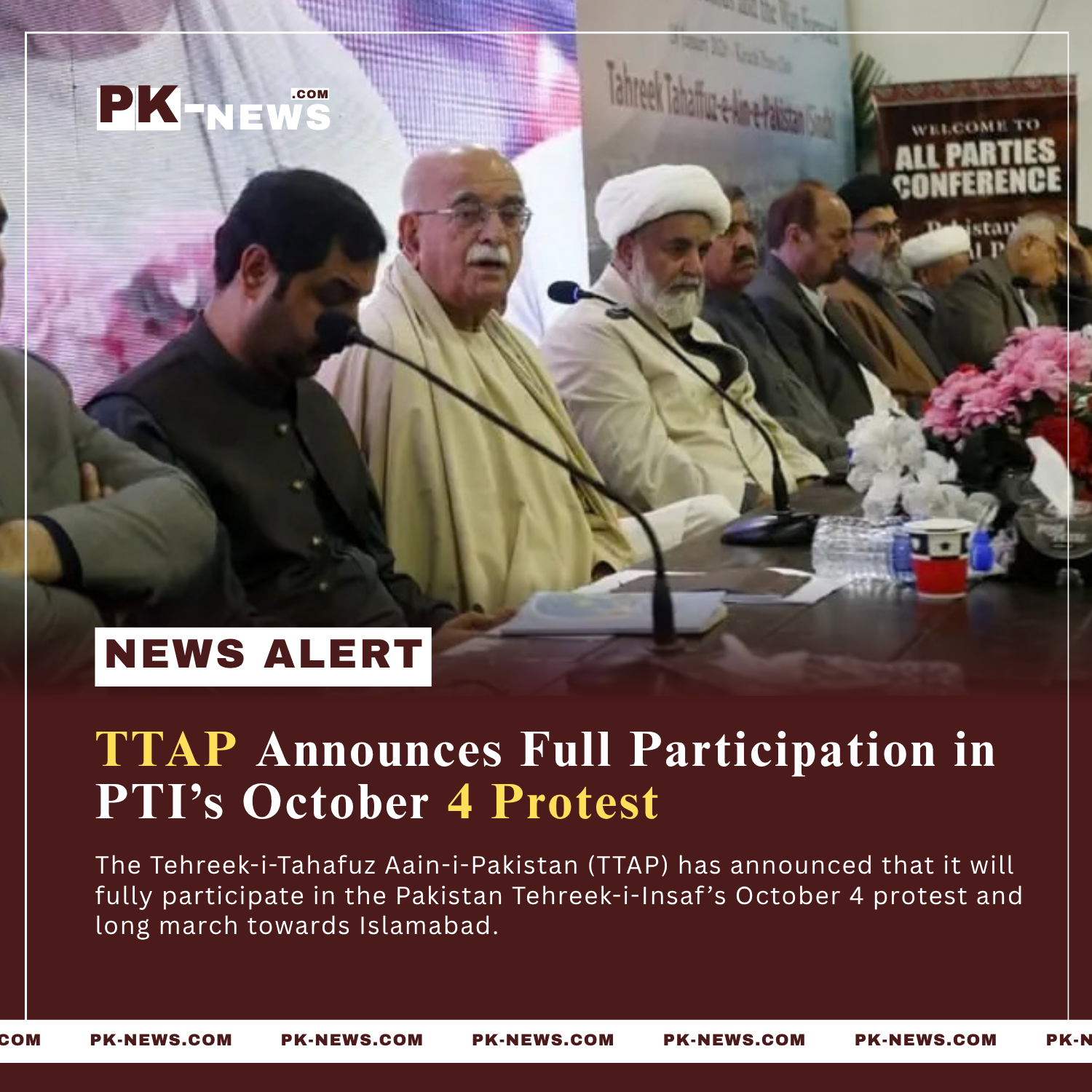
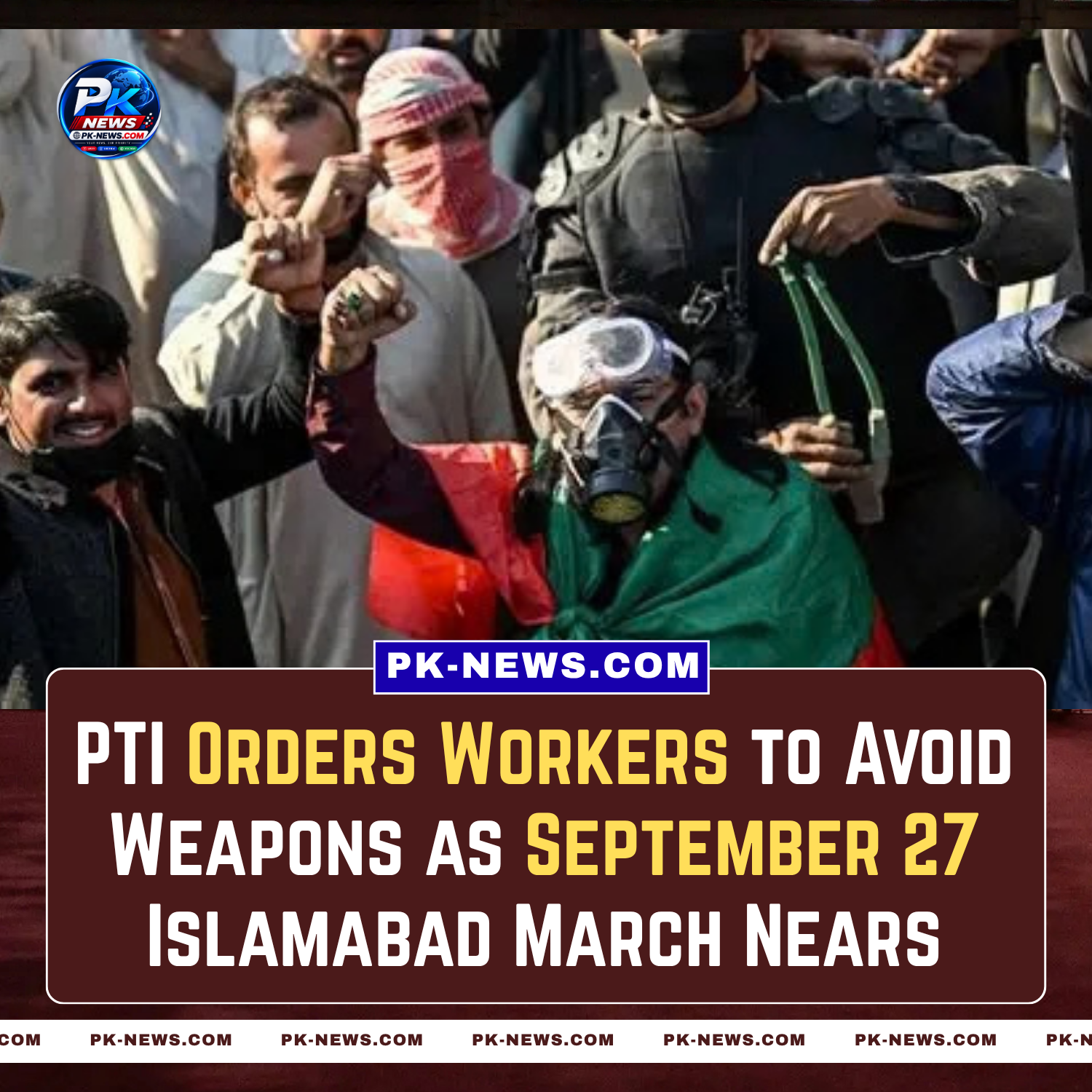
Khyber Pakhtunkhwa Chief Minister Sohail Afridi has announced that Pakistan Tehreek-e-Insaf (PTI) will postpone its planned Islamabad long march from September 27 to October 4. Afridi said the march would depart from Peshawar on the new date, following days of political mobilisation, road blockades, arrests and heightened security preparations. The decision represents a change in PTI's immediate protest schedule, while the party's demand for the release of Imran Khan remains central to the mobilisation. Sohail Afridi confirms new date for PTI march Pakistan's political situation entered a new phase on Friday, September 25, after Khyber Pakhtunkhwa Chief Minister Sohail Afridi announced that the Pakistan Tehreek-e-Insaf's planned long march toward Islamabad would no longer begin on September 27. According to reports from Friday, Afridi confirmed that the march would now depart from Peshawar on October 4. Geo News reported that Afridi announced the revised date and said: “Our [PTI] long march [towards Islamabad] will depart from Peshawar on October 4.” The announcement followed a day of uncertainty during which different PTI leaders and media reports gave conflicting indications about whether the September 27 plan would continue. The change means that the political mobilisation that had been expected this weekend has been moved forward by one week. Earlier commitment to September 27 The postponement is particularly significant because Afridi had repeatedly insisted during the previous days that PTI would proceed with the September 27 march. On September 21, Afridi said PTI would participate in the protest and described peaceful protest as a constitutional right. He also said the party had no intention of confrontation and would pursue its demands through peaceful and democratic means. On September 24, PTI leaders were still publicly saying that the march would proceed as scheduled. PTI KP Information Secretary Shaukat Yousafzai said workers had been instructed not to carry sticks, slingshots or weapons and that anyone carrying such items would not be considered connected with the party's peaceful protest. Afridi also described the planned mobilisation as a peaceful political protest rather than an armed struggle. Therefore, the decision announced on September 25 marks a clear change in the immediate timetable. Why was the march postponed? Reports indicate that the decision came after PTI leadership discussed the rapidly changing situation in Islamabad and surrounding areas. Extensive security measures had already been introduced by federal and Punjab authorities. Major roads had been blocked or restricted, containers were placed at different locations and additional security personnel were deployed. Pakistan Today reported that PTI postponed the march while citing the extensive security measures already put in place by the federal and Punjab governments. A senior PTI leader separately told Dawn that the march would now leave Peshawar on October 4. The new date therefore comes after several days of political confrontation over road closures and security preparations. Afridi's earlier press conference and political accusations Before the postponement was confirmed, Afridi had used his public appearances to strongly criticise the federal government's handling of the PTI protest. During a press conference in Peshawar on September 25, Afridi questioned the presence of officials from other provinces in Khyber Pakhtunkhwa and alleged that personnel from another province were entering KP and clashing with provincial government employees. These were allegations made by Afridi; they should not be treated as independently established facts without additional verification. He also raised concerns about road blockades and the broader security situation. According to a report by UrduPoint, Afridi said the march would take place despite roadblocks and other difficulties, while discussing what he described as attempts to prevent PTI's political activity. PTI leadership meeting changes the timetable The final decision followed a meeting of the PTI political leadership. Reports indicate that senior party figures discussed whether the September 27 date remained practical in view of the security situation. There were also reports during the day that PTI leadership was considering dates between October 5 and October 10. ARY News reported earlier on September 25 that PTI leadership had discussed postponing the march and that a new timeframe between October 5 and 10 had been proposed by some participants. The report said a number of party leaders were also discussing contacts with other opposition parties. Later reports, however, settled on October 4 as the revised date. This explains why conflicting reports appeared throughout Friday. October 4 becomes the new focus The announcement means October 4 is now the key date for PTI's next major mobilisation. According to the latest reports, the march will begin from Peshawar before moving toward Islamabad. This is important because Peshawar is the capital of Khyber Pakhtunkhwa and is expected to serve as the main starting point for the PTI mobilisation. The route, timing, number of participants and detailed arrangements remain subject to further announcements by PTI leadership. The party's supporters are expected to receive additional instructions before the new date. Imran Khan's release remains central demand The PTI march was originally announced as part of the party's campaign demanding the release of Imran Khan. Khan remains imprisoned at Adiala Jail in Rawalpindi, and his release has remained one of PTI's principal political demands. Reports on the postponement continue to identify Khan's release as the central issue behind the planned mobilisation. The change from September 27 to October 4 does not represent an announcement that PTI has withdrawn this demand. Instead, the party has changed the date of its planned protest. Security arrangements remain important The postponement also raises questions about the security arrangements already introduced around Islamabad. Authorities had taken measures to restrict access to the capital, while security personnel had been deployed at sensitive locations. The new October 4 date means that security planning could remain relevant because the revised march is only about a week away. Authorities may reassess road closures, container placement and the deployment of personnel as the new date approaches. The exact response from the federal government will become clearer through official announcements in the coming days. PTI says protest will remain peaceful Another important element of Afridi and PTI's statements has been the emphasis on peaceful political protest. PTI leaders previously instructed supporters not to bring weapons or other objects that could be used during clashes. Geo News reported that PTI's KP leadership specifically warned workers against carrying sticks, slingshots or weapons during the planned mobilisation. Afridi has also repeatedly framed PTI's political activity as a constitutional right to peaceful assembly. This position is significant because tensions have increased around the planned march, with authorities preparing extensive security measures and political leaders exchanging strong statements. Government criticism of PTI The postponement has also triggered criticism from federal government figures. Federal Information Minister Atta Tarar criticised PTI and Afridi after the postponement reports emerged. According to UrduPoint, Tarar accused PTI of backing away from its previously announced march and challenged the party to proceed with its protest. These are statements from a government political figure and represent the government's position in the ongoing dispute. The political disagreement therefore continues even though the date of the march has changed. What happens next? The next major development will likely be PTI's detailed plan for October 4. Questions remain about: The exact starting time from Peshawar The route toward Islamabad The expected participation Security arrangements Road access and closures The government's response Whether negotiations will take place before October 4 Whether additional political parties will participate What PTI's final demands will be The coming days could therefore remain politically important. For Islamabad residents, the most immediate concern is whether existing road restrictions will be relaxed following the postponement or whether authorities will maintain them because the march has simply been rescheduled. A new political timeline for Pakistan Sohail Afridi's announcement has effectively moved the PTI protest timeline from September 27 to October 4. After several days of strong statements, mobilisation efforts and security preparations, PTI leadership has now changed the date of the planned march. The announcement does not end the political dispute between PTI and the federal government. Instead, it gives both sides another week before the next major mobilisation is expected. Whether that week brings political dialogue, changes in security arrangements or further escalation in political rhetoric will be closely watched across Pakistan. For now, October 4 has emerged as the next major date in PTI's Islamabad protest campaign, with Peshawar identified as the starting point. PK-News.com will continue monitoring Sohail Afridi's statements, PTI's preparations, government decisions and developments surrounding Islamabad ahead of October 4.
Sep 25, 2026 at 10:55 PM
Khyber Pakhtunkhwa Chief Minister Sohail Afridi has announced that Pakistan Tehreek-e-Insaf (PTI) will postpone its planned Islamabad long march from September 27 to October 4. Afridi said the march would depart from Peshawar on the new date, following days of political mobilisation, road blockades, arrests and heightened security preparations. The decision represents a change in PTI's immediate protest schedule, while the party's demand for the release of Imran Khan remains central to the mobilisation. Sohail Afridi confirms new date for PTI march Pakistan's political situation entered a new phase on Friday, September 25, after Khyber Pakhtunkhwa Chief Minister Sohail Afridi announced that the Pakistan Tehreek-e-Insaf's planned long march toward Islamabad would no longer begin on September 27. According to reports from Friday, Afridi confirmed that the march would now depart from Peshawar on October 4. Geo News reported that Afridi announced the revised date and said: “Our [PTI] long march [towards Islamabad] will depart from Peshawar on October 4.” The announcement followed a day of uncertainty during which different PTI leaders and media reports gave conflicting indications about whether the September 27 plan would continue. The change means that the political mobilisation that had been expected this weekend has been moved forward by one week. Earlier commitment to September 27 The postponement is particularly significant because Afridi had repeatedly insisted during the previous days that PTI would proceed with the September 27 march. On September 21, Afridi said PTI would participate in the protest and described peaceful protest as a constitutional right. He also said the party had no intention of confrontation and would pursue its demands through peaceful and democratic means. On September 24, PTI leaders were still publicly saying that the march would proceed as scheduled. PTI KP Information Secretary Shaukat Yousafzai said workers had been instructed not to carry sticks, slingshots or weapons and that anyone carrying such items would not be considered connected with the party's peaceful protest. Afridi also described the planned mobilisation as a peaceful political protest rather than an armed struggle. Therefore, the decision announced on September 25 marks a clear change in the immediate timetable. Why was the march postponed? Reports indicate that the decision came after PTI leadership discussed the rapidly changing situation in Islamabad and surrounding areas. Extensive security measures had already been introduced by federal and Punjab authorities. Major roads had been blocked or restricted, containers were placed at different locations and additional security personnel were deployed. Pakistan Today reported that PTI postponed the march while citing the extensive security measures already put in place by the federal and Punjab governments. A senior PTI leader separately told Dawn that the march would now leave Peshawar on October 4. The new date therefore comes after several days of political confrontation over road closures and security preparations. Afridi's earlier press conference and political accusations Before the postponement was confirmed, Afridi had used his public appearances to strongly criticise the federal government's handling of the PTI protest. During a press conference in Peshawar on September 25, Afridi questioned the presence of officials from other provinces in Khyber Pakhtunkhwa and alleged that personnel from another province were entering KP and clashing with provincial government employees. These were allegations made by Afridi; they should not be treated as independently established facts without additional verification. He also raised concerns about road blockades and the broader security situation. According to a report by UrduPoint, Afridi said the march would take place despite roadblocks and other difficulties, while discussing what he described as attempts to prevent PTI's political activity. PTI leadership meeting changes the timetable The final decision followed a meeting of the PTI political leadership. Reports indicate that senior party figures discussed whether the September 27 date remained practical in view of the security situation. There were also reports during the day that PTI leadership was considering dates between October 5 and October 10. ARY News reported earlier on September 25 that PTI leadership had discussed postponing the march and that a new timeframe between October 5 and 10 had been proposed by some participants. The report said a number of party leaders were also discussing contacts with other opposition parties. Later reports, however, settled on October 4 as the revised date. This explains why conflicting reports appeared throughout Friday. October 4 becomes the new focus The announcement means October 4 is now the key date for PTI's next major mobilisation. According to the latest reports, the march will begin from Peshawar before moving toward Islamabad. This is important because Peshawar is the capital of Khyber Pakhtunkhwa and is expected to serve as the main starting point for the PTI mobilisation. The route, timing, number of participants and detailed arrangements remain subject to further announcements by PTI leadership. The party's supporters are expected to receive additional instructions before the new date. Imran Khan's release remains central demand The PTI march was originally announced as part of the party's campaign demanding the release of Imran Khan. Khan remains imprisoned at Adiala Jail in Rawalpindi, and his release has remained one of PTI's principal political demands. Reports on the postponement continue to identify Khan's release as the central issue behind the planned mobilisation. The change from September 27 to October 4 does not represent an announcement that PTI has withdrawn this demand. Instead, the party has changed the date of its planned protest. Security arrangements remain important The postponement also raises questions about the security arrangements already introduced around Islamabad. Authorities had taken measures to restrict access to the capital, while security personnel had been deployed at sensitive locations. The new October 4 date means that security planning could remain relevant because the revised march is only about a week away. Authorities may reassess road closures, container placement and the deployment of personnel as the new date approaches. The exact response from the federal government will become clearer through official announcements in the coming days. PTI says protest will remain peaceful Another important element of Afridi and PTI's statements has been the emphasis on peaceful political protest. PTI leaders previously instructed supporters not to bring weapons or other objects that could be used during clashes. Geo News reported that PTI's KP leadership specifically warned workers against carrying sticks, slingshots or weapons during the planned mobilisation. Afridi has also repeatedly framed PTI's political activity as a constitutional right to peaceful assembly. This position is significant because tensions have increased around the planned march, with authorities preparing extensive security measures and political leaders exchanging strong statements. Government criticism of PTI The postponement has also triggered criticism from federal government figures. Federal Information Minister Atta Tarar criticised PTI and Afridi after the postponement reports emerged. According to UrduPoint, Tarar accused PTI of backing away from its previously announced march and challenged the party to proceed with its protest. These are statements from a government political figure and represent the government's position in the ongoing dispute. The political disagreement therefore continues even though the date of the march has changed. What happens next? The next major development will likely be PTI's detailed plan for October 4. Questions remain about: The exact starting time from Peshawar The route toward Islamabad The expected participation Security arrangements Road access and closures The government's response Whether negotiations will take place before October 4 Whether additional political parties will participate What PTI's final demands will be The coming days could therefore remain politically important. For Islamabad residents, the most immediate concern is whether existing road restrictions will be relaxed following the postponement or whether authorities will maintain them because the march has simply been rescheduled. A new political timeline for Pakistan Sohail Afridi's announcement has effectively moved the PTI protest timeline from September 27 to October 4. After several days of strong statements, mobilisation efforts and security preparations, PTI leadership has now changed the date of the planned march. The announcement does not end the political dispute between PTI and the federal government. Instead, it gives both sides another week before the next major mobilisation is expected. Whether that week brings political dialogue, changes in security arrangements or further escalation in political rhetoric will be closely watched across Pakistan. For now, October 4 has emerged as the next major date in PTI's Islamabad protest campaign, with Peshawar identified as the starting point. PK-News.com will continue monitoring Sohail Afridi's statements, PTI's preparations, government decisions and developments surrounding Islamabad ahead of October 4.
Islamabad Tightens Security as PTI March Plans Trigger Major Road Closures and High Alert
184
Politics PK Live News 😐 Neutral
Islamabad Tightens Security as PTI March Plans Trigger Major Road Closures and High Alert
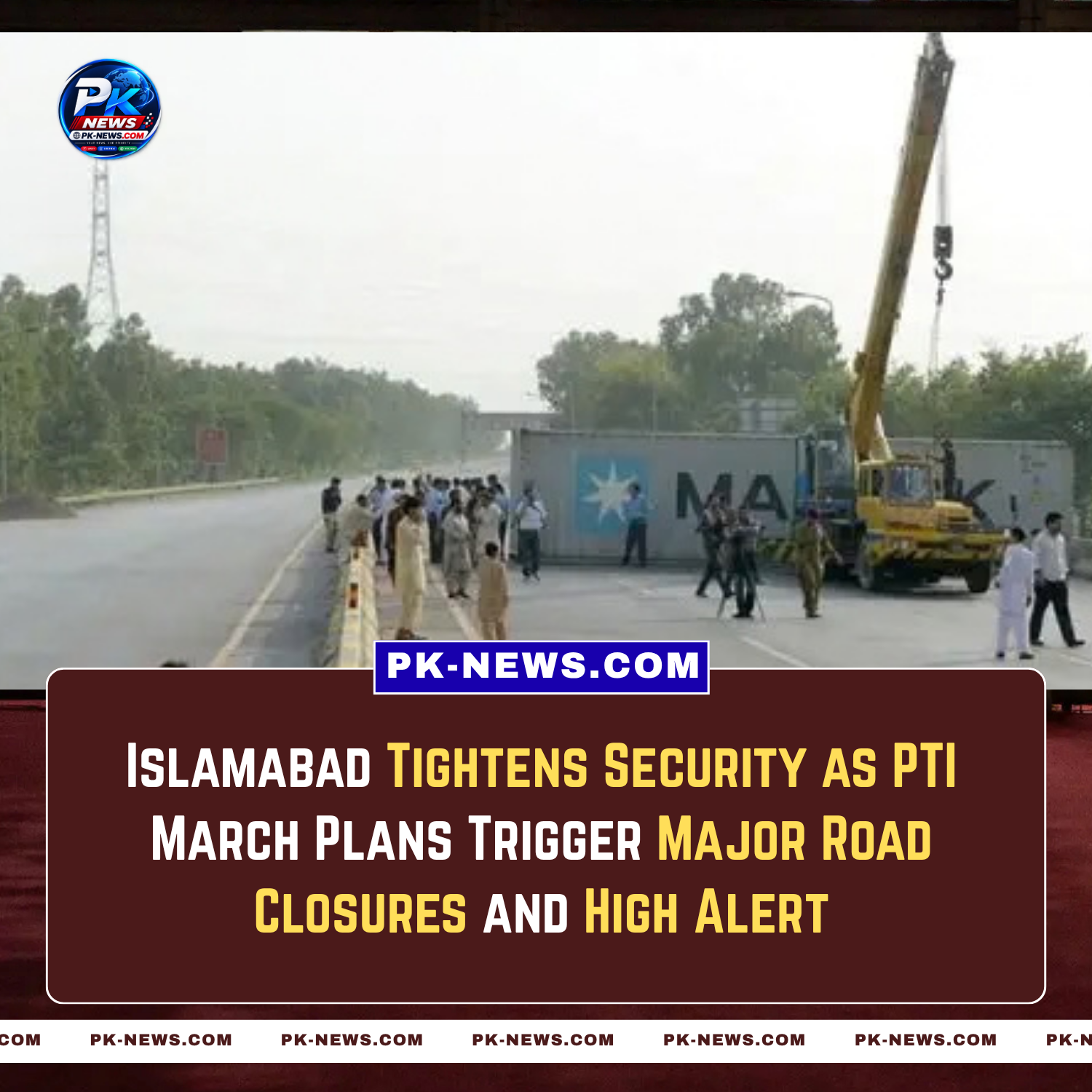
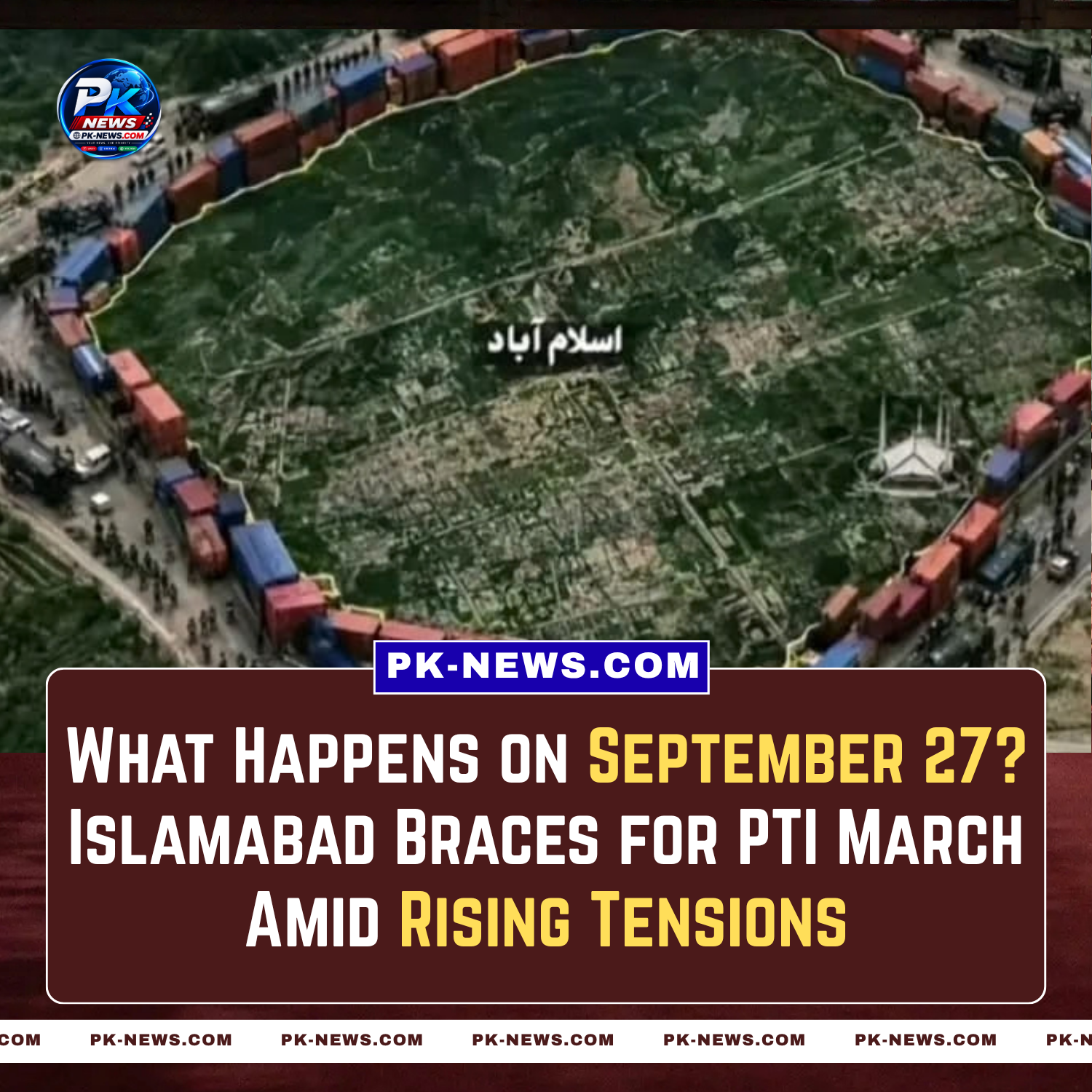
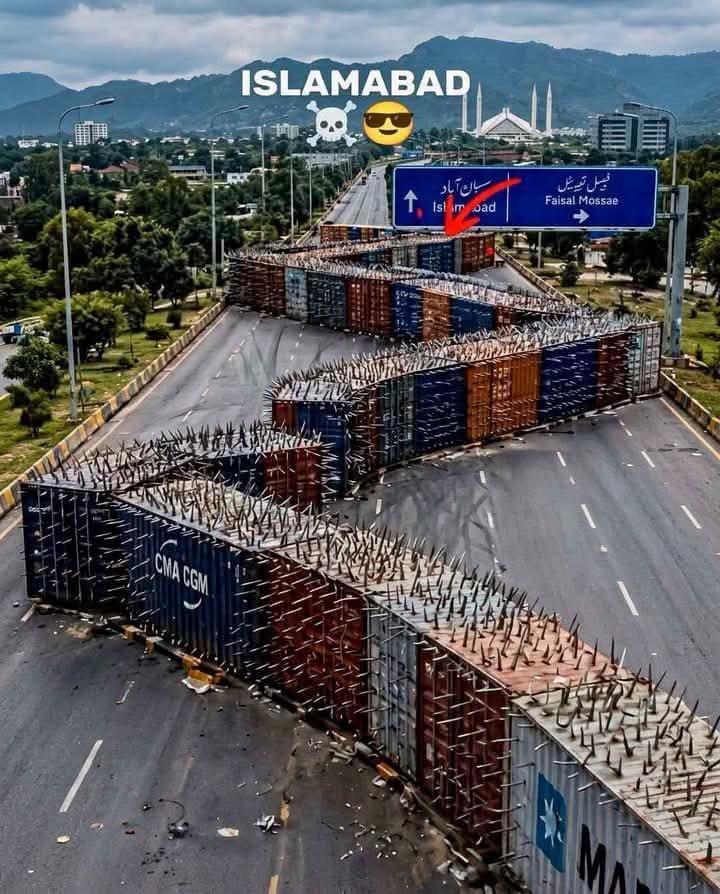
Islamabad is facing heightened security and serious traffic restrictions as authorities prepare for the Pakistan Tehreek-e-Insaf (PTI) mobilisation that had been planned for September 27. Major highways and entry routes have been blocked or restricted with containers, while thousands of security personnel have been prepared for deployment. The measures have affected transport, schools and daily life in the capital and surrounding areas. Although PTI has now reportedly postponed the march to October 4, the security arrangements remain a major developing story. Islamabad enters a period of heightened security Pakistan's federal capital has entered an unusual security phase as authorities continue preparations linked to the PTI's planned mobilisation. For several days, major roads approaching Islamabad have been restricted, while shipping containers and other barriers have been placed at important entry points. The preparations were initially connected to PTI's September 27 long march, which the party had announced as a mobilisation demanding the release of former prime minister Imran Khan. On September 25, however, reports emerged that PTI's political committee had decided to postpone the march until October 4. The Express Tribune reported that the party's leadership ultimately agreed to defer the protest after consultations. Despite the reported postponement, security arrangements already put in place around the capital have become a major issue for residents, travellers and businesses. Major highways face restrictions One of the most visible consequences has been disruption to transportation. The National Highways and Motorway Police has reported restrictions on several major routes leading toward Islamabad. Reports published on September 25 said the M-1 motorway was closed in both directions between Swabi and the Islamabad Toll Plaza. Restrictions were also reported on parts of the E-35 Hazara Motorway and N-5/GT Road. The closures have affected people travelling between Khyber Pakhtunkhwa, Punjab and Islamabad. For commuters, the restrictions mean longer routes, traffic diversions and uncertainty about which roads remain accessible. The situation has also raised concerns among transport operators because Islamabad is an important connection point for commercial traffic moving between northern Pakistan and other regions. Containers used to block entry points Authorities have used large shipping containers to restrict access to Islamabad. According to AFP reporting carried by Business Recorder, approximately 22,000 security personnel had been deployed in Islamabad as authorities prepared for the planned demonstration. Major entry points, highways and intersections were obstructed by containers. Images and reports from the capital showed double-stacked containers being used at strategic locations. The Islamabad-Peshawar Motorway was among the routes affected. The restrictions have created significant traffic congestion in areas where vehicles have been diverted onto alternative roads. Security personnel prepared for deployment The government has also increased the presence of security forces. The federal government authorised the deployment of Pakistan Rangers in Islamabad Capital Territory and several Punjab districts. According to a Ministry of Interior notification reported by Dawn, the deployment was authorised from September 20 until October 5. The timing is significant because the newly reported October 4 date for the PTI march falls within this authorised deployment period. Separately, reports have described preparations involving police personnel from different provinces. Business Recorder reported that the Islamabad administration had taken control of more than 24 educational institutions for temporary accommodation of police and security personnel. Schools affected by security preparations The security situation has also reached educational institutions. According to Business Recorder, more than 24 schools and colleges under the Federal Directorate of Education were temporarily handed over to the Islamabad administration and police to accommodate security personnel. Students and teachers at the affected institutions were given holidays, with classes shifted online. The report also stated that the federal government had not announced a blanket closure of all schools and colleges across Islamabad. This distinction is important because not every educational institution in the capital has necessarily been closed. The decision to use selected institutions for security accommodation demonstrates the scale of preparations taking place ahead of the political mobilisation. Businesses and transport also feel pressure The restrictions have broader economic consequences. Transporters have warned that road closures and vehicle restrictions are affecting freight movement. Arab News Pakistan reported that transporters had raised concerns about supply chains, while the government was considering contingency arrangements to keep fuel supplies moving if road restrictions continued. Commercial traffic is particularly important for Islamabad and Rawalpindi because the twin cities receive goods from multiple parts of the country. Extended road restrictions can therefore affect restaurants, shops, fuel stations, logistics companies and other businesses. For ordinary citizens, even short-term closures can increase commuting times and transportation costs. Political background The security measures are connected to a wider political dispute between PTI and the federal government. PTI had announced the Islamabad march while demanding the release of Imran Khan and raising broader political demands. The government, meanwhile, has said that public order and citizens' movement must be protected. The Islamabad High Court has also addressed the issue. In a detailed judgment reported by Geo News, the court stated that political parties do not have a lawful right to occupy public roads, highways, interchanges, toll plazas or government buildings. The judgment also addressed the protection of citizens' fundamental rights and the responsibilities of authorities during political protests. These legal considerations form part of the background to the current security arrangements. Conflicting information about road access There has also been controversy over whether all roads into Islamabad remained open. A September 24 fact-check by The Express Tribune challenged a statement attributed to State Minister for Interior Talal Chaudhry that all 125 roads leading to Islamabad were open. The fact-check said major routes including the M-1, M-14 and N-5/GT Road remained closed or restricted. This illustrates the difficulty for travellers trying to determine which routes are currently available. Because road conditions can change quickly during security operations, commuters have been advised through official traffic and motorway channels to check the latest information before travelling. What happens after the reported postponement? The reported postponement of the PTI march changes the immediate situation but does not automatically end the security concerns. If October 4 becomes the confirmed new date, authorities may continue some security arrangements through the following week. The existing Rangers authorisation reportedly runs through October 5, meaning the new reported protest date falls almost exactly at the end of the current authorisation period. The government could therefore reassess its strategy in the coming days. PTI, meanwhile, will need to communicate its revised mobilisation plan to supporters and clarify whether the route, timing and demands will remain unchanged. Islamabad residents await normal movement For residents of Islamabad and Rawalpindi, one of the most important questions is when normal traffic will return. The road restrictions have affected daily commuting, intercity travel and commercial activity. If restrictions remain in place for an extended period, pressure could increase on alternative roads and public transport. Businesses located around major entry points could also continue experiencing reduced customer movement. The situation therefore extends beyond the political dispute itself and directly affects ordinary residents. A developing story for Pakistan Islamabad's security situation remains one of Pakistan's most closely watched developments on September 25, 2026. The combination of road closures, container barriers, security-force deployment and disruption to selected educational institutions has created an unusual environment in the capital. At the same time, PTI's reported decision to postpone the march from September 27 to October 4 means the situation could change again in the coming days. The exact timeline for reopening roads, removing containers and reducing security deployments remains subject to decisions by the authorities. For now, travellers and residents should rely on updated official traffic and administrative announcements because access routes can change rapidly. PK-News.com will continue following the Islamabad security situation and will publish further updates as PTI, the federal government and local authorities announce new developments.
Sep 25, 2026 at 10:20 PM
Islamabad is facing heightened security and serious traffic restrictions as authorities prepare for the Pakistan Tehreek-e-Insaf (PTI) mobilisation that had been planned for September 27. Major highways and entry routes have been blocked or restricted with containers, while thousands of security personnel have been prepared for deployment. The measures have affected transport, schools and daily life in the capital and surrounding areas. Although PTI has now reportedly postponed the march to October 4, the security arrangements remain a major developing story. Islamabad enters a period of heightened security Pakistan's federal capital has entered an unusual security phase as authorities continue preparations linked to the PTI's planned mobilisation. For several days, major roads approaching Islamabad have been restricted, while shipping containers and other barriers have been placed at important entry points. The preparations were initially connected to PTI's September 27 long march, which the party had announced as a mobilisation demanding the release of former prime minister Imran Khan. On September 25, however, reports emerged that PTI's political committee had decided to postpone the march until October 4. The Express Tribune reported that the party's leadership ultimately agreed to defer the protest after consultations. Despite the reported postponement, security arrangements already put in place around the capital have become a major issue for residents, travellers and businesses. Major highways face restrictions One of the most visible consequences has been disruption to transportation. The National Highways and Motorway Police has reported restrictions on several major routes leading toward Islamabad. Reports published on September 25 said the M-1 motorway was closed in both directions between Swabi and the Islamabad Toll Plaza. Restrictions were also reported on parts of the E-35 Hazara Motorway and N-5/GT Road. The closures have affected people travelling between Khyber Pakhtunkhwa, Punjab and Islamabad. For commuters, the restrictions mean longer routes, traffic diversions and uncertainty about which roads remain accessible. The situation has also raised concerns among transport operators because Islamabad is an important connection point for commercial traffic moving between northern Pakistan and other regions. Containers used to block entry points Authorities have used large shipping containers to restrict access to Islamabad. According to AFP reporting carried by Business Recorder, approximately 22,000 security personnel had been deployed in Islamabad as authorities prepared for the planned demonstration. Major entry points, highways and intersections were obstructed by containers. Images and reports from the capital showed double-stacked containers being used at strategic locations. The Islamabad-Peshawar Motorway was among the routes affected. The restrictions have created significant traffic congestion in areas where vehicles have been diverted onto alternative roads. Security personnel prepared for deployment The government has also increased the presence of security forces. The federal government authorised the deployment of Pakistan Rangers in Islamabad Capital Territory and several Punjab districts. According to a Ministry of Interior notification reported by Dawn, the deployment was authorised from September 20 until October 5. The timing is significant because the newly reported October 4 date for the PTI march falls within this authorised deployment period. Separately, reports have described preparations involving police personnel from different provinces. Business Recorder reported that the Islamabad administration had taken control of more than 24 educational institutions for temporary accommodation of police and security personnel. Schools affected by security preparations The security situation has also reached educational institutions. According to Business Recorder, more than 24 schools and colleges under the Federal Directorate of Education were temporarily handed over to the Islamabad administration and police to accommodate security personnel. Students and teachers at the affected institutions were given holidays, with classes shifted online. The report also stated that the federal government had not announced a blanket closure of all schools and colleges across Islamabad. This distinction is important because not every educational institution in the capital has necessarily been closed. The decision to use selected institutions for security accommodation demonstrates the scale of preparations taking place ahead of the political mobilisation. Businesses and transport also feel pressure The restrictions have broader economic consequences. Transporters have warned that road closures and vehicle restrictions are affecting freight movement. Arab News Pakistan reported that transporters had raised concerns about supply chains, while the government was considering contingency arrangements to keep fuel supplies moving if road restrictions continued. Commercial traffic is particularly important for Islamabad and Rawalpindi because the twin cities receive goods from multiple parts of the country. Extended road restrictions can therefore affect restaurants, shops, fuel stations, logistics companies and other businesses. For ordinary citizens, even short-term closures can increase commuting times and transportation costs. Political background The security measures are connected to a wider political dispute between PTI and the federal government. PTI had announced the Islamabad march while demanding the release of Imran Khan and raising broader political demands. The government, meanwhile, has said that public order and citizens' movement must be protected. The Islamabad High Court has also addressed the issue. In a detailed judgment reported by Geo News, the court stated that political parties do not have a lawful right to occupy public roads, highways, interchanges, toll plazas or government buildings. The judgment also addressed the protection of citizens' fundamental rights and the responsibilities of authorities during political protests. These legal considerations form part of the background to the current security arrangements. Conflicting information about road access There has also been controversy over whether all roads into Islamabad remained open. A September 24 fact-check by The Express Tribune challenged a statement attributed to State Minister for Interior Talal Chaudhry that all 125 roads leading to Islamabad were open. The fact-check said major routes including the M-1, M-14 and N-5/GT Road remained closed or restricted. This illustrates the difficulty for travellers trying to determine which routes are currently available. Because road conditions can change quickly during security operations, commuters have been advised through official traffic and motorway channels to check the latest information before travelling. What happens after the reported postponement? The reported postponement of the PTI march changes the immediate situation but does not automatically end the security concerns. If October 4 becomes the confirmed new date, authorities may continue some security arrangements through the following week. The existing Rangers authorisation reportedly runs through October 5, meaning the new reported protest date falls almost exactly at the end of the current authorisation period. The government could therefore reassess its strategy in the coming days. PTI, meanwhile, will need to communicate its revised mobilisation plan to supporters and clarify whether the route, timing and demands will remain unchanged. Islamabad residents await normal movement For residents of Islamabad and Rawalpindi, one of the most important questions is when normal traffic will return. The road restrictions have affected daily commuting, intercity travel and commercial activity. If restrictions remain in place for an extended period, pressure could increase on alternative roads and public transport. Businesses located around major entry points could also continue experiencing reduced customer movement. The situation therefore extends beyond the political dispute itself and directly affects ordinary residents. A developing story for Pakistan Islamabad's security situation remains one of Pakistan's most closely watched developments on September 25, 2026. The combination of road closures, container barriers, security-force deployment and disruption to selected educational institutions has created an unusual environment in the capital. At the same time, PTI's reported decision to postpone the march from September 27 to October 4 means the situation could change again in the coming days. The exact timeline for reopening roads, removing containers and reducing security deployments remains subject to decisions by the authorities. For now, travellers and residents should rely on updated official traffic and administrative announcements because access routes can change rapidly. PK-News.com will continue following the Islamabad security situation and will publish further updates as PTI, the federal government and local authorities announce new developments.
PTI Islamabad March Takes New Turn as Party Leadership Considers Postponement Amid Political Tensions
10
Politics PK Live News 😐 Neutral
PTI Islamabad March Takes New Turn as Party Leadership Considers Postponement Amid Political Tensions
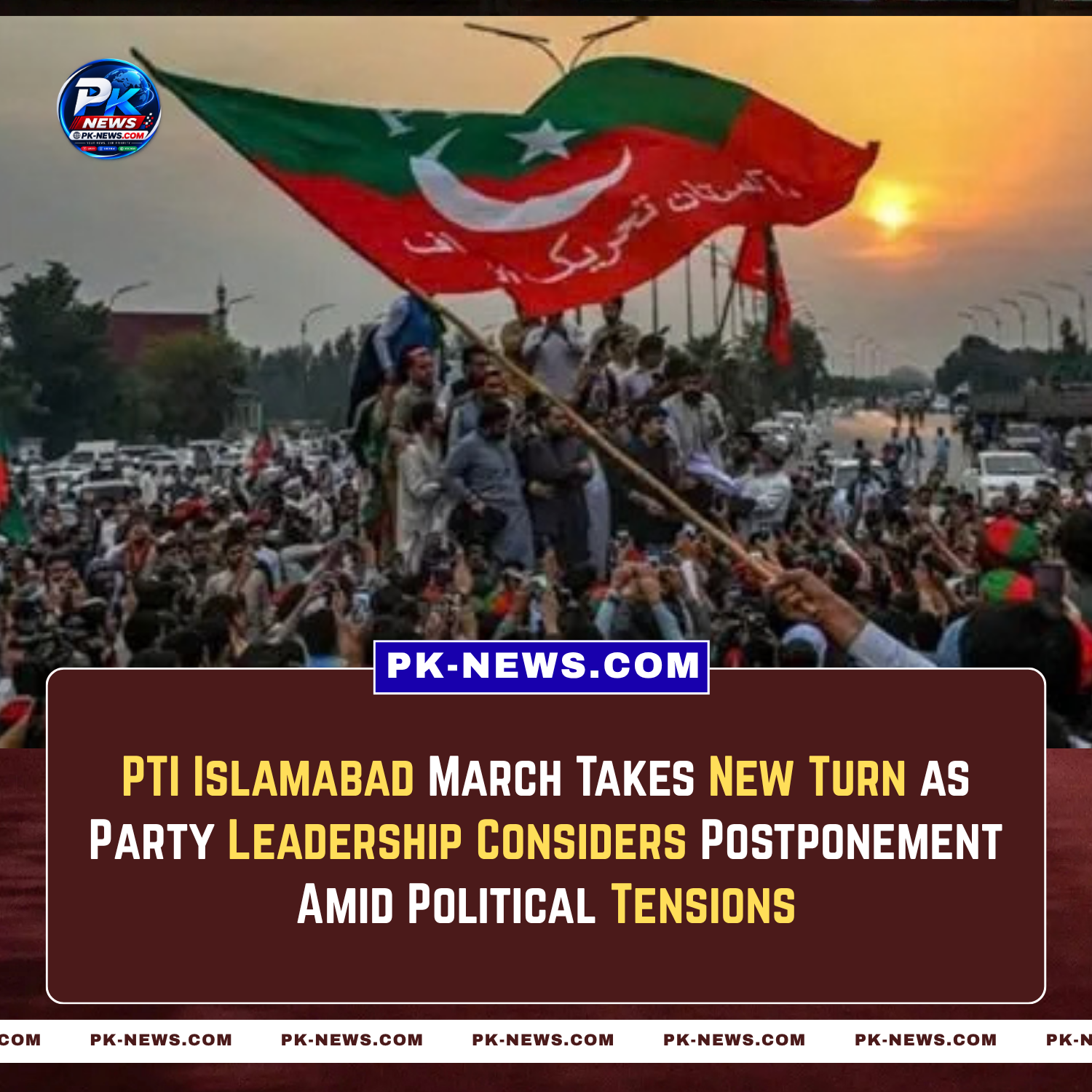
Pakistan’s political situation has taken a new turn as Pakistan Tehreek-e-Insaf (PTI) leadership reportedly decided to postpone its planned Islamabad long march by more than a week. The development comes after days of political mobilisation, security preparations and uncertainty surrounding the party’s September 27 protest plans. Pakistan’s political landscape has entered another important phase as Pakistan Tehreek-e-Insaf (PTI) has reportedly decided to postpone its planned Islamabad long march, which had been scheduled for September 27. The reported decision represents a significant change from the position maintained by PTI leaders in recent days, when senior party figures repeatedly said that workers and supporters would move toward the federal capital. According to a report published by Dawn on September 25, PTI leadership decided to postpone the long march for more than one week. The development followed several days of uncertainty inside the party over whether the protest would proceed on the originally announced date. A major change after days of mobilisation The planned demonstration had become one of the most closely watched political developments in Pakistan. PTI leaders had been mobilising supporters across different parts of the country, while authorities simultaneously increased security preparations around Islamabad and important routes leading toward the capital. Earlier reports indicated that major highways and entry routes had been restricted or closed as authorities prepared for the possibility of large-scale political mobilisation. The changing position regarding the date of the march therefore comes at a time when both political activity and administrative preparations had already intensified. PTI's demands remain central The political dispute surrounding the protest has been closely connected with PTI's demands concerning the imprisonment of former prime minister Imran Khan. PTI leaders and supporters have continued to call for his release, while the party has also raised wider political and legal demands. In recent days, party representatives had publicly insisted that the September 27 mobilisation would take place and described it as a peaceful political protest. PTI also instructed its workers not to bring weapons or objects that could be used as weapons to the demonstration. Geo News reported that PTI leaders warned supporters against carrying sticks, slingshots or weapons and reiterated that the party intended to conduct a peaceful protest. That message became particularly significant because authorities were already preparing for potential unrest or disruption around Islamabad. Security preparations around Islamabad The capital has remained a major focus of attention as the planned protest approached. Road closures and restrictions have affected routes connecting Islamabad with surrounding areas. Travellers have faced uncertainty over access to the capital, while authorities have continued security arrangements. Dawn's September 25 latest-news coverage also reported continuing developments related to the PTI march, reflecting the importance of the issue in Pakistan's political environment. The situation has created concerns for commuters, businesses, students and residents who rely on major roads connecting Islamabad with Rawalpindi and other parts of the country. Any large political gathering in the capital can also create logistical challenges because Islamabad contains important government institutions, diplomatic missions, business centres and residential areas. Why the postponement matters The reported postponement changes the immediate political timeline. Instead of a major confrontation around September 27, the focus may now shift toward negotiations, internal party discussions and the possibility of a revised protest date. The decision also provides authorities and political parties with additional time to assess the situation. However, the postponement does not necessarily mean that the underlying political dispute has ended. PTI's central demands remain part of the wider political disagreement, while government authorities continue to manage security, public-order and administrative concerns. The coming days could therefore remain politically significant as PTI determines its next course of action. Political uncertainty continues The latest development demonstrates how quickly Pakistan's political situation can change. For several days, PTI representatives had publicly discussed the September 27 protest, while different statements created uncertainty over whether the march would proceed exactly as originally planned. Reports published on September 25 now indicate that the party leadership has decided to postpone the march. This means the political focus may move away from an immediate September 27 mobilisation and toward what happens next. The eventual date, demands and scale of any future demonstration will likely depend on discussions within the party and developments involving the government. What could happen next? Several developments could now shape the situation. First, PTI leadership is expected to communicate its revised plan and explain the reasons behind the postponement. Second, government authorities may review security arrangements that were introduced in anticipation of the September 27 mobilisation. Third, political negotiations or public statements from both sides could influence whether tensions decrease or remain elevated. Fourth, PTI supporters will be watching closely for any announcement concerning the new date of the march. For ordinary citizens, the most immediate issue will be the restoration of normal movement on major roads and the removal or relaxation of restrictions where authorities consider it safe. A new phase in Pakistan's political crisis The reported postponement marks a new stage in the political dispute surrounding PTI and its supporters. After days of mobilisation and preparations, the expected September 27 confrontation may no longer take place on the originally announced schedule. Nevertheless, the political issues behind the protest remain unresolved. The coming week could therefore prove important for Pakistan's political environment as PTI leadership decides its next strategy, authorities reassess security measures and both sides respond to the changing situation. PK-News.com will continue monitoring the latest developments and provide updates as new information becomes available.
Sep 25, 2026 at 9:26 PM
Pakistan’s political situation has taken a new turn as Pakistan Tehreek-e-Insaf (PTI) leadership reportedly decided to postpone its planned Islamabad long march by more than a week. The development comes after days of political mobilisation, security preparations and uncertainty surrounding the party’s September 27 protest plans. Pakistan’s political landscape has entered another important phase as Pakistan Tehreek-e-Insaf (PTI) has reportedly decided to postpone its planned Islamabad long march, which had been scheduled for September 27. The reported decision represents a significant change from the position maintained by PTI leaders in recent days, when senior party figures repeatedly said that workers and supporters would move toward the federal capital. According to a report published by Dawn on September 25, PTI leadership decided to postpone the long march for more than one week. The development followed several days of uncertainty inside the party over whether the protest would proceed on the originally announced date. A major change after days of mobilisation The planned demonstration had become one of the most closely watched political developments in Pakistan. PTI leaders had been mobilising supporters across different parts of the country, while authorities simultaneously increased security preparations around Islamabad and important routes leading toward the capital. Earlier reports indicated that major highways and entry routes had been restricted or closed as authorities prepared for the possibility of large-scale political mobilisation. The changing position regarding the date of the march therefore comes at a time when both political activity and administrative preparations had already intensified. PTI's demands remain central The political dispute surrounding the protest has been closely connected with PTI's demands concerning the imprisonment of former prime minister Imran Khan. PTI leaders and supporters have continued to call for his release, while the party has also raised wider political and legal demands. In recent days, party representatives had publicly insisted that the September 27 mobilisation would take place and described it as a peaceful political protest. PTI also instructed its workers not to bring weapons or objects that could be used as weapons to the demonstration. Geo News reported that PTI leaders warned supporters against carrying sticks, slingshots or weapons and reiterated that the party intended to conduct a peaceful protest. That message became particularly significant because authorities were already preparing for potential unrest or disruption around Islamabad. Security preparations around Islamabad The capital has remained a major focus of attention as the planned protest approached. Road closures and restrictions have affected routes connecting Islamabad with surrounding areas. Travellers have faced uncertainty over access to the capital, while authorities have continued security arrangements. Dawn's September 25 latest-news coverage also reported continuing developments related to the PTI march, reflecting the importance of the issue in Pakistan's political environment. The situation has created concerns for commuters, businesses, students and residents who rely on major roads connecting Islamabad with Rawalpindi and other parts of the country. Any large political gathering in the capital can also create logistical challenges because Islamabad contains important government institutions, diplomatic missions, business centres and residential areas. Why the postponement matters The reported postponement changes the immediate political timeline. Instead of a major confrontation around September 27, the focus may now shift toward negotiations, internal party discussions and the possibility of a revised protest date. The decision also provides authorities and political parties with additional time to assess the situation. However, the postponement does not necessarily mean that the underlying political dispute has ended. PTI's central demands remain part of the wider political disagreement, while government authorities continue to manage security, public-order and administrative concerns. The coming days could therefore remain politically significant as PTI determines its next course of action. Political uncertainty continues The latest development demonstrates how quickly Pakistan's political situation can change. For several days, PTI representatives had publicly discussed the September 27 protest, while different statements created uncertainty over whether the march would proceed exactly as originally planned. Reports published on September 25 now indicate that the party leadership has decided to postpone the march. This means the political focus may move away from an immediate September 27 mobilisation and toward what happens next. The eventual date, demands and scale of any future demonstration will likely depend on discussions within the party and developments involving the government. What could happen next? Several developments could now shape the situation. First, PTI leadership is expected to communicate its revised plan and explain the reasons behind the postponement. Second, government authorities may review security arrangements that were introduced in anticipation of the September 27 mobilisation. Third, political negotiations or public statements from both sides could influence whether tensions decrease or remain elevated. Fourth, PTI supporters will be watching closely for any announcement concerning the new date of the march. For ordinary citizens, the most immediate issue will be the restoration of normal movement on major roads and the removal or relaxation of restrictions where authorities consider it safe. A new phase in Pakistan's political crisis The reported postponement marks a new stage in the political dispute surrounding PTI and its supporters. After days of mobilisation and preparations, the expected September 27 confrontation may no longer take place on the originally announced schedule. Nevertheless, the political issues behind the protest remain unresolved. The coming week could therefore prove important for Pakistan's political environment as PTI leadership decides its next strategy, authorities reassess security measures and both sides respond to the changing situation. PK-News.com will continue monitoring the latest developments and provide updates as new information becomes available.
What Happens on September 27? Islamabad Braces for PTI March Amid Rising Tensions
13
Politics PK Live News 😊 Positive
What Happens on September 27? Islamabad Braces for PTI March Amid Rising Tensions
Islamabad is facing heightened security preparations as Pakistan Tehreek-e-Insaf (PTI) maintains its plan for a September 27 march demanding the release of Imran Khan. Major roads have been restricted, Rangers have been deployed, Section 144 has been imposed and additional crowd-control measures are being prepared. PTI says the protest will remain peaceful, while the government says restrictions will be enforced. The next major development is expected on September 25, when PTI is expected to provide further details of its mobilisation strategy. Islamabad — September 25, 2026 | PK News Islamabad is entering a critical period ahead of Pakistan Tehreek-e-Insaf's planned September 27 march, with authorities significantly increasing security measures while PTI continues to insist that the mobilisation will go ahead. The latest developments include the deployment of Pakistan Rangers in Islamabad and several Punjab districts, restrictions on public gatherings, closures or restrictions on major roads and preparations to control access to the federal capital. At the same time, PTI has reiterated that the march will be peaceful and has instructed its workers not to carry weapons, sticks or slingshots. PTI KP Information Secretary Shaukat Yousafzai said the party would continue toward Islamabad and, if stopped, supporters would sit and protest at the location where they were stopped. The result is a rapidly developing political and security situation in which both sides have publicly maintained their positions. PTI Says September 27 Plan Remains PTI's latest public position is that the September 27 march will proceed. According to reporting from September 24, PTI held an online meeting to discuss the mobilisation strategy, and central spokesperson Sheikh Waqas Akram said no participant proposed postponing the march. Shaukat Yousafzai also said PTI workers would travel toward Islamabad and, if authorities stopped them, they would remain at that location and protest. The party has linked the mobilisation to demands concerning Imran Khan and what it describes as constitutional and political grievances. However, the precise operational details of the march have not all been publicly disclosed. September 25 Could Bring More Details One of the most important dates before the planned march is September 25. PTI is expected to provide more information about its strategy and mobilisation arrangements. The announcement could clarify how workers from different areas will travel, where groups are expected to gather and how the party intends to organise its movement toward Islamabad. It could also provide more information about the party's instructions to workers if they encounter security barriers. Until those details are formally announced, reports about specific routes or gathering points should be treated carefully. Islamabad Has Increased Security Authorities have substantially increased security preparations in the capital. The federal government has authorised Pakistan Rangers to assist authorities in Islamabad and several Punjab districts from September 20 to October 5. The notification was issued by the Ministry of Interior and Narcotics Control. The deployment covers Islamabad and areas of Punjab considered important for maintaining law and order during the period surrounding the planned protest. The notification also authorises Rangers personnel to respond in self-defence to threats or violent activity encountered during their duties, according to applicable rules and regulations. Punjab had separately requested Rangers assistance in Rawalpindi, Attock, Jhelum and Mianwali. These locations are strategically important because they include major routes linking Khyber Pakhtunkhwa and northern Punjab with Islamabad and Rawalpindi. Major Roads Have Been Restricted One of the most visible effects of the security preparations is the restriction of major roads. The Islamabad-Peshawar Motorway has been blocked, with trucks reportedly placed across parts of the route. Other major roads leading toward Islamabad have also faced closures or restrictions. The National Highways and Motorway Police has also reported restrictions affecting major transportation corridors. These road closures have consequences beyond the political mobilisation. Transporters have warned that prolonged roadblocks could disrupt freight movement and supply chains. The concerns include the movement of goods and fuel between different parts of the country. This makes the September 27 situation important not only for political parties but also for ordinary travellers, businesses and transport operators. Section 144 Adds Another Layer Islamabad administration has imposed Section 144, restricting public gatherings, rallies and demonstrations. The restrictions cover the federal capital, including sensitive areas, and authorities have urged residents to cooperate with security institutions. Punjab has also imposed Section 144 during the period surrounding the planned PTI mobilisation. According to reporting from September 24, Punjab's restrictions prohibit gatherings of five or more people in specified public places and restrict processions and demonstrations. This creates an important legal issue for the planned mobilisation because PTI says it intends to hold a public political protest while authorities have already imposed restrictions on such gatherings. Government Says Restrictions Will Be Enforced The federal government has repeatedly stated that the PTI march toward Islamabad will not be permitted if it violates applicable restrictions. Prime Minister's Adviser on Political Affairs Rana Sanaullah said talks with PTI could not proceed unless the party postponed its long march. He also said there had been backchannel contact with PTI leadership. The government's position is that authorities will maintain law and order and prevent activity that violates restrictions or creates a threat to public safety. The government has also positioned containers and other barriers around important routes. PTI Says the Protest Will Be Peaceful PTI has repeatedly rejected the idea that its march is intended to be violent. On September 24, the party specifically instructed participants not to carry weapons, sticks or slingshots. Shaukat Yousafzai said anyone carrying such items would not represent the party's position. He also said the party's workers had been instructed to remain peaceful. Khyber Pakhtunkhwa Chief Minister Sohail Afridi has similarly described the planned mobilisation as a peaceful protest rather than an armed struggle or attack. These statements represent PTI's public position. Whether all participants follow the instructions will only become clear during the actual mobilisation. Net Launchers Become Part of the Security Debate Another development attracting attention is the reported preparation of net launchers for Islamabad police. Dawn reported that police had been provided with the equipment as a non-lethal crowd-control tool ahead of the PTI protest. PTI Chairman Barrister Gohar Khan criticised the use of such equipment against political protesters and called for dialogue to address the political dispute. The development illustrates the different approaches being taken by the two sides. PTI is emphasising political dialogue and peaceful protest, while authorities are preparing additional crowd-control capabilities. Reports of Political Contacts Remain Disputed Political contacts between the government and PTI are another major part of the story. Dawn reported that sources claimed PTI had been offered certain confidence-building measures in backchannel contacts. However, Minister of State for Interior Talal Chaudhry denied that the government had offered such measures. He told Dawn that if such offers had been made, the long march would not have continued. Because the accounts differ, reports about specific offers should be treated as disputed claims rather than a confirmed government-PTI agreement. What is established from public statements is that political communication remains part of the wider situation while both sides continue to maintain different positions over the march. The Role of Imran Khan The planned march remains closely connected to PTI's demand concerning Imran Khan. The former prime minister remains imprisoned, and PTI has repeatedly linked its political mobilisation to his release and broader political demands. The issue has also contributed to the arrest and detention of members of Khan's family and PTI supporters in the period before the planned march. Reuters reported on September 20 that Aleema Khan, Imran Khan's sister, was arrested in Lahore and detained for 30 days under a district administration order citing public-safety concerns. Other reports have described additional arrests and detentions involving members of Khan's family and PTI figures. These developments have become another source of political tension ahead of September 27. What Could Happen to Traffic and Daily Life? The security preparations are already affecting movement around Islamabad and neighbouring districts. If major highways remain closed, commuters travelling between Khyber Pakhtunkhwa, Punjab, Rawalpindi and Islamabad could face longer journeys or alternative routes. Transport companies have also raised concerns about the economic consequences of road closures. Arab News reported that goods transporters warned that continued roadblocks could disrupt supply chains and create difficulties for the movement of essential goods and fuel. For Islamabad residents, the most immediate issues are likely to involve road access, public transport, security checkpoints and restrictions around sensitive locations. The Islamabad High Court's Position The legal situation is another important element. The Islamabad High Court has previously stated that political parties, political leaders, provincial governments and public office holders do not have a lawful right to occupy public roads, highways, interchanges, toll plazas or other public places in ways that obstruct citizens' movement. The court also emphasised the right of citizens to access trade, business, education and medical facilities. This legal context is relevant to the government's argument that road blockages and occupation of public infrastructure cannot continue without restriction. At the same time, PTI has argued that peaceful political assembly is a constitutional right. The interaction between these legal principles and the government's restrictions could therefore become important as September 27 approaches. Key Questions Before September 27 Several questions remain unanswered. Will PTI Change the Date? As of September 24, PTI's public position remains that the march will proceed on September 27. There have been reports suggesting that the party is considering alternative arrangements, but these should not be treated as a confirmed change unless PTI formally announces one. Which Routes Will Be Used? The detailed route plan remains important because several major roads are already restricted. PTI's September 25 strategy announcement could provide more clarity. How Will Authorities Respond? The government has already deployed additional security personnel and placed barriers around strategic routes. The response on September 27 will depend on the circumstances and the nature of gatherings at different locations. Will Political Dialogue Continue? Government officials have acknowledged political communication while maintaining that the march cannot proceed into Islamabad under the current position. PTI has also called for dialogue. Whether those contacts produce any publicly confirmed understanding remains uncertain. What to Watch on September 25 The next major development is expected to be PTI's detailed mobilisation plan. For journalists and the public, the important points will include: Starting locations of PTI convoys Routes toward Islamabad Expected gathering points Instructions to party workers PTI's response to blocked roads Security arrangements around the capital Any changes to the September 27 plan Any political negotiations before the march The announcement should provide a clearer picture of the party's organisational approach. September 27 Remains the Main Date At present, the central facts are straightforward. PTI says its September 27 march will proceed. The government says restrictions will be enforced and has increased security preparations. Major routes have been restricted, Rangers have been deployed and Section 144 is in force in Islamabad and Punjab. PTI has instructed its workers to remain peaceful and avoid carrying weapons. The detailed operational strategy is expected to become clearer on September 25. The final scale and course of the mobilisation cannot be established in advance. Developments between September 25 and September 27 — including political talks, court decisions, arrests, road restrictions and PTI's organisational decisions — could change the situation. PK News Analysis The September 27 PTI march has now developed into a wider political, legal, security and transportation issue. The government's preparations show that authorities are treating the planned mobilisation as a significant law-and-order challenge. PTI, meanwhile, continues to publicly insist on its right to protest and has specifically instructed workers to avoid weapons and violence. The most important immediate development will be PTI's strategy announcement expected on September 25. For PK-News.com, September 27 should therefore be followed as an evolving story rather than an event with a predetermined outcome. The final situation will depend on decisions made by political leaders, authorities, courts and participants during the remaining days. PK-News.com will continue tracking PTI's September 27 march, Islamabad security measures, road restrictions, Rangers deployment, political negotiations and the latest developments surrounding Imran Khan and Sohail Afridi.
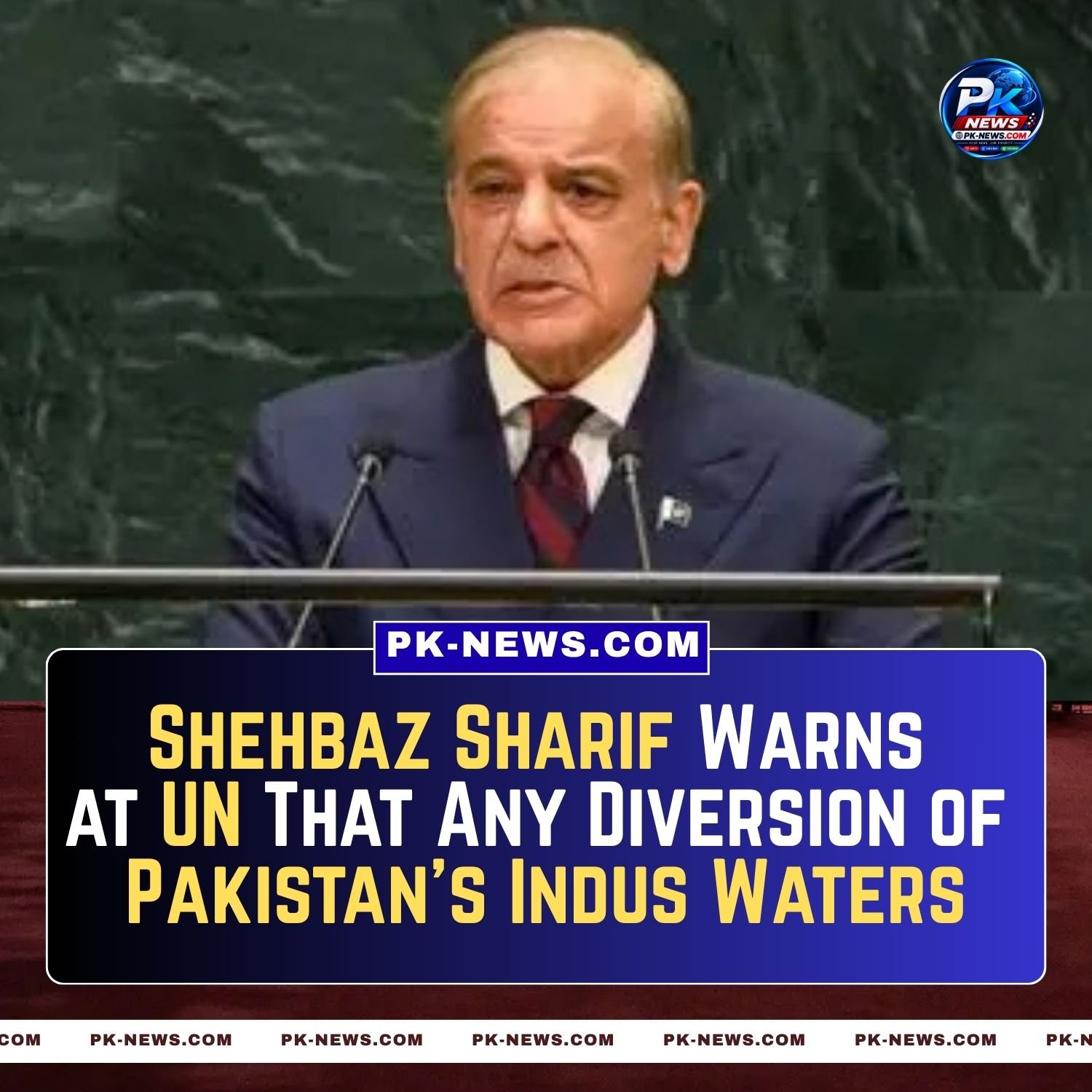
Sep 24, 2026 at 10:31 PM
Islamabad is facing heightened security preparations as Pakistan Tehreek-e-Insaf (PTI) maintains its plan for a September 27 march demanding the release of Imran Khan. Major roads have been restricted, Rangers have been deployed, Section 144 has been imposed and additional crowd-control measures are being prepared. PTI says the protest will remain peaceful, while the government says restrictions will be enforced. The next major development is expected on September 25, when PTI is expected to provide further details of its mobilisation strategy. Islamabad — September 25, 2026 | PK News Islamabad is entering a critical period ahead of Pakistan Tehreek-e-Insaf's planned September 27 march, with authorities significantly increasing security measures while PTI continues to insist that the mobilisation will go ahead. The latest developments include the deployment of Pakistan Rangers in Islamabad and several Punjab districts, restrictions on public gatherings, closures or restrictions on major roads and preparations to control access to the federal capital. At the same time, PTI has reiterated that the march will be peaceful and has instructed its workers not to carry weapons, sticks or slingshots. PTI KP Information Secretary Shaukat Yousafzai said the party would continue toward Islamabad and, if stopped, supporters would sit and protest at the location where they were stopped. The result is a rapidly developing political and security situation in which both sides have publicly maintained their positions. PTI Says September 27 Plan Remains PTI's latest public position is that the September 27 march will proceed. According to reporting from September 24, PTI held an online meeting to discuss the mobilisation strategy, and central spokesperson Sheikh Waqas Akram said no participant proposed postponing the march. Shaukat Yousafzai also said PTI workers would travel toward Islamabad and, if authorities stopped them, they would remain at that location and protest. The party has linked the mobilisation to demands concerning Imran Khan and what it describes as constitutional and political grievances. However, the precise operational details of the march have not all been publicly disclosed. September 25 Could Bring More Details One of the most important dates before the planned march is September 25. PTI is expected to provide more information about its strategy and mobilisation arrangements. The announcement could clarify how workers from different areas will travel, where groups are expected to gather and how the party intends to organise its movement toward Islamabad. It could also provide more information about the party's instructions to workers if they encounter security barriers. Until those details are formally announced, reports about specific routes or gathering points should be treated carefully. Islamabad Has Increased Security Authorities have substantially increased security preparations in the capital. The federal government has authorised Pakistan Rangers to assist authorities in Islamabad and several Punjab districts from September 20 to October 5. The notification was issued by the Ministry of Interior and Narcotics Control. The deployment covers Islamabad and areas of Punjab considered important for maintaining law and order during the period surrounding the planned protest. The notification also authorises Rangers personnel to respond in self-defence to threats or violent activity encountered during their duties, according to applicable rules and regulations. Punjab had separately requested Rangers assistance in Rawalpindi, Attock, Jhelum and Mianwali. These locations are strategically important because they include major routes linking Khyber Pakhtunkhwa and northern Punjab with Islamabad and Rawalpindi. Major Roads Have Been Restricted One of the most visible effects of the security preparations is the restriction of major roads. The Islamabad-Peshawar Motorway has been blocked, with trucks reportedly placed across parts of the route. Other major roads leading toward Islamabad have also faced closures or restrictions. The National Highways and Motorway Police has also reported restrictions affecting major transportation corridors. These road closures have consequences beyond the political mobilisation. Transporters have warned that prolonged roadblocks could disrupt freight movement and supply chains. The concerns include the movement of goods and fuel between different parts of the country. This makes the September 27 situation important not only for political parties but also for ordinary travellers, businesses and transport operators. Section 144 Adds Another Layer Islamabad administration has imposed Section 144, restricting public gatherings, rallies and demonstrations. The restrictions cover the federal capital, including sensitive areas, and authorities have urged residents to cooperate with security institutions. Punjab has also imposed Section 144 during the period surrounding the planned PTI mobilisation. According to reporting from September 24, Punjab's restrictions prohibit gatherings of five or more people in specified public places and restrict processions and demonstrations. This creates an important legal issue for the planned mobilisation because PTI says it intends to hold a public political protest while authorities have already imposed restrictions on such gatherings. Government Says Restrictions Will Be Enforced The federal government has repeatedly stated that the PTI march toward Islamabad will not be permitted if it violates applicable restrictions. Prime Minister's Adviser on Political Affairs Rana Sanaullah said talks with PTI could not proceed unless the party postponed its long march. He also said there had been backchannel contact with PTI leadership. The government's position is that authorities will maintain law and order and prevent activity that violates restrictions or creates a threat to public safety. The government has also positioned containers and other barriers around important routes. PTI Says the Protest Will Be Peaceful PTI has repeatedly rejected the idea that its march is intended to be violent. On September 24, the party specifically instructed participants not to carry weapons, sticks or slingshots. Shaukat Yousafzai said anyone carrying such items would not represent the party's position. He also said the party's workers had been instructed to remain peaceful. Khyber Pakhtunkhwa Chief Minister Sohail Afridi has similarly described the planned mobilisation as a peaceful protest rather than an armed struggle or attack. These statements represent PTI's public position. Whether all participants follow the instructions will only become clear during the actual mobilisation. Net Launchers Become Part of the Security Debate Another development attracting attention is the reported preparation of net launchers for Islamabad police. Dawn reported that police had been provided with the equipment as a non-lethal crowd-control tool ahead of the PTI protest. PTI Chairman Barrister Gohar Khan criticised the use of such equipment against political protesters and called for dialogue to address the political dispute. The development illustrates the different approaches being taken by the two sides. PTI is emphasising political dialogue and peaceful protest, while authorities are preparing additional crowd-control capabilities. Reports of Political Contacts Remain Disputed Political contacts between the government and PTI are another major part of the story. Dawn reported that sources claimed PTI had been offered certain confidence-building measures in backchannel contacts. However, Minister of State for Interior Talal Chaudhry denied that the government had offered such measures. He told Dawn that if such offers had been made, the long march would not have continued. Because the accounts differ, reports about specific offers should be treated as disputed claims rather than a confirmed government-PTI agreement. What is established from public statements is that political communication remains part of the wider situation while both sides continue to maintain different positions over the march. The Role of Imran Khan The planned march remains closely connected to PTI's demand concerning Imran Khan. The former prime minister remains imprisoned, and PTI has repeatedly linked its political mobilisation to his release and broader political demands. The issue has also contributed to the arrest and detention of members of Khan's family and PTI supporters in the period before the planned march. Reuters reported on September 20 that Aleema Khan, Imran Khan's sister, was arrested in Lahore and detained for 30 days under a district administration order citing public-safety concerns. Other reports have described additional arrests and detentions involving members of Khan's family and PTI figures. These developments have become another source of political tension ahead of September 27. What Could Happen to Traffic and Daily Life? The security preparations are already affecting movement around Islamabad and neighbouring districts. If major highways remain closed, commuters travelling between Khyber Pakhtunkhwa, Punjab, Rawalpindi and Islamabad could face longer journeys or alternative routes. Transport companies have also raised concerns about the economic consequences of road closures. Arab News reported that goods transporters warned that continued roadblocks could disrupt supply chains and create difficulties for the movement of essential goods and fuel. For Islamabad residents, the most immediate issues are likely to involve road access, public transport, security checkpoints and restrictions around sensitive locations. The Islamabad High Court's Position The legal situation is another important element. The Islamabad High Court has previously stated that political parties, political leaders, provincial governments and public office holders do not have a lawful right to occupy public roads, highways, interchanges, toll plazas or other public places in ways that obstruct citizens' movement. The court also emphasised the right of citizens to access trade, business, education and medical facilities. This legal context is relevant to the government's argument that road blockages and occupation of public infrastructure cannot continue without restriction. At the same time, PTI has argued that peaceful political assembly is a constitutional right. The interaction between these legal principles and the government's restrictions could therefore become important as September 27 approaches. Key Questions Before September 27 Several questions remain unanswered. Will PTI Change the Date? As of September 24, PTI's public position remains that the march will proceed on September 27. There have been reports suggesting that the party is considering alternative arrangements, but these should not be treated as a confirmed change unless PTI formally announces one. Which Routes Will Be Used? The detailed route plan remains important because several major roads are already restricted. PTI's September 25 strategy announcement could provide more clarity. How Will Authorities Respond? The government has already deployed additional security personnel and placed barriers around strategic routes. The response on September 27 will depend on the circumstances and the nature of gatherings at different locations. Will Political Dialogue Continue? Government officials have acknowledged political communication while maintaining that the march cannot proceed into Islamabad under the current position. PTI has also called for dialogue. Whether those contacts produce any publicly confirmed understanding remains uncertain. What to Watch on September 25 The next major development is expected to be PTI's detailed mobilisation plan. For journalists and the public, the important points will include: Starting locations of PTI convoys Routes toward Islamabad Expected gathering points Instructions to party workers PTI's response to blocked roads Security arrangements around the capital Any changes to the September 27 plan Any political negotiations before the march The announcement should provide a clearer picture of the party's organisational approach. September 27 Remains the Main Date At present, the central facts are straightforward. PTI says its September 27 march will proceed. The government says restrictions will be enforced and has increased security preparations. Major routes have been restricted, Rangers have been deployed and Section 144 is in force in Islamabad and Punjab. PTI has instructed its workers to remain peaceful and avoid carrying weapons. The detailed operational strategy is expected to become clearer on September 25. The final scale and course of the mobilisation cannot be established in advance. Developments between September 25 and September 27 — including political talks, court decisions, arrests, road restrictions and PTI's organisational decisions — could change the situation. PK News Analysis The September 27 PTI march has now developed into a wider political, legal, security and transportation issue. The government's preparations show that authorities are treating the planned mobilisation as a significant law-and-order challenge. PTI, meanwhile, continues to publicly insist on its right to protest and has specifically instructed workers to avoid weapons and violence. The most important immediate development will be PTI's strategy announcement expected on September 25. For PK-News.com, September 27 should therefore be followed as an evolving story rather than an event with a predetermined outcome. The final situation will depend on decisions made by political leaders, authorities, courts and participants during the remaining days. PK-News.com will continue tracking PTI's September 27 march, Islamabad security measures, road restrictions, Rangers deployment, political negotiations and the latest developments surrounding Imran Khan and Sohail Afridi.

PTI March Showdown: Government Warns Islamabad Protest Will Not Be Allowed
21
Politics PK Live News 😊 Positive
PTI March Showdown: Government Warns Islamabad Protest Will Not Be Allowed
Pakistan's political tensions are rising ahead of PTI's planned September 27 march toward Islamabad. The federal government has warned that the march will not be allowed to proceed into the capital, while PTI continues to insist that its mobilisation will take place and describes it as a peaceful political protest. With Rangers deployed, Section 144 restrictions in place and major routes facing restrictions, attention is now turning to PTI's detailed strategy expected on September 25. Islamabad — September 25, 2026 | PK News Pakistan's political situation is becoming increasingly tense as the September 27 deadline for the Pakistan Tehreek-e-Insaf (PTI) march toward Islamabad approaches. PTI continues to maintain that its planned mobilisation will proceed, while the federal government has publicly warned that the march toward the capital will not be permitted. At the same time, authorities have increased security arrangements, including the deployment of Pakistan Rangers in Islamabad and several Punjab districts, restrictions under Section 144 and controls on major roads leading toward the capital. The competing positions have created uncertainty about what will happen over the coming weekend. Government Says Islamabad March Will Not Be Allowed The federal government's latest position is that PTI will not be allowed to carry out a march into Islamabad if it violates applicable restrictions or creates a public-order problem. Prime Minister's Adviser on Political Affairs Rana Sanaullah said on September 24 that talks with PTI could not take place unless the party postponed its long march. He also said that backchannel contact with PTI leadership was continuing, while maintaining that the government would not allow the march to proceed into Islamabad. Minister of State for Interior Talal Chaudhry has meanwhile expressed hope that the situation can still be resolved through political means. Speaking on Geo News, Chaudhry said there was still a possibility that "good sense" could prevail within 24 to 48 hours and emphasised the need to avoid confrontation and violence. This means that, despite the government's firm public position, political communication has not completely stopped. PTI Says the March Will Continue PTI has taken the opposite position. The party has repeatedly said that its September 27 march will proceed. PTI leaders have connected the mobilisation with demands involving Imran Khan and what they describe as constitutional and political grievances. On September 24, PTI also instructed its workers not to carry weapons, sticks or slingshots. Shaukat Yousafzai said that anyone carrying such items would not represent the party's position. Khyber Pakhtunkhwa Chief Minister Sohail Afridi has also described the planned mobilisation as a peaceful political protest rather than an armed struggle. PTI's latest position therefore combines two messages: the march will proceed, but participants are being instructed to avoid weapons and violence. Why September 25 Is Important PTI is expected to reveal more details of its mobilisation strategy on Friday, September 25. Until now, the party has confirmed the date but has not publicly disclosed every operational detail of the march. The forthcoming announcement could clarify: Where PTI workers will assemble Which routes convoys will use How workers from Khyber Pakhtunkhwa will travel Which Punjab cities will be used as gathering points How the party intends to deal with road restrictions What instructions will be given to participants Whether PTI intends to remain at blocked locations or attempt to move forward The announcement will therefore provide a clearer picture of how the party intends to organise the September 27 mobilisation. Rangers Deployment Adds to Security Preparations The federal government has authorised the deployment of Pakistan Rangers in Islamabad and several Punjab districts. According to the Interior Ministry notification reported by Dawn, the deployment is authorised from September 20 through October 5. The Punjab government had requested Rangers assistance in Rawalpindi, Attock, Jhelum and Mianwali. These areas are important because they include routes connecting Khyber Pakhtunkhwa and northern Punjab with the Islamabad-Rawalpindi region. The notification also authorises Rangers personnel to respond in self-defence to threats or violent activity encountered during their duties, according to applicable rules. Major Roads Face Restrictions The security preparations are already affecting transportation. The National Highways and Motorway Police has issued travel information listing several road closures and restrictions ahead of the planned protest. Dawn also reported that the Islamabad-Peshawar Motorway was blocked with trucks placed by authorities. These restrictions are significant because the motorway is one of the major routes connecting Khyber Pakhtunkhwa with Islamabad. If restrictions remain in place, they could affect not only political workers but also ordinary passengers, freight operators, traders and other road users. Section 144 in Islamabad Islamabad's district administration has imposed Section 144 for two months. The order prohibits certain gatherings and demonstrations and comes as PTI prepares for its September 27 march. The restrictions also apply to the capital's sensitive areas, including the Red Zone. Punjab has also imposed Section 144 across the province during the period surrounding the planned mobilisation. The restrictions mean that PTI's planned political activity is taking place in an environment where authorities have already established legal restrictions on public gatherings. Reports of Backchannel Contacts One of the most closely watched developments is the reported contact between government representatives and PTI figures. Dawn reported that people familiar with the situation claimed PTI had been offered possible confidence-building measures in exchange for calling off the march. The reported claims included possible arrangements concerning Imran Khan, Bushra Bibi and meetings with family members. However, Minister of State for Interior Talal Chaudhry rejected the claim that the government had offered such confidence-building measures. Because the two sides have provided different accounts, these reported offers should not be presented as a confirmed government-PTI agreement. What is clearer is that political communication appears to be continuing while both sides maintain opposing public positions on the march. PTI Calls for Dialogue PTI Chairman Barrister Gohar Khan has also called for political dialogue. The party has criticised the arrests and detentions of its supporters and political figures and has argued that political differences should be resolved through talks. The latest reporting from the Express Tribune says Gohar called for dialogue while discussing the detention of members of Imran Khan's family and PTI lawmakers. This creates an interesting contrast in the current situation: PTI is maintaining its plan for September 27 while also calling for dialogue. The government, meanwhile, says talks cannot proceed on the basis of the march continuing. What Happens If PTI Workers Move Toward Islamabad? The most important unanswered question is how authorities will respond if large groups of PTI workers begin travelling toward Islamabad. The government has already positioned security personnel and barriers at important locations. If workers encounter blocked routes, PTI's response will become significant. The party could decide to remain at a location, attempt negotiations with authorities or seek alternative routes. The government's response could similarly depend on the size of the gathering and whether authorities consider the activity peaceful or unlawful. At this stage, the precise sequence of events cannot be established in advance. Government's Main Concerns Government officials have repeatedly emphasised public order and the protection of roads, government buildings and other sensitive locations. Interior Minister Mohsin Naqvi previously said authorities would prevent groups from entering Islamabad in violation of restrictions and referred to the Islamabad High Court's ruling concerning occupation of public roads and buildings. The government's position is therefore based on both security concerns and enforcement of legal restrictions. PTI's Main Position PTI's position remains that peaceful political protest is a constitutional right. Sohail Afridi has said PTI will continue its peaceful protest and has urged people not to panic or be afraid. The party's latest instructions against carrying weapons are also part of its public effort to describe the mobilisation as peaceful. Whether participants follow those instructions will be important to how the situation develops. The Next 48 Hours Could Be Important The period between September 25 and September 27 is expected to be particularly significant. On September 25, PTI is expected to clarify its strategy. On September 26, authorities and political parties will have another opportunity to respond to developments and any negotiations. On September 27, PTI says the march will proceed. During this period, several factors could change the situation, including: Political negotiations: Backchannel or formal talks could produce new developments. Court proceedings: Further legal decisions could affect restrictions or detentions. Road access: Authorities could close or reopen routes depending on security assessments. PTI mobilisation: The number of people travelling toward Islamabad will affect the scale of the situation. Security deployment: Police and Rangers deployments could be adjusted as developments unfold. What This Means for Islamabad For Islamabad residents, the immediate concern is disruption to normal movement. Road restrictions, barriers and security deployments could affect commuters travelling between Islamabad and Rawalpindi as well as people entering the capital from other parts of Pakistan. Businesses could also face difficulties if major roads remain blocked for an extended period. The authorities are therefore facing the challenge of maintaining security while limiting disruption to ordinary life. PK News Analysis As of September 24, there are two clearly different public positions. PTI says: the September 27 march will proceed and should remain peaceful. The government says: the march toward Islamabad will not be allowed if it violates restrictions or threatens public order. At the same time, government officials have indicated that political communication remains possible, while PTI has also called for dialogue. The reported backchannel proposals remain disputed because government officials have denied that confidence-building measures were offered. The most immediate development to watch is therefore PTI's expected September 25 strategy announcement. That announcement could reveal how the party intends to organise its supporters and respond to the government's security arrangements. For PK News, the September 27 march remains an evolving political and security story. The available information shows extensive preparations by authorities and continued mobilisation by PTI, but the eventual scale and course of events cannot yet be determined. PK-News.com will continue monitoring the September 27 PTI march, Islamabad security preparations, government statements, PTI mobilisation, political negotiations and developments surrounding Imran Khan.
Sep 24, 2026 at 10:24 PM
Pakistan's political tensions are rising ahead of PTI's planned September 27 march toward Islamabad. The federal government has warned that the march will not be allowed to proceed into the capital, while PTI continues to insist that its mobilisation will take place and describes it as a peaceful political protest. With Rangers deployed, Section 144 restrictions in place and major routes facing restrictions, attention is now turning to PTI's detailed strategy expected on September 25. Islamabad — September 25, 2026 | PK News Pakistan's political situation is becoming increasingly tense as the September 27 deadline for the Pakistan Tehreek-e-Insaf (PTI) march toward Islamabad approaches. PTI continues to maintain that its planned mobilisation will proceed, while the federal government has publicly warned that the march toward the capital will not be permitted. At the same time, authorities have increased security arrangements, including the deployment of Pakistan Rangers in Islamabad and several Punjab districts, restrictions under Section 144 and controls on major roads leading toward the capital. The competing positions have created uncertainty about what will happen over the coming weekend. Government Says Islamabad March Will Not Be Allowed The federal government's latest position is that PTI will not be allowed to carry out a march into Islamabad if it violates applicable restrictions or creates a public-order problem. Prime Minister's Adviser on Political Affairs Rana Sanaullah said on September 24 that talks with PTI could not take place unless the party postponed its long march. He also said that backchannel contact with PTI leadership was continuing, while maintaining that the government would not allow the march to proceed into Islamabad. Minister of State for Interior Talal Chaudhry has meanwhile expressed hope that the situation can still be resolved through political means. Speaking on Geo News, Chaudhry said there was still a possibility that "good sense" could prevail within 24 to 48 hours and emphasised the need to avoid confrontation and violence. This means that, despite the government's firm public position, political communication has not completely stopped. PTI Says the March Will Continue PTI has taken the opposite position. The party has repeatedly said that its September 27 march will proceed. PTI leaders have connected the mobilisation with demands involving Imran Khan and what they describe as constitutional and political grievances. On September 24, PTI also instructed its workers not to carry weapons, sticks or slingshots. Shaukat Yousafzai said that anyone carrying such items would not represent the party's position. Khyber Pakhtunkhwa Chief Minister Sohail Afridi has also described the planned mobilisation as a peaceful political protest rather than an armed struggle. PTI's latest position therefore combines two messages: the march will proceed, but participants are being instructed to avoid weapons and violence. Why September 25 Is Important PTI is expected to reveal more details of its mobilisation strategy on Friday, September 25. Until now, the party has confirmed the date but has not publicly disclosed every operational detail of the march. The forthcoming announcement could clarify: Where PTI workers will assemble Which routes convoys will use How workers from Khyber Pakhtunkhwa will travel Which Punjab cities will be used as gathering points How the party intends to deal with road restrictions What instructions will be given to participants Whether PTI intends to remain at blocked locations or attempt to move forward The announcement will therefore provide a clearer picture of how the party intends to organise the September 27 mobilisation. Rangers Deployment Adds to Security Preparations The federal government has authorised the deployment of Pakistan Rangers in Islamabad and several Punjab districts. According to the Interior Ministry notification reported by Dawn, the deployment is authorised from September 20 through October 5. The Punjab government had requested Rangers assistance in Rawalpindi, Attock, Jhelum and Mianwali. These areas are important because they include routes connecting Khyber Pakhtunkhwa and northern Punjab with the Islamabad-Rawalpindi region. The notification also authorises Rangers personnel to respond in self-defence to threats or violent activity encountered during their duties, according to applicable rules. Major Roads Face Restrictions The security preparations are already affecting transportation. The National Highways and Motorway Police has issued travel information listing several road closures and restrictions ahead of the planned protest. Dawn also reported that the Islamabad-Peshawar Motorway was blocked with trucks placed by authorities. These restrictions are significant because the motorway is one of the major routes connecting Khyber Pakhtunkhwa with Islamabad. If restrictions remain in place, they could affect not only political workers but also ordinary passengers, freight operators, traders and other road users. Section 144 in Islamabad Islamabad's district administration has imposed Section 144 for two months. The order prohibits certain gatherings and demonstrations and comes as PTI prepares for its September 27 march. The restrictions also apply to the capital's sensitive areas, including the Red Zone. Punjab has also imposed Section 144 across the province during the period surrounding the planned mobilisation. The restrictions mean that PTI's planned political activity is taking place in an environment where authorities have already established legal restrictions on public gatherings. Reports of Backchannel Contacts One of the most closely watched developments is the reported contact between government representatives and PTI figures. Dawn reported that people familiar with the situation claimed PTI had been offered possible confidence-building measures in exchange for calling off the march. The reported claims included possible arrangements concerning Imran Khan, Bushra Bibi and meetings with family members. However, Minister of State for Interior Talal Chaudhry rejected the claim that the government had offered such confidence-building measures. Because the two sides have provided different accounts, these reported offers should not be presented as a confirmed government-PTI agreement. What is clearer is that political communication appears to be continuing while both sides maintain opposing public positions on the march. PTI Calls for Dialogue PTI Chairman Barrister Gohar Khan has also called for political dialogue. The party has criticised the arrests and detentions of its supporters and political figures and has argued that political differences should be resolved through talks. The latest reporting from the Express Tribune says Gohar called for dialogue while discussing the detention of members of Imran Khan's family and PTI lawmakers. This creates an interesting contrast in the current situation: PTI is maintaining its plan for September 27 while also calling for dialogue. The government, meanwhile, says talks cannot proceed on the basis of the march continuing. What Happens If PTI Workers Move Toward Islamabad? The most important unanswered question is how authorities will respond if large groups of PTI workers begin travelling toward Islamabad. The government has already positioned security personnel and barriers at important locations. If workers encounter blocked routes, PTI's response will become significant. The party could decide to remain at a location, attempt negotiations with authorities or seek alternative routes. The government's response could similarly depend on the size of the gathering and whether authorities consider the activity peaceful or unlawful. At this stage, the precise sequence of events cannot be established in advance. Government's Main Concerns Government officials have repeatedly emphasised public order and the protection of roads, government buildings and other sensitive locations. Interior Minister Mohsin Naqvi previously said authorities would prevent groups from entering Islamabad in violation of restrictions and referred to the Islamabad High Court's ruling concerning occupation of public roads and buildings. The government's position is therefore based on both security concerns and enforcement of legal restrictions. PTI's Main Position PTI's position remains that peaceful political protest is a constitutional right. Sohail Afridi has said PTI will continue its peaceful protest and has urged people not to panic or be afraid. The party's latest instructions against carrying weapons are also part of its public effort to describe the mobilisation as peaceful. Whether participants follow those instructions will be important to how the situation develops. The Next 48 Hours Could Be Important The period between September 25 and September 27 is expected to be particularly significant. On September 25, PTI is expected to clarify its strategy. On September 26, authorities and political parties will have another opportunity to respond to developments and any negotiations. On September 27, PTI says the march will proceed. During this period, several factors could change the situation, including: Political negotiations: Backchannel or formal talks could produce new developments. Court proceedings: Further legal decisions could affect restrictions or detentions. Road access: Authorities could close or reopen routes depending on security assessments. PTI mobilisation: The number of people travelling toward Islamabad will affect the scale of the situation. Security deployment: Police and Rangers deployments could be adjusted as developments unfold. What This Means for Islamabad For Islamabad residents, the immediate concern is disruption to normal movement. Road restrictions, barriers and security deployments could affect commuters travelling between Islamabad and Rawalpindi as well as people entering the capital from other parts of Pakistan. Businesses could also face difficulties if major roads remain blocked for an extended period. The authorities are therefore facing the challenge of maintaining security while limiting disruption to ordinary life. PK News Analysis As of September 24, there are two clearly different public positions. PTI says: the September 27 march will proceed and should remain peaceful. The government says: the march toward Islamabad will not be allowed if it violates restrictions or threatens public order. At the same time, government officials have indicated that political communication remains possible, while PTI has also called for dialogue. The reported backchannel proposals remain disputed because government officials have denied that confidence-building measures were offered. The most immediate development to watch is therefore PTI's expected September 25 strategy announcement. That announcement could reveal how the party intends to organise its supporters and respond to the government's security arrangements. For PK News, the September 27 march remains an evolving political and security story. The available information shows extensive preparations by authorities and continued mobilisation by PTI, but the eventual scale and course of events cannot yet be determined. PK-News.com will continue monitoring the September 27 PTI march, Islamabad security preparations, government statements, PTI mobilisation, political negotiations and developments surrounding Imran Khan.
PTI Orders Workers to Avoid Weapons as September 27 Islamabad March Nears
758
Politics PK Live News 😐 Neutral
PTI Orders Workers to Avoid Weapons as September 27 Islamabad March Nears
Pakistan Tehreek-e-Insaf has reaffirmed that its September 27 march toward Islamabad will proceed while instructing workers not to carry sticks, slingshots or weapons. The latest statement comes as security preparations intensify across Islamabad and Punjab, with Rangers deployment, Section 144 restrictions and new crowd-control measures adding to the tension ahead of the planned mobilisation. Islamabad — September 25, 2026 | PK News Pakistan Tehreek-e-Insaf (PTI) has again declared that its planned September 27 march toward Islamabad will proceed, while issuing a clear instruction to party workers to avoid carrying weapons, sticks, slingshots or other objects that could contribute to violence. The latest message comes at a particularly sensitive moment, with authorities increasing security preparations in Islamabad and parts of Punjab ahead of the planned mobilisation. PTI leaders have repeatedly described the march as a peaceful political protest. On September 24, PTI KP Information Secretary Shaukat Yousafzai told Geo News that workers carrying weapons or slingshots would not be considered part of the party's protest. The party's position comes as the federal government has approved Rangers deployment in Islamabad and several Punjab districts from September 20 to October 5. Section 144 restrictions have also been imposed in Islamabad and Punjab. PTI Says the March Will Go Ahead PTI's latest internal discussions have reportedly focused on how to organise the September 27 mobilisation rather than whether it should be cancelled. According to Geo News, PTI's online meeting discussed the march strategy, with central spokesperson Sheikh Waqas Akram saying that no participant suggested postponing the protest. Shaukat Yousafzai also said PTI would travel toward Islamabad and, if stopped, would sit and protest at the location where authorities prevented further movement. The statement represents the party's current public position, although the precise operational details of the march are still developing. Workers Told Not to Carry Weapons One of the most significant parts of PTI's latest message is the instruction regarding weapons. Yousafzai said workers had been directed not to bring sticks, slingshots or weapons to the protest. He also said that anyone found carrying such items would not be considered connected with the party's stated protest position. The instruction is significant because authorities are preparing for a major political mobilisation and have already announced additional security measures. PTI's leadership appears to be emphasising that its public position is for political protest rather than an armed confrontation. Khyber Pakhtunkhwa Chief Minister Sohail Afridi has also described the planned mobilisation as a peaceful protest rather than an armed struggle or attack. Gohar Raises Issue of Crowd-Control Equipment PTI Chairman Barrister Gohar Khan has also commented on the security measures being prepared for the protest. According to Geo News, Gohar questioned the use of so-called "net launchers" against political protesters and called for grievances to be addressed through dialogue. Separately, Dawn reported on September 24 that Islamabad police had been provided with modern net launchers described as a non-lethal crowd-control tool. The equipment is intended to help police restrain individuals without relying on conventional physical force. The development adds another dimension to the security preparations surrounding the march. Islamabad Police Prepare New Crowd-Control Measures The deployment of net launchers comes alongside wider security preparations in the capital. Authorities are preparing for the possibility that large groups of protesters could attempt to enter Islamabad despite restrictions. The new equipment is being presented by authorities as a non-lethal option for dealing with individuals who may pose a threat during a protest. However, PTI leaders have criticised the approach and called for political dialogue instead. This difference in approach reflects the wider disagreement between the government and PTI over how the September 27 mobilisation should be handled. Rangers Deployed Ahead of the March The federal government has approved Rangers deployment in Islamabad and several Punjab districts. A Ministry of Interior and Narcotics Control notification authorises Pakistan Rangers personnel to assist with security duties in Islamabad Capital Territory and different Punjab districts from September 20 through October 5. The Punjab government had requested Rangers assistance in Rawalpindi, Attock, Jhelum and Mianwali. These areas are particularly significant because they include routes connecting Punjab and Khyber Pakhtunkhwa with the Islamabad-Rawalpindi region. The deployment means that additional security personnel are expected to be available during the period covering the September 27 protest. Section 144 Adds Further Restrictions The security situation is also affected by Section 144 restrictions. Islamabad authorities have imposed restrictions on public gatherings and demonstrations, while Punjab has also introduced restrictions during the period surrounding the expected political activity. These restrictions provide authorities with a legal framework to take action against gatherings that violate the orders. For PTI, this creates a significant challenge because the party has announced a public political mobilisation despite the restrictions. The coming days will show how the two positions interact on the ground. Government and PTI Positions Remain Different The government and PTI continue to present different positions regarding the September 27 march. PTI says its supporters have a right to peaceful political assembly and maintains that the protest will proceed. The government has indicated that the planned march toward Islamabad will not be allowed if it violates restrictions or creates a threat to public order. Dawn reported that the government has conveyed that the capital protest will not be allowed to proceed, while PTI continues to maintain that its march will take place. The government has also denied reports that it offered PTI confidence-building measures in exchange for cancelling the march. Minister of State for Interior Tallal Chaudhry rejected those claims, saying the government had not made such an offer. Could Dialogue Change the Situation? Despite the growing preparations, political dialogue remains an important possibility before September 27. Tallal Chaudhry said on September 24 that there was still hope that "good sense" could prevail within 24 to 48 hours and stressed the importance of avoiding confrontation and violence. This does not represent a confirmed agreement between the government and PTI, but it indicates that political communication remains part of the discussion surrounding the march. PTI has also called for dialogue involving opposition representatives. Whether any talks produce an understanding before September 27 remains uncertain. PTI's Strategy Expected to Become Clearer Another major development expected before the march is PTI's detailed mobilisation plan. Dawn reported that the party was expected to announce its strategy on Friday, September 25. The announcement could provide more information about: The starting points of different convoys The routes supporters are expected to use The role of Khyber Pakhtunkhwa Participation from Punjab Gathering points The party's instructions to workers How PTI plans to respond if routes are blocked The detailed strategy will be particularly important because the government has already positioned security personnel and barriers along several routes. Why the Peaceful-Protest Message Matters PTI's repeated emphasis on a peaceful protest is likely to remain an important part of the political debate over the next several days. The party has publicly instructed workers not to bring weapons and has said that individuals carrying such items will not represent PTI's position. At the same time, authorities are preparing for possible disorder and have introduced additional security measures. The difference between these two positions means that the behaviour of participants on the ground could become an important factor in determining how the situation develops. What to Watch on September 25 and September 27 The next two dates are particularly important. September 25: PTI is expected to provide further details about its mobilisation strategy. September 27: The party says its march will proceed toward Islamabad. Between those dates, several other developments could influence the situation, including negotiations, arrests, court proceedings, road closures and changes in security arrangements. The government could also modify restrictions depending on developments on the ground. PK News Outlook As of September 24, PTI's public position remains that the September 27 march will proceed and that it should be conducted peacefully. The party has now specifically instructed workers not to carry weapons, sticks or slingshots. Meanwhile, authorities have strengthened security through Rangers deployment, Section 144 restrictions, road controls and additional crowd-control equipment. These developments show that both sides are preparing for a significant political event, but they do not establish what the final situation in Islamabad will look like on September 27. The actual size of the mobilisation, the routes used by participants, the government's response and any last-minute political negotiations will determine how events develop. PK-News.com will continue monitoring PTI's September 27 march, Sohail Afridi's statements, Islamabad security preparations, government responses, political negotiations and developments involving Imran Khan.
Sep 24, 2026 at 10:16 PM
Pakistan Tehreek-e-Insaf has reaffirmed that its September 27 march toward Islamabad will proceed while instructing workers not to carry sticks, slingshots or weapons. The latest statement comes as security preparations intensify across Islamabad and Punjab, with Rangers deployment, Section 144 restrictions and new crowd-control measures adding to the tension ahead of the planned mobilisation. Islamabad — September 25, 2026 | PK News Pakistan Tehreek-e-Insaf (PTI) has again declared that its planned September 27 march toward Islamabad will proceed, while issuing a clear instruction to party workers to avoid carrying weapons, sticks, slingshots or other objects that could contribute to violence. The latest message comes at a particularly sensitive moment, with authorities increasing security preparations in Islamabad and parts of Punjab ahead of the planned mobilisation. PTI leaders have repeatedly described the march as a peaceful political protest. On September 24, PTI KP Information Secretary Shaukat Yousafzai told Geo News that workers carrying weapons or slingshots would not be considered part of the party's protest. The party's position comes as the federal government has approved Rangers deployment in Islamabad and several Punjab districts from September 20 to October 5. Section 144 restrictions have also been imposed in Islamabad and Punjab. PTI Says the March Will Go Ahead PTI's latest internal discussions have reportedly focused on how to organise the September 27 mobilisation rather than whether it should be cancelled. According to Geo News, PTI's online meeting discussed the march strategy, with central spokesperson Sheikh Waqas Akram saying that no participant suggested postponing the protest. Shaukat Yousafzai also said PTI would travel toward Islamabad and, if stopped, would sit and protest at the location where authorities prevented further movement. The statement represents the party's current public position, although the precise operational details of the march are still developing. Workers Told Not to Carry Weapons One of the most significant parts of PTI's latest message is the instruction regarding weapons. Yousafzai said workers had been directed not to bring sticks, slingshots or weapons to the protest. He also said that anyone found carrying such items would not be considered connected with the party's stated protest position. The instruction is significant because authorities are preparing for a major political mobilisation and have already announced additional security measures. PTI's leadership appears to be emphasising that its public position is for political protest rather than an armed confrontation. Khyber Pakhtunkhwa Chief Minister Sohail Afridi has also described the planned mobilisation as a peaceful protest rather than an armed struggle or attack. Gohar Raises Issue of Crowd-Control Equipment PTI Chairman Barrister Gohar Khan has also commented on the security measures being prepared for the protest. According to Geo News, Gohar questioned the use of so-called "net launchers" against political protesters and called for grievances to be addressed through dialogue. Separately, Dawn reported on September 24 that Islamabad police had been provided with modern net launchers described as a non-lethal crowd-control tool. The equipment is intended to help police restrain individuals without relying on conventional physical force. The development adds another dimension to the security preparations surrounding the march. Islamabad Police Prepare New Crowd-Control Measures The deployment of net launchers comes alongside wider security preparations in the capital. Authorities are preparing for the possibility that large groups of protesters could attempt to enter Islamabad despite restrictions. The new equipment is being presented by authorities as a non-lethal option for dealing with individuals who may pose a threat during a protest. However, PTI leaders have criticised the approach and called for political dialogue instead. This difference in approach reflects the wider disagreement between the government and PTI over how the September 27 mobilisation should be handled. Rangers Deployed Ahead of the March The federal government has approved Rangers deployment in Islamabad and several Punjab districts. A Ministry of Interior and Narcotics Control notification authorises Pakistan Rangers personnel to assist with security duties in Islamabad Capital Territory and different Punjab districts from September 20 through October 5. The Punjab government had requested Rangers assistance in Rawalpindi, Attock, Jhelum and Mianwali. These areas are particularly significant because they include routes connecting Punjab and Khyber Pakhtunkhwa with the Islamabad-Rawalpindi region. The deployment means that additional security personnel are expected to be available during the period covering the September 27 protest. Section 144 Adds Further Restrictions The security situation is also affected by Section 144 restrictions. Islamabad authorities have imposed restrictions on public gatherings and demonstrations, while Punjab has also introduced restrictions during the period surrounding the expected political activity. These restrictions provide authorities with a legal framework to take action against gatherings that violate the orders. For PTI, this creates a significant challenge because the party has announced a public political mobilisation despite the restrictions. The coming days will show how the two positions interact on the ground. Government and PTI Positions Remain Different The government and PTI continue to present different positions regarding the September 27 march. PTI says its supporters have a right to peaceful political assembly and maintains that the protest will proceed. The government has indicated that the planned march toward Islamabad will not be allowed if it violates restrictions or creates a threat to public order. Dawn reported that the government has conveyed that the capital protest will not be allowed to proceed, while PTI continues to maintain that its march will take place. The government has also denied reports that it offered PTI confidence-building measures in exchange for cancelling the march. Minister of State for Interior Tallal Chaudhry rejected those claims, saying the government had not made such an offer. Could Dialogue Change the Situation? Despite the growing preparations, political dialogue remains an important possibility before September 27. Tallal Chaudhry said on September 24 that there was still hope that "good sense" could prevail within 24 to 48 hours and stressed the importance of avoiding confrontation and violence. This does not represent a confirmed agreement between the government and PTI, but it indicates that political communication remains part of the discussion surrounding the march. PTI has also called for dialogue involving opposition representatives. Whether any talks produce an understanding before September 27 remains uncertain. PTI's Strategy Expected to Become Clearer Another major development expected before the march is PTI's detailed mobilisation plan. Dawn reported that the party was expected to announce its strategy on Friday, September 25. The announcement could provide more information about: The starting points of different convoys The routes supporters are expected to use The role of Khyber Pakhtunkhwa Participation from Punjab Gathering points The party's instructions to workers How PTI plans to respond if routes are blocked The detailed strategy will be particularly important because the government has already positioned security personnel and barriers along several routes. Why the Peaceful-Protest Message Matters PTI's repeated emphasis on a peaceful protest is likely to remain an important part of the political debate over the next several days. The party has publicly instructed workers not to bring weapons and has said that individuals carrying such items will not represent PTI's position. At the same time, authorities are preparing for possible disorder and have introduced additional security measures. The difference between these two positions means that the behaviour of participants on the ground could become an important factor in determining how the situation develops. What to Watch on September 25 and September 27 The next two dates are particularly important. September 25: PTI is expected to provide further details about its mobilisation strategy. September 27: The party says its march will proceed toward Islamabad. Between those dates, several other developments could influence the situation, including negotiations, arrests, court proceedings, road closures and changes in security arrangements. The government could also modify restrictions depending on developments on the ground. PK News Outlook As of September 24, PTI's public position remains that the September 27 march will proceed and that it should be conducted peacefully. The party has now specifically instructed workers not to carry weapons, sticks or slingshots. Meanwhile, authorities have strengthened security through Rangers deployment, Section 144 restrictions, road controls and additional crowd-control equipment. These developments show that both sides are preparing for a significant political event, but they do not establish what the final situation in Islamabad will look like on September 27. The actual size of the mobilisation, the routes used by participants, the government's response and any last-minute political negotiations will determine how events develop. PK-News.com will continue monitoring PTI's September 27 march, Sohail Afridi's statements, Islamabad security preparations, government responses, political negotiations and developments involving Imran Khan.
Islamabad Tightens Security as PTI September 27 March Draws Closer
735
Politics PK Live News 😊 Positive
Islamabad Tightens Security as PTI September 27 March Draws Closer
Islamabad is facing heightened security measures ahead of the Pakistan Tehreek-e-Insaf (PTI) September 27 march, with restrictions on public gatherings, Rangers deployment, road closures and barriers being reported across the capital and surrounding areas. PTI says the march will proceed peacefully, while authorities have warned that public-order measures will be enforced. Islamabad — September 24, 2026 | PK News Islamabad is entering a period of heightened security as Pakistan Tehreek-e-Insaf (PTI) prepares for its planned September 27 march, with authorities introducing restrictions and strengthening security arrangements across the federal capital and nearby areas. The latest developments include the enforcement of Section 144 in Islamabad, the deployment of Pakistan Rangers in Islamabad and parts of Punjab, and the closure or restriction of several major routes leading toward the capital. The developments come as PTI continues to maintain that its September 27 mobilisation will go ahead and will be conducted as a political protest demanding the release of party founder and former prime minister Imran Khan. Section 144 Remains in Force in Islamabad Islamabad's district administration has imposed Section 144 for two months, according to an order dated September 18 that became public this week. The order prohibits gatherings of five or more people, processions, rallies and demonstrations at public places across the district, including the Red Zone. The administration has warned that violations could result in legal action. The authorities have said the restrictions are intended to protect public order and prevent possible disturbances during a period when several political and social groups have announced demonstrations and marches. The restrictions have become particularly significant because PTI's planned march is scheduled for September 27. Rangers Deployment Approved The federal government has authorised the deployment of Pakistan Rangers (Punjab) in Islamabad and several Punjab districts ahead of the PTI mobilisation. According to a Ministry of Interior and Narcotics Control notification reported by Dawn, the deployment is authorised from September 20 until October 5. The Rangers are expected to assist authorities with security and law-and-order duties in Islamabad and selected districts of Punjab. The move follows requests from Islamabad and Punjab authorities for additional security assistance. The government has also indicated that security personnel may respond to violent activity or threats in accordance with applicable laws and rules. Major Roads Face Restrictions Security preparations are also affecting major roads connecting Islamabad with other parts of the country. Recent reporting says several routes connecting Islamabad with Khyber Pakhtunkhwa have been closed or restricted, including the Islamabad-Peshawar Motorway and other important routes. Al Jazeera reported that the Islamabad-Peshawar motorway, the highway toward Dera Ismail Khan, the Hazara motorway and the Grand Trunk Road at Attock had been closed to traffic in connection with preparations for the planned protest. Another report said authorities were preparing restrictions around important bridges in Gujrat, including crossings over the Chenab and Jhelum rivers. Heavy vehicles and other equipment have reportedly been positioned near some locations as part of preparations. These measures could affect normal movement between Punjab, Khyber Pakhtunkhwa and Islamabad if they remain in place as September 27 approaches. Containers Used Around Islamabad Shipping containers have increasingly become part of the security preparations in Islamabad. Authorities have positioned containers at strategic locations, particularly around sensitive areas and major roads. Reports say some containers have been reinforced or filled with materials to make them difficult to move. The objective is to control access to sensitive areas and prevent large crowds from entering restricted zones. However, the extensive use of road barriers also has consequences for ordinary residents, commuters, businesses and transport operators. Transport representatives have raised concerns about the impact of road restrictions on movement and supply chains. PTI Says March Will Continue Despite the government's preparations, PTI has continued to insist that the September 27 march will proceed. PTI leaders have described the mobilisation as a political and peaceful protest connected to demands concerning Imran Khan and the party's wider political grievances. On September 24, PTI leaders also instructed workers not to bring weapons or objects that could be used to cause violence. PTI leader Shaukat Yousafzai said workers carrying weapons, sticks or slingshots would not represent the party's stated position. He also said the party intended to proceed with the protest peacefully. Khyber Pakhtunkhwa Chief Minister Sohail Afridi has similarly maintained that the mobilisation is intended as a peaceful political protest rather than an armed confrontation. Government Says Security Measures Are Necessary The government has presented the security measures as necessary to maintain public order and protect citizens and public property. Authorities have warned that gatherings prohibited under Section 144 will face legal consequences. The government's position is that restrictions are necessary because of concerns about potential disruption, violence or damage to property during the planned mobilisation. The PTI, meanwhile, disputes the government's approach and continues to argue that peaceful political protest is a constitutional right. These competing positions have created a tense political and administrative situation ahead of September 27. Dispute Over Possible Backchannel Contacts Another important development concerns reports of possible contacts between the government and PTI. Dawn reported that sources claimed PTI had been offered certain confidence-building measures, including possible arrangements concerning Imran Khan and family meetings if the march were called off. However, Minister of State for Interior Tallal Chaudhry denied that the government had made such offers. Because the two sides have given different accounts, the reported claims should be treated as disputed rather than as an established agreement. Whether political negotiations develop further could become an important factor before September 27. What Is Expected Next? The next major development is expected from PTI itself. The party has indicated that it will clarify its detailed strategy for the September 27 mobilisation, including how its supporters and convoys will move toward Islamabad. The government, meanwhile, is continuing preparations involving police, Rangers, barriers and restrictions. The situation could therefore change quickly during the final days before the planned march. Among the key issues to watch are: PTI's final mobilisation plan Routes that remain open or become restricted The movement of PTI convoys from Khyber Pakhtunkhwa and Punjab Further arrests or legal proceedings Government and PTI negotiations Security arrangements inside Islamabad Possible changes to public-gathering restrictions The impact of road closures on commuters and businesses Whether PTI maintains its commitment to a peaceful protest Islamabad Residents Face Uncertainty For residents of Islamabad and Rawalpindi, the preparations could mean increased traffic restrictions and difficulties travelling through important routes. Businesses and transport operators could also face disruption if major roads remain closed or heavily restricted. The situation is particularly important for people travelling between Islamabad, Rawalpindi, Punjab and Khyber Pakhtunkhwa. The government has urged citizens to cooperate with security agencies and avoid prohibited gatherings, while PTI continues to encourage supporters to participate in its political mobilisation. September 27 Becomes the Main Focus With only a few days remaining before the scheduled march, Islamabad is now at the centre of a rapidly developing political and security situation. The government's preparations indicate that authorities are treating the planned mobilisation as a significant law-and-order challenge. At the same time, PTI's latest statements indicate that the party has not abandoned its September 27 plan. The final outcome will depend on developments during the remaining days, including PTI's detailed strategy, government decisions, court proceedings, negotiations and the movement of supporters toward the capital. For PK News, the September 27 march remains an evolving story. The available information shows clear preparations on both sides, but the actual scale, duration and consequences of the mobilisation cannot yet be determined. PK-News.com will continue tracking developments involving PTI, Sohail Afridi, Islamabad security arrangements, road restrictions, government decisions and the September 27 political mobilisation.
Sep 24, 2026 at 10:04 PM
Islamabad is facing heightened security measures ahead of the Pakistan Tehreek-e-Insaf (PTI) September 27 march, with restrictions on public gatherings, Rangers deployment, road closures and barriers being reported across the capital and surrounding areas. PTI says the march will proceed peacefully, while authorities have warned that public-order measures will be enforced. Islamabad — September 24, 2026 | PK News Islamabad is entering a period of heightened security as Pakistan Tehreek-e-Insaf (PTI) prepares for its planned September 27 march, with authorities introducing restrictions and strengthening security arrangements across the federal capital and nearby areas. The latest developments include the enforcement of Section 144 in Islamabad, the deployment of Pakistan Rangers in Islamabad and parts of Punjab, and the closure or restriction of several major routes leading toward the capital. The developments come as PTI continues to maintain that its September 27 mobilisation will go ahead and will be conducted as a political protest demanding the release of party founder and former prime minister Imran Khan. Section 144 Remains in Force in Islamabad Islamabad's district administration has imposed Section 144 for two months, according to an order dated September 18 that became public this week. The order prohibits gatherings of five or more people, processions, rallies and demonstrations at public places across the district, including the Red Zone. The administration has warned that violations could result in legal action. The authorities have said the restrictions are intended to protect public order and prevent possible disturbances during a period when several political and social groups have announced demonstrations and marches. The restrictions have become particularly significant because PTI's planned march is scheduled for September 27. Rangers Deployment Approved The federal government has authorised the deployment of Pakistan Rangers (Punjab) in Islamabad and several Punjab districts ahead of the PTI mobilisation. According to a Ministry of Interior and Narcotics Control notification reported by Dawn, the deployment is authorised from September 20 until October 5. The Rangers are expected to assist authorities with security and law-and-order duties in Islamabad and selected districts of Punjab. The move follows requests from Islamabad and Punjab authorities for additional security assistance. The government has also indicated that security personnel may respond to violent activity or threats in accordance with applicable laws and rules. Major Roads Face Restrictions Security preparations are also affecting major roads connecting Islamabad with other parts of the country. Recent reporting says several routes connecting Islamabad with Khyber Pakhtunkhwa have been closed or restricted, including the Islamabad-Peshawar Motorway and other important routes. Al Jazeera reported that the Islamabad-Peshawar motorway, the highway toward Dera Ismail Khan, the Hazara motorway and the Grand Trunk Road at Attock had been closed to traffic in connection with preparations for the planned protest. Another report said authorities were preparing restrictions around important bridges in Gujrat, including crossings over the Chenab and Jhelum rivers. Heavy vehicles and other equipment have reportedly been positioned near some locations as part of preparations. These measures could affect normal movement between Punjab, Khyber Pakhtunkhwa and Islamabad if they remain in place as September 27 approaches. Containers Used Around Islamabad Shipping containers have increasingly become part of the security preparations in Islamabad. Authorities have positioned containers at strategic locations, particularly around sensitive areas and major roads. Reports say some containers have been reinforced or filled with materials to make them difficult to move. The objective is to control access to sensitive areas and prevent large crowds from entering restricted zones. However, the extensive use of road barriers also has consequences for ordinary residents, commuters, businesses and transport operators. Transport representatives have raised concerns about the impact of road restrictions on movement and supply chains. PTI Says March Will Continue Despite the government's preparations, PTI has continued to insist that the September 27 march will proceed. PTI leaders have described the mobilisation as a political and peaceful protest connected to demands concerning Imran Khan and the party's wider political grievances. On September 24, PTI leaders also instructed workers not to bring weapons or objects that could be used to cause violence. PTI leader Shaukat Yousafzai said workers carrying weapons, sticks or slingshots would not represent the party's stated position. He also said the party intended to proceed with the protest peacefully. Khyber Pakhtunkhwa Chief Minister Sohail Afridi has similarly maintained that the mobilisation is intended as a peaceful political protest rather than an armed confrontation. Government Says Security Measures Are Necessary The government has presented the security measures as necessary to maintain public order and protect citizens and public property. Authorities have warned that gatherings prohibited under Section 144 will face legal consequences. The government's position is that restrictions are necessary because of concerns about potential disruption, violence or damage to property during the planned mobilisation. The PTI, meanwhile, disputes the government's approach and continues to argue that peaceful political protest is a constitutional right. These competing positions have created a tense political and administrative situation ahead of September 27. Dispute Over Possible Backchannel Contacts Another important development concerns reports of possible contacts between the government and PTI. Dawn reported that sources claimed PTI had been offered certain confidence-building measures, including possible arrangements concerning Imran Khan and family meetings if the march were called off. However, Minister of State for Interior Tallal Chaudhry denied that the government had made such offers. Because the two sides have given different accounts, the reported claims should be treated as disputed rather than as an established agreement. Whether political negotiations develop further could become an important factor before September 27. What Is Expected Next? The next major development is expected from PTI itself. The party has indicated that it will clarify its detailed strategy for the September 27 mobilisation, including how its supporters and convoys will move toward Islamabad. The government, meanwhile, is continuing preparations involving police, Rangers, barriers and restrictions. The situation could therefore change quickly during the final days before the planned march. Among the key issues to watch are: PTI's final mobilisation plan Routes that remain open or become restricted The movement of PTI convoys from Khyber Pakhtunkhwa and Punjab Further arrests or legal proceedings Government and PTI negotiations Security arrangements inside Islamabad Possible changes to public-gathering restrictions The impact of road closures on commuters and businesses Whether PTI maintains its commitment to a peaceful protest Islamabad Residents Face Uncertainty For residents of Islamabad and Rawalpindi, the preparations could mean increased traffic restrictions and difficulties travelling through important routes. Businesses and transport operators could also face disruption if major roads remain closed or heavily restricted. The situation is particularly important for people travelling between Islamabad, Rawalpindi, Punjab and Khyber Pakhtunkhwa. The government has urged citizens to cooperate with security agencies and avoid prohibited gatherings, while PTI continues to encourage supporters to participate in its political mobilisation. September 27 Becomes the Main Focus With only a few days remaining before the scheduled march, Islamabad is now at the centre of a rapidly developing political and security situation. The government's preparations indicate that authorities are treating the planned mobilisation as a significant law-and-order challenge. At the same time, PTI's latest statements indicate that the party has not abandoned its September 27 plan. The final outcome will depend on developments during the remaining days, including PTI's detailed strategy, government decisions, court proceedings, negotiations and the movement of supporters toward the capital. For PK News, the September 27 march remains an evolving story. The available information shows clear preparations on both sides, but the actual scale, duration and consequences of the mobilisation cannot yet be determined. PK-News.com will continue tracking developments involving PTI, Sohail Afridi, Islamabad security arrangements, road restrictions, government decisions and the September 27 political mobilisation.
To Keep One Man in Prison, Did Pakistan Have to Turn the Whole Country Into a Jail?
759
Politics PK Live News 😐 Neutral
To Keep One Man in Prison, Did Pakistan Have to Turn the Whole Country Into a Jail?
Islamabad — September 24, 2026 | PK-News.com A powerful phrase has been circulating widely in Pakistan amid the country's latest political tensions: “To keep one man in prison, the whole country had to be turned into a jail.” The statement is political commentary rather than a legal description. However, recent events have given the phrase renewed attention. Restrictions on public gatherings, arrests of family members of former Prime Minister Imran Khan, heightened security measures and preparations ahead of a planned Pakistan Tehreek-e-Insaf (PTI) protest have created a political environment in which the dispute surrounding one imprisoned political leader is increasingly affecting public life beyond the walls of Adiala Jail. PK-News.com reviewed recent government orders, reported developments and statements from the major sides involved to examine how the situation has developed and why the phrase has become part of the wider political debate. Imran Khan Remains in Adiala Jail Former Prime Minister and PTI founder Imran Khan remains incarcerated at Rawalpindi's Adiala Jail. His imprisonment has continued to be one of Pakistan's most significant political issues, with PTI repeatedly demanding his release and raising concerns about access to family members and political representatives. The issue has also extended beyond Khan himself. His relatives and supporters have remained publicly involved in efforts connected to his legal and political situation. Recent developments have again placed the question of access to Khan and the treatment of people campaigning for his release at the centre of political discussion. Arrests of Imran Khan's Sisters The situation intensified in September after authorities detained Imran Khan's sister Aleema Khan in Lahore. According to reporting by Dawn, Lahore's deputy commissioner ordered her detention for 30 days under the Punjab Maintenance of Public Order Ordinance. The detention came ahead of PTI's planned September 27 protest and march to Islamabad. The situation developed further when Imran Khan's other sisters, Dr Uzma Khan and Noreen Niazi, were also detained for 30 days under the same legal framework, according to Dawn. Reuters separately reported that Aleema Khan's detention was ordered amid government concerns about public safety ahead of the planned PTI demonstration. Government officials have said measures are necessary to prevent disorder, while PTI has criticized the arrests. The arrests therefore became another major part of the political dispute surrounding Imran Khan's imprisonment. Section 144 Imposed in Islamabad One of the most significant recent developments came with the enforcement of Section 144 in Islamabad. According to the Islamabad administration's order reported by Dawn, Section 144 has been imposed for two months. The order prohibits gatherings of five or more people, as well as processions, rallies and demonstrations in public places within Islamabad, including the Red Zone. The administration said the restrictions were introduced because of concerns about planned assemblies and possible threats to public peace, safety and property. The timing is particularly important because PTI has announced a September 27 march to Islamabad demanding Imran Khan's release. Punjab has also imposed Section 144 for a separate period of 13 days, while authorities have requested additional security arrangements in districts including Rawalpindi, Attock, Jhelum and Mianwali. Roads, Security and Possible Internet Restrictions The preparations have not been limited to legal restrictions. Authorities have increased security arrangements around Islamabad and Rawalpindi. Reports have also emerged regarding road closures and possible restrictions on mobile and internet services in specific areas during the expected protests. Dawn reported that the Punjab government requested Rangers deployment in several districts and that the provincial Home Department asked the federal government to consider downgrading or suspending mobile and internet services at specific locations on September 27 because of the expected law-and-order situation. Islamabad police have also issued traffic advisories, including warnings concerning travel on the Islamabad-Peshawar motorway as preparations for the anticipated demonstrations continue. These measures mean that the political dispute is no longer confined to political meetings or courtrooms. It is increasingly affecting transportation, public gatherings, security deployment and potentially communications. The Government's Position The government has presented the restrictions as security and law-and-order measures. Officials have warned that violent groups will not be permitted to enter Islamabad or block roads. The government has also pointed to the possible economic and public-safety consequences of large demonstrations. Information Minister Attaullah Tarar has said the government will not allow groups to disrupt public movement or block roads. Other government officials have also warned about the potential economic cost of prolonged protests. From the government's perspective, the central issue is maintaining public order and protecting people, businesses, roads and public property. PTI's Position PTI has presented the situation differently. The party says its planned protest is intended to demand Imran Khan's release and assert what it describes as constitutional and political rights. Khyber Pakhtunkhwa Chief Minister Sohail Afridi has publicly argued that staging protests is a legal and constitutional right. PTI leaders have also criticized the arrests of Khan's family members and the restrictions placed on political activity. The Islamabad High Court, meanwhile, has stated that political parties and their leadership do not have a lawful right to occupy public roads, highways, interchanges, toll plazas or buildings in ways that obstruct access to essential services and institutions. This highlights the central legal tension: the right to political expression and peaceful assembly exists alongside restrictions intended to protect public safety and the rights of other citizens. Why the “Whole Country Is a Jail” Phrase Is Trending The phrase “To keep one man in prison, the whole country had to be turned into a jail” is not an official government statement or legal finding. It is a political expression describing the perception that extraordinary restrictions are being introduced because of a political dispute centred on one imprisoned leader. The facts behind the debate are clear: Imran Khan remains imprisoned; members of his family have been detained; PTI has announced a major protest; Section 144 has been imposed in Islamabad; Punjab has also introduced restrictions; additional security forces have been requested; and authorities are preparing for possible disruption. Whether these measures should be understood primarily as necessary security precautions or as excessive restrictions on political activity is a matter on which the government, PTI, lawyers and rights organizations have different positions. The Bigger Question for Pakistan The current situation raises a broader question about the balance between political protest and public order. Governments have a responsibility to protect citizens and public property, particularly when large demonstrations are expected. At the same time, political parties and citizens have rights to political expression and peaceful assembly subject to the law. The challenge is determining where legitimate security measures end and unnecessary restrictions begin. For ordinary citizens, the consequences can be practical. Road closures can affect travel. Restrictions on gatherings can affect businesses and political activities. Security checkpoints can change movement patterns, while possible communications restrictions could affect people who are not directly involved in political activity. This is why the debate surrounding Imran Khan has become much larger than the question of one prisoner. What Happens Next? The next major point is September 27, when PTI has announced its planned march and protest in Islamabad. Authorities have already imposed restrictions and increased security preparations, while PTI leaders continue to call for political mobilization. The situation could therefore develop further depending on whether the protest takes place, how authorities respond, and whether negotiations or legal interventions change the current arrangements. PK-News.com's research indicates that the current political dispute has expanded well beyond Adiala Jail. It now involves arrests, courts, political parties, public gatherings, highways, security deployments and potentially telecommunications. The phrase “To keep one man in prison, the whole country had to be turned into a jail” should therefore be understood as a political characterization of these developments—not as a literal description of Pakistan's legal system. But the underlying question remains significant: How far should a state go to prevent political unrest, and how can it maintain public order without unnecessarily restricting the political and civic freedoms of ordinary citizens? As Pakistan approaches September 27, the answer will depend not only on the actions of the government and PTI, but also on how courts, security institutions and citizens respond to the rapidly changing political situation. This article is based on PK-News.com's review of recent reported developments and publicly available statements. Political claims and interpretations have been attributed to the relevant parties rather than presented as established facts.
Sep 24, 2026 at 11:17 AM
Islamabad — September 24, 2026 | PK-News.com A powerful phrase has been circulating widely in Pakistan amid the country's latest political tensions: “To keep one man in prison, the whole country had to be turned into a jail.” The statement is political commentary rather than a legal description. However, recent events have given the phrase renewed attention. Restrictions on public gatherings, arrests of family members of former Prime Minister Imran Khan, heightened security measures and preparations ahead of a planned Pakistan Tehreek-e-Insaf (PTI) protest have created a political environment in which the dispute surrounding one imprisoned political leader is increasingly affecting public life beyond the walls of Adiala Jail. PK-News.com reviewed recent government orders, reported developments and statements from the major sides involved to examine how the situation has developed and why the phrase has become part of the wider political debate. Imran Khan Remains in Adiala Jail Former Prime Minister and PTI founder Imran Khan remains incarcerated at Rawalpindi's Adiala Jail. His imprisonment has continued to be one of Pakistan's most significant political issues, with PTI repeatedly demanding his release and raising concerns about access to family members and political representatives. The issue has also extended beyond Khan himself. His relatives and supporters have remained publicly involved in efforts connected to his legal and political situation. Recent developments have again placed the question of access to Khan and the treatment of people campaigning for his release at the centre of political discussion. Arrests of Imran Khan's Sisters The situation intensified in September after authorities detained Imran Khan's sister Aleema Khan in Lahore. According to reporting by Dawn, Lahore's deputy commissioner ordered her detention for 30 days under the Punjab Maintenance of Public Order Ordinance. The detention came ahead of PTI's planned September 27 protest and march to Islamabad. The situation developed further when Imran Khan's other sisters, Dr Uzma Khan and Noreen Niazi, were also detained for 30 days under the same legal framework, according to Dawn. Reuters separately reported that Aleema Khan's detention was ordered amid government concerns about public safety ahead of the planned PTI demonstration. Government officials have said measures are necessary to prevent disorder, while PTI has criticized the arrests. The arrests therefore became another major part of the political dispute surrounding Imran Khan's imprisonment. Section 144 Imposed in Islamabad One of the most significant recent developments came with the enforcement of Section 144 in Islamabad. According to the Islamabad administration's order reported by Dawn, Section 144 has been imposed for two months. The order prohibits gatherings of five or more people, as well as processions, rallies and demonstrations in public places within Islamabad, including the Red Zone. The administration said the restrictions were introduced because of concerns about planned assemblies and possible threats to public peace, safety and property. The timing is particularly important because PTI has announced a September 27 march to Islamabad demanding Imran Khan's release. Punjab has also imposed Section 144 for a separate period of 13 days, while authorities have requested additional security arrangements in districts including Rawalpindi, Attock, Jhelum and Mianwali. Roads, Security and Possible Internet Restrictions The preparations have not been limited to legal restrictions. Authorities have increased security arrangements around Islamabad and Rawalpindi. Reports have also emerged regarding road closures and possible restrictions on mobile and internet services in specific areas during the expected protests. Dawn reported that the Punjab government requested Rangers deployment in several districts and that the provincial Home Department asked the federal government to consider downgrading or suspending mobile and internet services at specific locations on September 27 because of the expected law-and-order situation. Islamabad police have also issued traffic advisories, including warnings concerning travel on the Islamabad-Peshawar motorway as preparations for the anticipated demonstrations continue. These measures mean that the political dispute is no longer confined to political meetings or courtrooms. It is increasingly affecting transportation, public gatherings, security deployment and potentially communications. The Government's Position The government has presented the restrictions as security and law-and-order measures. Officials have warned that violent groups will not be permitted to enter Islamabad or block roads. The government has also pointed to the possible economic and public-safety consequences of large demonstrations. Information Minister Attaullah Tarar has said the government will not allow groups to disrupt public movement or block roads. Other government officials have also warned about the potential economic cost of prolonged protests. From the government's perspective, the central issue is maintaining public order and protecting people, businesses, roads and public property. PTI's Position PTI has presented the situation differently. The party says its planned protest is intended to demand Imran Khan's release and assert what it describes as constitutional and political rights. Khyber Pakhtunkhwa Chief Minister Sohail Afridi has publicly argued that staging protests is a legal and constitutional right. PTI leaders have also criticized the arrests of Khan's family members and the restrictions placed on political activity. The Islamabad High Court, meanwhile, has stated that political parties and their leadership do not have a lawful right to occupy public roads, highways, interchanges, toll plazas or buildings in ways that obstruct access to essential services and institutions. This highlights the central legal tension: the right to political expression and peaceful assembly exists alongside restrictions intended to protect public safety and the rights of other citizens. Why the “Whole Country Is a Jail” Phrase Is Trending The phrase “To keep one man in prison, the whole country had to be turned into a jail” is not an official government statement or legal finding. It is a political expression describing the perception that extraordinary restrictions are being introduced because of a political dispute centred on one imprisoned leader. The facts behind the debate are clear: Imran Khan remains imprisoned; members of his family have been detained; PTI has announced a major protest; Section 144 has been imposed in Islamabad; Punjab has also introduced restrictions; additional security forces have been requested; and authorities are preparing for possible disruption. Whether these measures should be understood primarily as necessary security precautions or as excessive restrictions on political activity is a matter on which the government, PTI, lawyers and rights organizations have different positions. The Bigger Question for Pakistan The current situation raises a broader question about the balance between political protest and public order. Governments have a responsibility to protect citizens and public property, particularly when large demonstrations are expected. At the same time, political parties and citizens have rights to political expression and peaceful assembly subject to the law. The challenge is determining where legitimate security measures end and unnecessary restrictions begin. For ordinary citizens, the consequences can be practical. Road closures can affect travel. Restrictions on gatherings can affect businesses and political activities. Security checkpoints can change movement patterns, while possible communications restrictions could affect people who are not directly involved in political activity. This is why the debate surrounding Imran Khan has become much larger than the question of one prisoner. What Happens Next? The next major point is September 27, when PTI has announced its planned march and protest in Islamabad. Authorities have already imposed restrictions and increased security preparations, while PTI leaders continue to call for political mobilization. The situation could therefore develop further depending on whether the protest takes place, how authorities respond, and whether negotiations or legal interventions change the current arrangements. PK-News.com's research indicates that the current political dispute has expanded well beyond Adiala Jail. It now involves arrests, courts, political parties, public gatherings, highways, security deployments and potentially telecommunications. The phrase “To keep one man in prison, the whole country had to be turned into a jail” should therefore be understood as a political characterization of these developments—not as a literal description of Pakistan's legal system. But the underlying question remains significant: How far should a state go to prevent political unrest, and how can it maintain public order without unnecessarily restricting the political and civic freedoms of ordinary citizens? As Pakistan approaches September 27, the answer will depend not only on the actions of the government and PTI, but also on how courts, security institutions and citizens respond to the rapidly changing political situation. This article is based on PK-News.com's review of recent reported developments and publicly available statements. Political claims and interpretations have been attributed to the relevant parties rather than presented as established facts.
PTI March Countdown: What Could Happen in the Next Four Days Before September 27?
7
Politics PK Live News 😐 Neutral
PTI March Countdown: What Could Happen in the Next Four Days Before September 27?
By PK-News.com | September 23, 2026 Pakistan is entering the final stage before the Pakistan Tehreek-e-Insaf's planned September 27 march toward Islamabad, with the political confrontation increasingly shifting from preparation to implementation. As of September 23, PTI leadership continues to publicly support the march, while authorities have already begun restricting access to Islamabad and surrounding areas. The next four days are therefore likely to be particularly important for determining how the mobilisation will actually take shape. The situation remains fluid, and several developments could occur between September 24 and September 27. September 24: Final Mobilisation Begins The first major development to watch is PTI's internal mobilisation. The party has been preparing workers and supporters for the September 27 event for weeks. Khyber Pakhtunkhwa Chief Minister Sohail Afridi has repeatedly reaffirmed that the date will not be changed and that he intends to participate in the march. On September 23, he again described peaceful protest as a constitutional and legal right. PTI's preparations are particularly significant in Khyber Pakhtunkhwa because the provincial government is controlled by the party. At the same time, party supporters from Punjab and other parts of Pakistan are expected to become increasingly active as the date approaches. One issue to watch will be whether PTI announces specific gathering points, convoy arrangements and routes for workers travelling toward Islamabad. September 25: PTI's Detailed Plan Could Become Clearer PTI leaders have indicated that a more detailed plan would be announced shortly before the march. That announcement could provide greater clarity about how the party intends to organise its supporters and whether the movement will proceed directly toward Islamabad or use staging areas before entering the capital region. Recent reporting indicates that there have been discussions within PTI regarding the route and timing of the mobilisation. One report said differences had emerged over whether caravans should move directly toward Islamabad or first establish sit-ins near the Punjab-KP border. This is an important distinction because the government's security arrangements are already focused heavily on preventing large groups from reaching Islamabad. A final PTI strategy could therefore affect how police and other security agencies respond. Government Security Measures May Expand The government's preparations are already substantial. The M-1 motorway linking Islamabad and Peshawar has been closed indefinitely, while other major routes have also faced restrictions. The M-2 between Islamabad and Lahore has remained open according to the latest traffic reporting. Punjab has also requested Rangers deployment in Rawalpindi, Attock, Jhelum and Mianwali from September 22 through October 5 to assist with law-and-order arrangements around the expected protest period. Over the next few days, these arrangements could be modified depending on developments on the ground. Additional containers, checkpoints, police deployments or temporary road restrictions are possible, although their exact locations and duration would depend on official decisions. Arrests and Legal Cases Will Remain Important Another major issue during the countdown is the detention of PTI supporters and political figures. PTI has claimed that a large number of workers have been detained ahead of the march. Barrister Gohar Khan said the party believed approximately 1,500 supporters had been detained, while authorities have cited public-order and security considerations for various measures. The detention of Imran Khan's sisters has also become an important political and legal issue. Reuters reported that Aleema Khan was detained in Lahore ahead of the planned protest, while subsequent reports said Uzma Khan and Noreen Niazi were also detained. These cases could generate further court proceedings during the next few days. PTI's legal teams are likely to continue challenging detentions and restrictions, while authorities may pursue their own legal measures concerning public gatherings and security. Political Contacts Could Continue Another possibility is renewed contact between government representatives and opposition figures. Government-opposition discussions have already taken place concerning Imran Khan and the September 27 protest. Senate Opposition Leader Allama Raja Nasir Abbas confirmed contact with Interior Minister Mohsin Naqvi, while saying that any decision regarding postponement of the march would ultimately depend on PTI's leadership. PTI Chairman Barrister Gohar has also called for dialogue while his party continues to criticise arrests and raids. Therefore, the next several days could involve another attempt to establish communication between the government and opposition. However, there is currently no confirmed agreement to cancel or postpone the September 27 event. September 26: Islamabad Could Enter Maximum-Preparation Mode The day before the planned march could become the most significant preparation period. If PTI maintains its current position, supporters may begin moving toward designated assembly points or staging areas. Authorities could simultaneously increase security around: Islamabad's Red Zone Major motorway entrances Bridges and interchanges D-Chowk Srinagar Highway Faizabad Serena Chowk Major Rawalpindi-Islamabad routes The exact deployment will depend on official security decisions. Hospitals have also been placed on heightened alert ahead of the protest period, according to reports, showing that authorities are preparing for a range of possible public-order situations. That preparation does not necessarily mean that violence will occur. It indicates that officials are planning for the possibility of a large and potentially disruptive gathering. September 27: The Main Political Test September 27 is the date PTI has repeatedly identified for the march. Sohail Afridi has said the party will proceed, while the federal government has made clear that it intends to maintain public order and protect sensitive government areas. The actual situation could therefore depend on several factors: How many people participate? The size of the mobilisation will influence the authorities' response and the logistical requirements for managing roads and public spaces. Which routes are used? The closure of major highways could push organisers toward alternative routes or staging locations. Where does the gathering take place? The location of the eventual PTI gathering or sit-in could become a major issue. Will negotiations continue? Political dialogue before the march could alter the circumstances surrounding the event. How long will restrictions remain? Road closures and security arrangements could continue after September 27 depending on developments. Possible Scenarios — Not Confirmed Outcomes Several broad scenarios are possible over the next few days. Scenario One: March Proceeds as Planned PTI could continue its mobilisation and attempt to bring supporters toward Islamabad despite existing restrictions. Scenario Two: Staging Areas Become More Important Rather than immediately entering central Islamabad, PTI supporters could gather at locations outside the capital and attempt to maintain a prolonged political demonstration. Scenario Three: Political Dialogue Produces a Change Government and opposition contacts could potentially produce an agreement affecting the timing or format of the protest. There is currently no confirmed agreement of this kind. Scenario Four: Restrictions Increase Authorities could impose additional transport or gathering restrictions if they assess that the security situation requires them. These scenarios should be treated as possibilities rather than predictions. The KP Factor The involvement of the Khyber Pakhtunkhwa government makes this protest particularly significant. Sohail Afridi is not simply a party organiser; he is the sitting chief minister of a province whose government is controlled by PTI. He has continued to describe the planned protest as peaceful and constitutional. On September 23, he also alleged that PTI workers, office-bearers and elected representatives had been targeted by plainclothes personnel, while making further allegations concerning an alleged attack involving provincial minister Shakil Khan. Those allegations are claims by the KP government and should be distinguished from independently established facts. The federal government, meanwhile, has said there is no current plan for Governor's Rule in KP, with Information Minister Atta Tarar explicitly ruling that possibility out on September 23. What pk-news.com Will Watch Over the next four days, the most important indicators will be: PTI's final protest plan Sohail Afridi's next announcements The movement of PTI caravans Further arrests or releases Court decisions involving detained PTI figures Government-opposition negotiations Changes to motorway and highway closures Additional security deployments The situation around Rawalpindi and Attock The location and size of gatherings on September 27 pk-news.com Outlook The period between September 24 and September 27 is likely to be dominated by preparation, political messaging, legal proceedings and security decisions. At present, the two central positions remain clear: PTI says its September 27 mobilisation will proceed, while authorities are taking extensive measures to control access to Islamabad and maintain public order. What happens next will depend on decisions made by both political sides and on developments on the ground. It would be premature to state that any particular outcome is certain. For pk-news.com, the focus will be on separating confirmed developments from political claims and reporting changes as they occur. pk-news.com will continue providing updates on PTI's September 27 mobilisation, Islamabad security arrangements, road closures, legal developments and government-opposition contacts. #PTI #PTIUpdates #PTIMarch #September27 #September27March #Islamabad #IslamabadMarch #ImranKhan #SohailAfridi #PTIProtest #PakistanPolitics #PakistanNews #IslamabadSecurity #Rawalpindi #Attock #KhyberPakhtunkhwa #PunjabPakistan #PoliticalNews #PTIWorkers #PTIProtest2026 #IslamabadProtest #RoadClosures #PakistanPoliticalCrisis #BreakingNews #LatestPakistanNews #IslamabadUpdate #KPNews #PoliticalDevelopments #PKNews #PKNewsCom
Sep 24, 2026 at 8:58 AM
By PK-News.com | September 23, 2026 Pakistan is entering the final stage before the Pakistan Tehreek-e-Insaf's planned September 27 march toward Islamabad, with the political confrontation increasingly shifting from preparation to implementation. As of September 23, PTI leadership continues to publicly support the march, while authorities have already begun restricting access to Islamabad and surrounding areas. The next four days are therefore likely to be particularly important for determining how the mobilisation will actually take shape. The situation remains fluid, and several developments could occur between September 24 and September 27. September 24: Final Mobilisation Begins The first major development to watch is PTI's internal mobilisation. The party has been preparing workers and supporters for the September 27 event for weeks. Khyber Pakhtunkhwa Chief Minister Sohail Afridi has repeatedly reaffirmed that the date will not be changed and that he intends to participate in the march. On September 23, he again described peaceful protest as a constitutional and legal right. PTI's preparations are particularly significant in Khyber Pakhtunkhwa because the provincial government is controlled by the party. At the same time, party supporters from Punjab and other parts of Pakistan are expected to become increasingly active as the date approaches. One issue to watch will be whether PTI announces specific gathering points, convoy arrangements and routes for workers travelling toward Islamabad. September 25: PTI's Detailed Plan Could Become Clearer PTI leaders have indicated that a more detailed plan would be announced shortly before the march. That announcement could provide greater clarity about how the party intends to organise its supporters and whether the movement will proceed directly toward Islamabad or use staging areas before entering the capital region. Recent reporting indicates that there have been discussions within PTI regarding the route and timing of the mobilisation. One report said differences had emerged over whether caravans should move directly toward Islamabad or first establish sit-ins near the Punjab-KP border. This is an important distinction because the government's security arrangements are already focused heavily on preventing large groups from reaching Islamabad. A final PTI strategy could therefore affect how police and other security agencies respond. Government Security Measures May Expand The government's preparations are already substantial. The M-1 motorway linking Islamabad and Peshawar has been closed indefinitely, while other major routes have also faced restrictions. The M-2 between Islamabad and Lahore has remained open according to the latest traffic reporting. Punjab has also requested Rangers deployment in Rawalpindi, Attock, Jhelum and Mianwali from September 22 through October 5 to assist with law-and-order arrangements around the expected protest period. Over the next few days, these arrangements could be modified depending on developments on the ground. Additional containers, checkpoints, police deployments or temporary road restrictions are possible, although their exact locations and duration would depend on official decisions. Arrests and Legal Cases Will Remain Important Another major issue during the countdown is the detention of PTI supporters and political figures. PTI has claimed that a large number of workers have been detained ahead of the march. Barrister Gohar Khan said the party believed approximately 1,500 supporters had been detained, while authorities have cited public-order and security considerations for various measures. The detention of Imran Khan's sisters has also become an important political and legal issue. Reuters reported that Aleema Khan was detained in Lahore ahead of the planned protest, while subsequent reports said Uzma Khan and Noreen Niazi were also detained. These cases could generate further court proceedings during the next few days. PTI's legal teams are likely to continue challenging detentions and restrictions, while authorities may pursue their own legal measures concerning public gatherings and security. Political Contacts Could Continue Another possibility is renewed contact between government representatives and opposition figures. Government-opposition discussions have already taken place concerning Imran Khan and the September 27 protest. Senate Opposition Leader Allama Raja Nasir Abbas confirmed contact with Interior Minister Mohsin Naqvi, while saying that any decision regarding postponement of the march would ultimately depend on PTI's leadership. PTI Chairman Barrister Gohar has also called for dialogue while his party continues to criticise arrests and raids. Therefore, the next several days could involve another attempt to establish communication between the government and opposition. However, there is currently no confirmed agreement to cancel or postpone the September 27 event. September 26: Islamabad Could Enter Maximum-Preparation Mode The day before the planned march could become the most significant preparation period. If PTI maintains its current position, supporters may begin moving toward designated assembly points or staging areas. Authorities could simultaneously increase security around: Islamabad's Red Zone Major motorway entrances Bridges and interchanges D-Chowk Srinagar Highway Faizabad Serena Chowk Major Rawalpindi-Islamabad routes The exact deployment will depend on official security decisions. Hospitals have also been placed on heightened alert ahead of the protest period, according to reports, showing that authorities are preparing for a range of possible public-order situations. That preparation does not necessarily mean that violence will occur. It indicates that officials are planning for the possibility of a large and potentially disruptive gathering. September 27: The Main Political Test September 27 is the date PTI has repeatedly identified for the march. Sohail Afridi has said the party will proceed, while the federal government has made clear that it intends to maintain public order and protect sensitive government areas. The actual situation could therefore depend on several factors: How many people participate? The size of the mobilisation will influence the authorities' response and the logistical requirements for managing roads and public spaces. Which routes are used? The closure of major highways could push organisers toward alternative routes or staging locations. Where does the gathering take place? The location of the eventual PTI gathering or sit-in could become a major issue. Will negotiations continue? Political dialogue before the march could alter the circumstances surrounding the event. How long will restrictions remain? Road closures and security arrangements could continue after September 27 depending on developments. Possible Scenarios — Not Confirmed Outcomes Several broad scenarios are possible over the next few days. Scenario One: March Proceeds as Planned PTI could continue its mobilisation and attempt to bring supporters toward Islamabad despite existing restrictions. Scenario Two: Staging Areas Become More Important Rather than immediately entering central Islamabad, PTI supporters could gather at locations outside the capital and attempt to maintain a prolonged political demonstration. Scenario Three: Political Dialogue Produces a Change Government and opposition contacts could potentially produce an agreement affecting the timing or format of the protest. There is currently no confirmed agreement of this kind. Scenario Four: Restrictions Increase Authorities could impose additional transport or gathering restrictions if they assess that the security situation requires them. These scenarios should be treated as possibilities rather than predictions. The KP Factor The involvement of the Khyber Pakhtunkhwa government makes this protest particularly significant. Sohail Afridi is not simply a party organiser; he is the sitting chief minister of a province whose government is controlled by PTI. He has continued to describe the planned protest as peaceful and constitutional. On September 23, he also alleged that PTI workers, office-bearers and elected representatives had been targeted by plainclothes personnel, while making further allegations concerning an alleged attack involving provincial minister Shakil Khan. Those allegations are claims by the KP government and should be distinguished from independently established facts. The federal government, meanwhile, has said there is no current plan for Governor's Rule in KP, with Information Minister Atta Tarar explicitly ruling that possibility out on September 23. What pk-news.com Will Watch Over the next four days, the most important indicators will be: PTI's final protest plan Sohail Afridi's next announcements The movement of PTI caravans Further arrests or releases Court decisions involving detained PTI figures Government-opposition negotiations Changes to motorway and highway closures Additional security deployments The situation around Rawalpindi and Attock The location and size of gatherings on September 27 pk-news.com Outlook The period between September 24 and September 27 is likely to be dominated by preparation, political messaging, legal proceedings and security decisions. At present, the two central positions remain clear: PTI says its September 27 mobilisation will proceed, while authorities are taking extensive measures to control access to Islamabad and maintain public order. What happens next will depend on decisions made by both political sides and on developments on the ground. It would be premature to state that any particular outcome is certain. For pk-news.com, the focus will be on separating confirmed developments from political claims and reporting changes as they occur. pk-news.com will continue providing updates on PTI's September 27 mobilisation, Islamabad security arrangements, road closures, legal developments and government-opposition contacts. #PTI #PTIUpdates #PTIMarch #September27 #September27March #Islamabad #IslamabadMarch #ImranKhan #SohailAfridi #PTIProtest #PakistanPolitics #PakistanNews #IslamabadSecurity #Rawalpindi #Attock #KhyberPakhtunkhwa #PunjabPakistan #PoliticalNews #PTIWorkers #PTIProtest2026 #IslamabadProtest #RoadClosures #PakistanPoliticalCrisis #BreakingNews #LatestPakistanNews #IslamabadUpdate #KPNews #PoliticalDevelopments #PKNews #PKNewsCom
PTI March Countdown: What Could Happen in the Next Four Days Before September 27?
7
Politics PK Live News 😐 Neutral
PTI March Countdown: What Could Happen in the Next Four Days Before September 27?
By PK-News.com | September 23, 2026 Pakistan is entering the final stage before the Pakistan Tehreek-e-Insaf's planned September 27 march toward Islamabad, with the political confrontation increasingly shifting from preparation to implementation. As of September 23, PTI leadership continues to publicly support the march, while authorities have already begun restricting access to Islamabad and surrounding areas. The next four days are therefore likely to be particularly important for determining how the mobilisation will actually take shape. The situation remains fluid, and several developments could occur between September 24 and September 27. September 24: Final Mobilisation Begins The first major development to watch is PTI's internal mobilisation. The party has been preparing workers and supporters for the September 27 event for weeks. Khyber Pakhtunkhwa Chief Minister Sohail Afridi has repeatedly reaffirmed that the date will not be changed and that he intends to participate in the march. On September 23, he again described peaceful protest as a constitutional and legal right. PTI's preparations are particularly significant in Khyber Pakhtunkhwa because the provincial government is controlled by the party. At the same time, party supporters from Punjab and other parts of Pakistan are expected to become increasingly active as the date approaches. One issue to watch will be whether PTI announces specific gathering points, convoy arrangements and routes for workers travelling toward Islamabad. September 25: PTI's Detailed Plan Could Become Clearer PTI leaders have indicated that a more detailed plan would be announced shortly before the march. That announcement could provide greater clarity about how the party intends to organise its supporters and whether the movement will proceed directly toward Islamabad or use staging areas before entering the capital region. Recent reporting indicates that there have been discussions within PTI regarding the route and timing of the mobilisation. One report said differences had emerged over whether caravans should move directly toward Islamabad or first establish sit-ins near the Punjab-KP border. This is an important distinction because the government's security arrangements are already focused heavily on preventing large groups from reaching Islamabad. A final PTI strategy could therefore affect how police and other security agencies respond. Government Security Measures May Expand The government's preparations are already substantial. The M-1 motorway linking Islamabad and Peshawar has been closed indefinitely, while other major routes have also faced restrictions. The M-2 between Islamabad and Lahore has remained open according to the latest traffic reporting. Punjab has also requested Rangers deployment in Rawalpindi, Attock, Jhelum and Mianwali from September 22 through October 5 to assist with law-and-order arrangements around the expected protest period. Over the next few days, these arrangements could be modified depending on developments on the ground. Additional containers, checkpoints, police deployments or temporary road restrictions are possible, although their exact locations and duration would depend on official decisions. Arrests and Legal Cases Will Remain Important Another major issue during the countdown is the detention of PTI supporters and political figures. PTI has claimed that a large number of workers have been detained ahead of the march. Barrister Gohar Khan said the party believed approximately 1,500 supporters had been detained, while authorities have cited public-order and security considerations for various measures. The detention of Imran Khan's sisters has also become an important political and legal issue. Reuters reported that Aleema Khan was detained in Lahore ahead of the planned protest, while subsequent reports said Uzma Khan and Noreen Niazi were also detained. These cases could generate further court proceedings during the next few days. PTI's legal teams are likely to continue challenging detentions and restrictions, while authorities may pursue their own legal measures concerning public gatherings and security. Political Contacts Could Continue Another possibility is renewed contact between government representatives and opposition figures. Government-opposition discussions have already taken place concerning Imran Khan and the September 27 protest. Senate Opposition Leader Allama Raja Nasir Abbas confirmed contact with Interior Minister Mohsin Naqvi, while saying that any decision regarding postponement of the march would ultimately depend on PTI's leadership. PTI Chairman Barrister Gohar has also called for dialogue while his party continues to criticise arrests and raids. Therefore, the next several days could involve another attempt to establish communication between the government and opposition. However, there is currently no confirmed agreement to cancel or postpone the September 27 event. September 26: Islamabad Could Enter Maximum-Preparation Mode The day before the planned march could become the most significant preparation period. If PTI maintains its current position, supporters may begin moving toward designated assembly points or staging areas. Authorities could simultaneously increase security around: Islamabad's Red Zone Major motorway entrances Bridges and interchanges D-Chowk Srinagar Highway Faizabad Serena Chowk Major Rawalpindi-Islamabad routes The exact deployment will depend on official security decisions. Hospitals have also been placed on heightened alert ahead of the protest period, according to reports, showing that authorities are preparing for a range of possible public-order situations. That preparation does not necessarily mean that violence will occur. It indicates that officials are planning for the possibility of a large and potentially disruptive gathering. September 27: The Main Political Test September 27 is the date PTI has repeatedly identified for the march. Sohail Afridi has said the party will proceed, while the federal government has made clear that it intends to maintain public order and protect sensitive government areas. The actual situation could therefore depend on several factors: How many people participate? The size of the mobilisation will influence the authorities' response and the logistical requirements for managing roads and public spaces. Which routes are used? The closure of major highways could push organisers toward alternative routes or staging locations. Where does the gathering take place? The location of the eventual PTI gathering or sit-in could become a major issue. Will negotiations continue? Political dialogue before the march could alter the circumstances surrounding the event. How long will restrictions remain? Road closures and security arrangements could continue after September 27 depending on developments. Possible Scenarios — Not Confirmed Outcomes Several broad scenarios are possible over the next few days. Scenario One: March Proceeds as Planned PTI could continue its mobilisation and attempt to bring supporters toward Islamabad despite existing restrictions. Scenario Two: Staging Areas Become More Important Rather than immediately entering central Islamabad, PTI supporters could gather at locations outside the capital and attempt to maintain a prolonged political demonstration. Scenario Three: Political Dialogue Produces a Change Government and opposition contacts could potentially produce an agreement affecting the timing or format of the protest. There is currently no confirmed agreement of this kind. Scenario Four: Restrictions Increase Authorities could impose additional transport or gathering restrictions if they assess that the security situation requires them. These scenarios should be treated as possibilities rather than predictions. The KP Factor The involvement of the Khyber Pakhtunkhwa government makes this protest particularly significant. Sohail Afridi is not simply a party organiser; he is the sitting chief minister of a province whose government is controlled by PTI. He has continued to describe the planned protest as peaceful and constitutional. On September 23, he also alleged that PTI workers, office-bearers and elected representatives had been targeted by plainclothes personnel, while making further allegations concerning an alleged attack involving provincial minister Shakil Khan. Those allegations are claims by the KP government and should be distinguished from independently established facts. The federal government, meanwhile, has said there is no current plan for Governor's Rule in KP, with Information Minister Atta Tarar explicitly ruling that possibility out on September 23. What pk-news.com Will Watch Over the next four days, the most important indicators will be: PTI's final protest plan Sohail Afridi's next announcements The movement of PTI caravans Further arrests or releases Court decisions involving detained PTI figures Government-opposition negotiations Changes to motorway and highway closures Additional security deployments The situation around Rawalpindi and Attock The location and size of gatherings on September 27 pk-news.com Outlook The period between September 24 and September 27 is likely to be dominated by preparation, political messaging, legal proceedings and security decisions. At present, the two central positions remain clear: PTI says its September 27 mobilisation will proceed, while authorities are taking extensive measures to control access to Islamabad and maintain public order. What happens next will depend on decisions made by both political sides and on developments on the ground. It would be premature to state that any particular outcome is certain. For pk-news.com, the focus will be on separating confirmed developments from political claims and reporting changes as they occur. pk-news.com will continue providing updates on PTI's September 27 mobilisation, Islamabad security arrangements, road closures, legal developments and government-opposition contacts. #PTI #PTIUpdates #PTIMarch #September27 #September27March #Islamabad #IslamabadMarch #ImranKhan #SohailAfridi #PTIProtest #PakistanPolitics #PakistanNews #IslamabadSecurity #Rawalpindi #Attock #KhyberPakhtunkhwa #PunjabPakistan #PoliticalNews #PTIWorkers #PTIProtest2026 #IslamabadProtest #RoadClosures #PakistanPoliticalCrisis #BreakingNews #LatestPakistanNews #IslamabadUpdate #KPNews #PoliticalDevelopments #PKNews #PKNewsCom
Sep 23, 2026 at 10:56 PM
By PK-News.com | September 23, 2026 Pakistan is entering the final stage before the Pakistan Tehreek-e-Insaf's planned September 27 march toward Islamabad, with the political confrontation increasingly shifting from preparation to implementation. As of September 23, PTI leadership continues to publicly support the march, while authorities have already begun restricting access to Islamabad and surrounding areas. The next four days are therefore likely to be particularly important for determining how the mobilisation will actually take shape. The situation remains fluid, and several developments could occur between September 24 and September 27. September 24: Final Mobilisation Begins The first major development to watch is PTI's internal mobilisation. The party has been preparing workers and supporters for the September 27 event for weeks. Khyber Pakhtunkhwa Chief Minister Sohail Afridi has repeatedly reaffirmed that the date will not be changed and that he intends to participate in the march. On September 23, he again described peaceful protest as a constitutional and legal right. PTI's preparations are particularly significant in Khyber Pakhtunkhwa because the provincial government is controlled by the party. At the same time, party supporters from Punjab and other parts of Pakistan are expected to become increasingly active as the date approaches. One issue to watch will be whether PTI announces specific gathering points, convoy arrangements and routes for workers travelling toward Islamabad. September 25: PTI's Detailed Plan Could Become Clearer PTI leaders have indicated that a more detailed plan would be announced shortly before the march. That announcement could provide greater clarity about how the party intends to organise its supporters and whether the movement will proceed directly toward Islamabad or use staging areas before entering the capital region. Recent reporting indicates that there have been discussions within PTI regarding the route and timing of the mobilisation. One report said differences had emerged over whether caravans should move directly toward Islamabad or first establish sit-ins near the Punjab-KP border. This is an important distinction because the government's security arrangements are already focused heavily on preventing large groups from reaching Islamabad. A final PTI strategy could therefore affect how police and other security agencies respond. Government Security Measures May Expand The government's preparations are already substantial. The M-1 motorway linking Islamabad and Peshawar has been closed indefinitely, while other major routes have also faced restrictions. The M-2 between Islamabad and Lahore has remained open according to the latest traffic reporting. Punjab has also requested Rangers deployment in Rawalpindi, Attock, Jhelum and Mianwali from September 22 through October 5 to assist with law-and-order arrangements around the expected protest period. Over the next few days, these arrangements could be modified depending on developments on the ground. Additional containers, checkpoints, police deployments or temporary road restrictions are possible, although their exact locations and duration would depend on official decisions. Arrests and Legal Cases Will Remain Important Another major issue during the countdown is the detention of PTI supporters and political figures. PTI has claimed that a large number of workers have been detained ahead of the march. Barrister Gohar Khan said the party believed approximately 1,500 supporters had been detained, while authorities have cited public-order and security considerations for various measures. The detention of Imran Khan's sisters has also become an important political and legal issue. Reuters reported that Aleema Khan was detained in Lahore ahead of the planned protest, while subsequent reports said Uzma Khan and Noreen Niazi were also detained. These cases could generate further court proceedings during the next few days. PTI's legal teams are likely to continue challenging detentions and restrictions, while authorities may pursue their own legal measures concerning public gatherings and security. Political Contacts Could Continue Another possibility is renewed contact between government representatives and opposition figures. Government-opposition discussions have already taken place concerning Imran Khan and the September 27 protest. Senate Opposition Leader Allama Raja Nasir Abbas confirmed contact with Interior Minister Mohsin Naqvi, while saying that any decision regarding postponement of the march would ultimately depend on PTI's leadership. PTI Chairman Barrister Gohar has also called for dialogue while his party continues to criticise arrests and raids. Therefore, the next several days could involve another attempt to establish communication between the government and opposition. However, there is currently no confirmed agreement to cancel or postpone the September 27 event. September 26: Islamabad Could Enter Maximum-Preparation Mode The day before the planned march could become the most significant preparation period. If PTI maintains its current position, supporters may begin moving toward designated assembly points or staging areas. Authorities could simultaneously increase security around: Islamabad's Red Zone Major motorway entrances Bridges and interchanges D-Chowk Srinagar Highway Faizabad Serena Chowk Major Rawalpindi-Islamabad routes The exact deployment will depend on official security decisions. Hospitals have also been placed on heightened alert ahead of the protest period, according to reports, showing that authorities are preparing for a range of possible public-order situations. That preparation does not necessarily mean that violence will occur. It indicates that officials are planning for the possibility of a large and potentially disruptive gathering. September 27: The Main Political Test September 27 is the date PTI has repeatedly identified for the march. Sohail Afridi has said the party will proceed, while the federal government has made clear that it intends to maintain public order and protect sensitive government areas. The actual situation could therefore depend on several factors: How many people participate? The size of the mobilisation will influence the authorities' response and the logistical requirements for managing roads and public spaces. Which routes are used? The closure of major highways could push organisers toward alternative routes or staging locations. Where does the gathering take place? The location of the eventual PTI gathering or sit-in could become a major issue. Will negotiations continue? Political dialogue before the march could alter the circumstances surrounding the event. How long will restrictions remain? Road closures and security arrangements could continue after September 27 depending on developments. Possible Scenarios — Not Confirmed Outcomes Several broad scenarios are possible over the next few days. Scenario One: March Proceeds as Planned PTI could continue its mobilisation and attempt to bring supporters toward Islamabad despite existing restrictions. Scenario Two: Staging Areas Become More Important Rather than immediately entering central Islamabad, PTI supporters could gather at locations outside the capital and attempt to maintain a prolonged political demonstration. Scenario Three: Political Dialogue Produces a Change Government and opposition contacts could potentially produce an agreement affecting the timing or format of the protest. There is currently no confirmed agreement of this kind. Scenario Four: Restrictions Increase Authorities could impose additional transport or gathering restrictions if they assess that the security situation requires them. These scenarios should be treated as possibilities rather than predictions. The KP Factor The involvement of the Khyber Pakhtunkhwa government makes this protest particularly significant. Sohail Afridi is not simply a party organiser; he is the sitting chief minister of a province whose government is controlled by PTI. He has continued to describe the planned protest as peaceful and constitutional. On September 23, he also alleged that PTI workers, office-bearers and elected representatives had been targeted by plainclothes personnel, while making further allegations concerning an alleged attack involving provincial minister Shakil Khan. Those allegations are claims by the KP government and should be distinguished from independently established facts. The federal government, meanwhile, has said there is no current plan for Governor's Rule in KP, with Information Minister Atta Tarar explicitly ruling that possibility out on September 23. What pk-news.com Will Watch Over the next four days, the most important indicators will be: PTI's final protest plan Sohail Afridi's next announcements The movement of PTI caravans Further arrests or releases Court decisions involving detained PTI figures Government-opposition negotiations Changes to motorway and highway closures Additional security deployments The situation around Rawalpindi and Attock The location and size of gatherings on September 27 pk-news.com Outlook The period between September 24 and September 27 is likely to be dominated by preparation, political messaging, legal proceedings and security decisions. At present, the two central positions remain clear: PTI says its September 27 mobilisation will proceed, while authorities are taking extensive measures to control access to Islamabad and maintain public order. What happens next will depend on decisions made by both political sides and on developments on the ground. It would be premature to state that any particular outcome is certain. For pk-news.com, the focus will be on separating confirmed developments from political claims and reporting changes as they occur. pk-news.com will continue providing updates on PTI's September 27 mobilisation, Islamabad security arrangements, road closures, legal developments and government-opposition contacts. #PTI #PTIUpdates #PTIMarch #September27 #September27March #Islamabad #IslamabadMarch #ImranKhan #SohailAfridi #PTIProtest #PakistanPolitics #PakistanNews #IslamabadSecurity #Rawalpindi #Attock #KhyberPakhtunkhwa #PunjabPakistan #PoliticalNews #PTIWorkers #PTIProtest2026 #IslamabadProtest #RoadClosures #PakistanPoliticalCrisis #BreakingNews #LatestPakistanNews #IslamabadUpdate #KPNews #PoliticalDevelopments #PKNews #PKNewsCom
/* Related News Sidebar Widget Styles */ .sidebar-widget .card { transition: transform 0.2s ease-in-out, box-shadow 0.2s ease-in-out; } .sidebar-widget .card:hover { transform: translateY(-2px); box-shadow: 0 4px 15px rgba(0,0,0,0.15); } .sidebar-widget .img-fluid { width: 100%; height: auto; object-fit: cover; } .sidebar-widget .video-thumbnail { position: relative; overflow: hidden; } .sidebar-widget .video-play-button { position: absolute; top: 50%; left: 50%; transform: translate(-50%, -50%); width: 30px; height: 30px; background: rgba(0,0,0,0.7); border-radius: 50%; display: flex; align-items: center; justify-content: center; color: white; font-size: 12px; cursor: pointer; transition: all 0.3s ease; } .sidebar-widget .video-play-button:hover { background: rgba(0,0,0,0.9); transform: translate(-50%, -50%) scale(1.1); } .sidebar-widget .card-title { font-size: 0.9rem; font-weight: 600; line-height: 1.3; margin-bottom: 0.5rem; } .sidebar-widget .card-title a { color: #333; text-decoration: none; } .sidebar-widget .card-title a:hover { color: #dc3545; } /* List view styles */ .list-view { display: flex !important; flex-direction: column; gap: 1rem; } .list-view .col-md-6 { width: 100% !important; max-width: 100% !important; flex: 0 0 100% !important; } .list-view .news-card { display: flex; flex-direction: row; height: auto !important; } .list-view .news-card .image-container { width: 300px; height: 200px; flex-shrink: 0; } .list-view .news-card .card-body { flex: 1; display: flex; flex-direction: column; } @media (max-width: 768px) { .list-view .news-card { flex-direction: column; } .list-view .news-card .image-container { width: 100%; height: 200px; } }