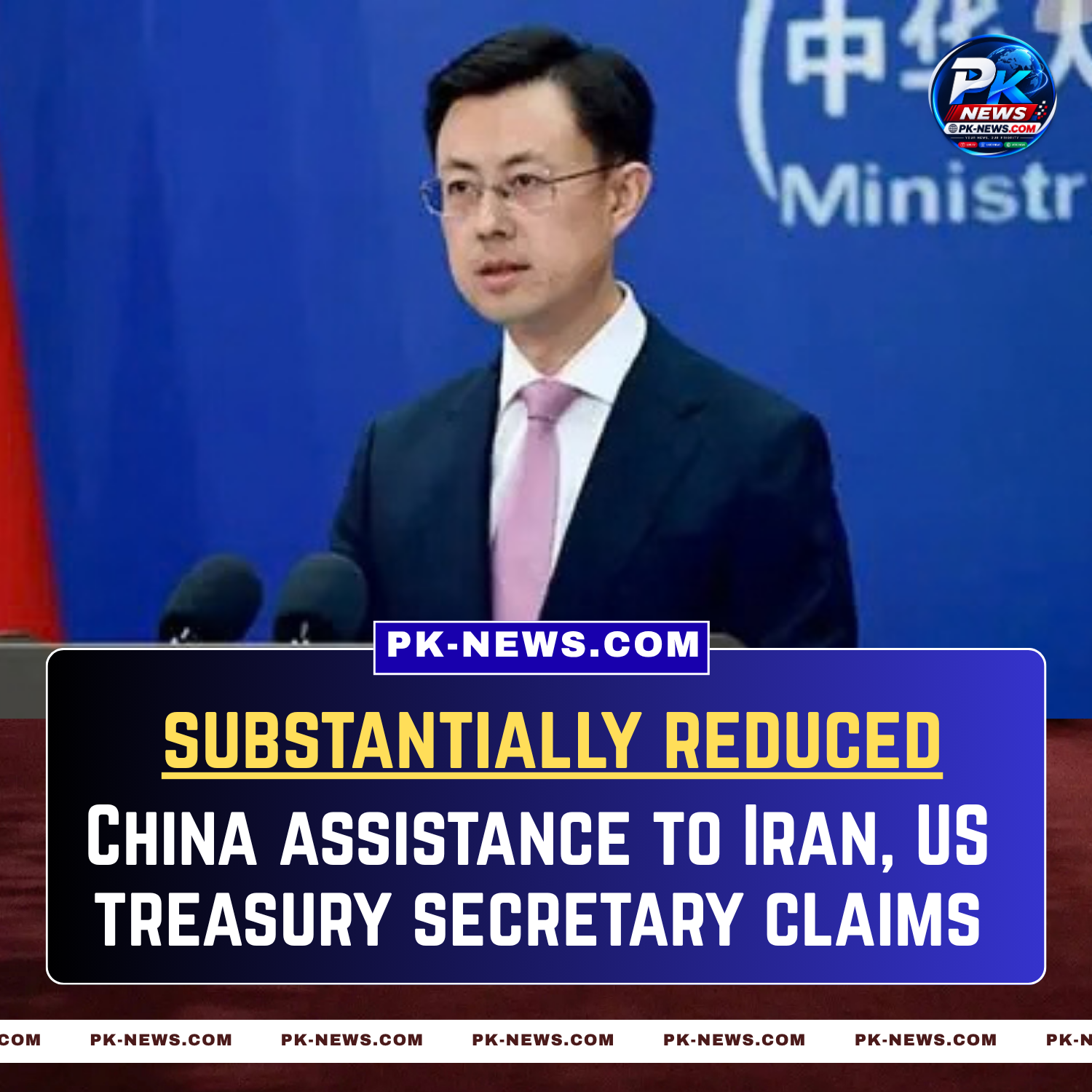
US Treasury Secretary Scott Bessent says China has substantially reduced its assistance to Iran as Washington continues its economic pressure campaign against Tehran. The claim comes amid growing tensions over Iranian oil exports, Chinese purchases of Iranian crude and the wider conflict surrounding the Strait of Hormuz.
By PK-News.com News Desk
September 27, 2026
The United States says China has substantially reduced its assistance to Iran, according to US Treasury Secretary Scott Bessent, in a development that could have important implications for Tehran's economy and its ability to maintain international trade during the ongoing Middle East crisis.
PK-News.com has reviewed the latest available reporting and statements surrounding the development. The information currently available indicates that the claim comes from the US Treasury secretary, while China's broader relationship with Iran remains an important part of the regional picture.
Bessent made the comments on September 27 during an interview with Fox News. He said Washington had seen a reduction in Chinese assistance to Iran and argued that Tehran was facing increasing economic pressure.
US Says China's Assistance to Iran Has Declined
According to Bessent, China has significantly reduced the assistance it provides to Iran.
The Treasury secretary also discussed Iranian oil shipments to China, saying that only a limited amount of Iranian oil remained at sea and predicting that Iran could soon face greater difficulty using oil exports to obtain goods and other forms of support.
Bessent said he expected Iran's remaining oil deliveries to China to be completed within approximately two weeks.
These statements were made as Washington continues efforts to increase economic pressure on Tehran.
However, the figures and assessment presented by the US Treasury secretary represent the US government's assessment and should be distinguished from independently verified measurements of China's overall assistance to Iran.
China Remains an Important Economic Partner for Iran
China has remained a major economic partner for Iran, particularly in the energy sector.
Recent reporting has highlighted China's continued importance to Iranian oil exports. Al-Monitor reported that China purchases a very large share of Iran's exported oil, while describing Beijing's relationship with Tehran as continuing despite pressure from Washington.
This makes the latest comments from Washington particularly significant.
If China's purchases of Iranian oil or other forms of assistance decline substantially, Tehran could face additional pressure on its ability to generate foreign currency and obtain imported goods.
At the same time, the extent and nature of any reduction remains an issue of ongoing reporting and debate.
Trump Administration Has Pressured Beijing
The latest statement follows direct efforts by the Trump administration to persuade China to reduce support for Iran.
US Ambassador to China David Perdue said earlier this week that President Donald Trump had asked Chinese President Xi Jinping to stop assisting Iran.
According to Perdue, Washington had raised concerns about possible Chinese assistance involving intelligence, military equipment and components. He also said the US had seen evidence that China had responded to those concerns by reducing some forms of assistance.
Those comments provide context for Bessent's latest statement.
Washington has been seeking to limit Iran's ability to maintain economic and military capabilities during the conflict, while China has continued to describe Iran as a strategic partner.
China Has Not Publicly Indicated a Complete Break With Iran
The latest US assessment does not mean that China has ended its relationship with Iran.
Recent analysis has pointed out that Beijing has continued diplomatic and economic engagement with Tehran.
Chinese officials have also criticized approaches that they believe threaten the sovereignty and security of countries in the Middle East.
During recent diplomatic discussions at the United Nations, Chinese Vice President Han Zheng called for respect for the sovereignty and security of Middle Eastern and Gulf countries.
China's position therefore remains more complicated than simply supporting or abandoning Iran.
Beijing has economic interests in maintaining access to energy supplies while also seeking to manage its relationship with Washington.
Iran's Oil Exports at the Centre of the Dispute
Iranian oil exports are particularly important to the current confrontation.
Bessent's comments focused heavily on the remaining Iranian oil shipments to China, suggesting that Washington believes economic pressure could increasingly restrict Tehran's ability to trade.
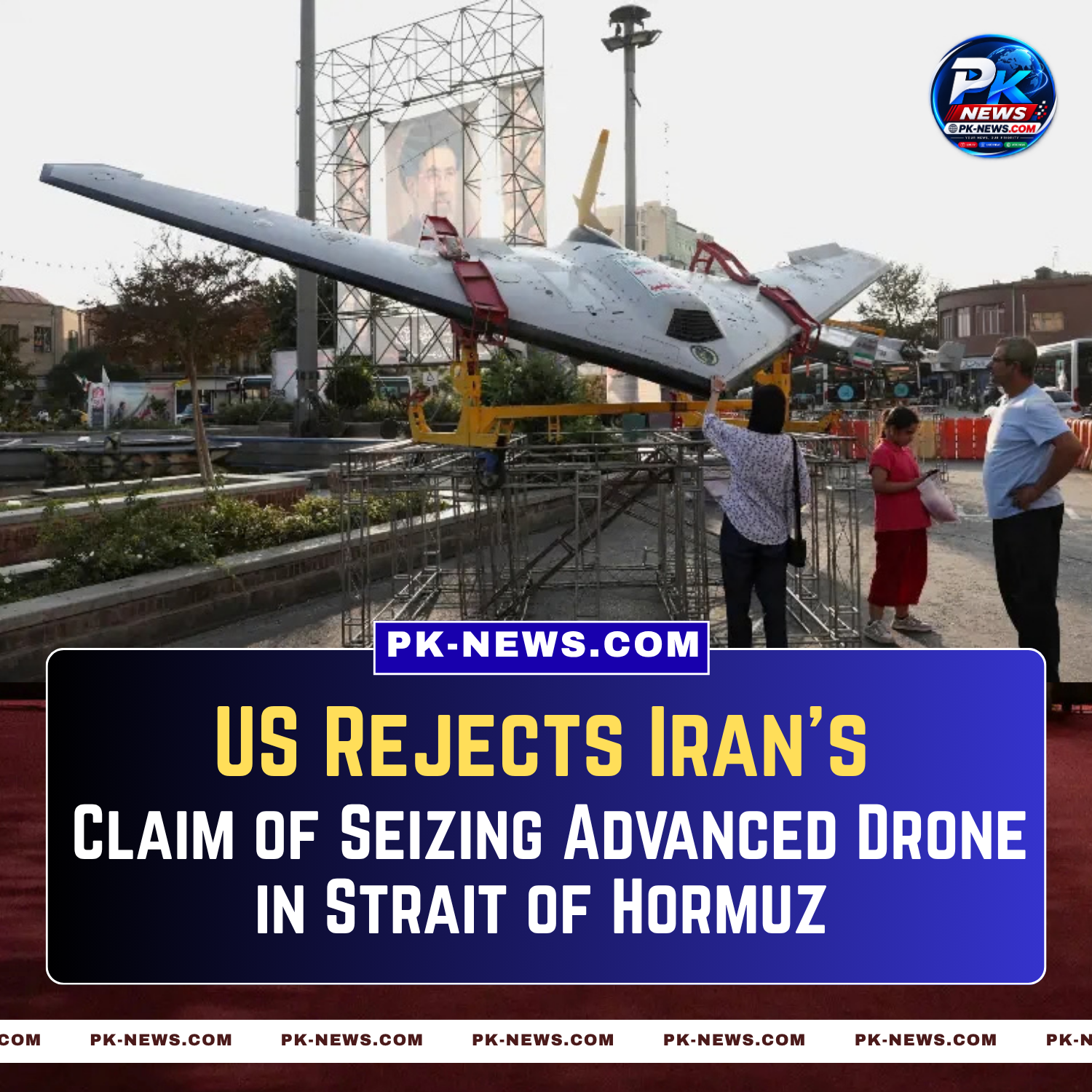
The issue is closely connected to the wider dispute over the Strait of Hormuz, a strategically important waterway through which a significant amount of global energy trade passes.
The Trump administration has been pushing for changes in Iran's position over the waterway, while Tehran has continued to reject what it describes as pressure and coercion.
Trump recently rejected an Iranian proposal that Tehran said could have allowed the Strait of Hormuz to reopen to international shipping within a week.
Why China's Position Matters
China's role could be particularly important because of its economic relationship with Iran.
If Chinese purchases of Iranian oil decline significantly, Iran could lose an important source of export revenue.
However, China's position also has wider geopolitical implications.
Beijing must balance its relationship with Tehran against its broader economic and diplomatic relationship with Washington.
Recent reporting has shown that the United States has been pressing China to limit any assistance that could strengthen Iran's military or economic position.
What Happens Next?
The key question is whether the reported reduction in Chinese assistance will continue and whether it will significantly affect Iran's economy.
Further developments could involve:
Iranian oil exports to China
Chinese purchases of Iranian crude
US sanctions and enforcement measures
Chinese diplomatic statements
Iran's response to Washington's economic pressure
Developments around the Strait of Hormuz
US-China discussions over Iran
Any substantial change in China's energy purchases from Iran could become an important indicator of how effective Washington's economic pressure campaign is becoming.
PK-News.com Monitoring the Latest Developments
PK-News.com has reviewed the latest available information and will continue monitoring developments involving the United States, China and Iran.
At present, the key point is that US Treasury Secretary Scott Bessent claims China has substantially reduced assistance to Iran, while other reporting indicates that Beijing continues to maintain important economic and diplomatic ties with Tehran.
The extent of any reduction in Chinese assistance, and its potential impact on Iran's economy, remains an evolving issue.
PK-News.com will update this report as further official statements and independently verifiable information become available.
US Treasury Secretary Scott Bessent says China has substantially reduced assistance to Iran.
Bessent also discussed Iranian oil shipments to China.
The Trump administration has previously asked Beijing to reduce assistance to Tehran.
China continues to maintain economic and diplomatic ties with Iran.
Chinese purchases of Iranian oil remain an important part of the relationship.
The Strait of Hormuz remains central to the wider confrontation.
The extent of any reduction in Chinese assistance remains subject to further reporting and verification.
1
NEW
Global
😔 Negative
US Treasury Secretary Claims China Has Substantially Reduced Assistance to Iran
Related Articles You May Like
Related News








Comments (0)
Leave a Comment
No comments yet. Be the first to comment!