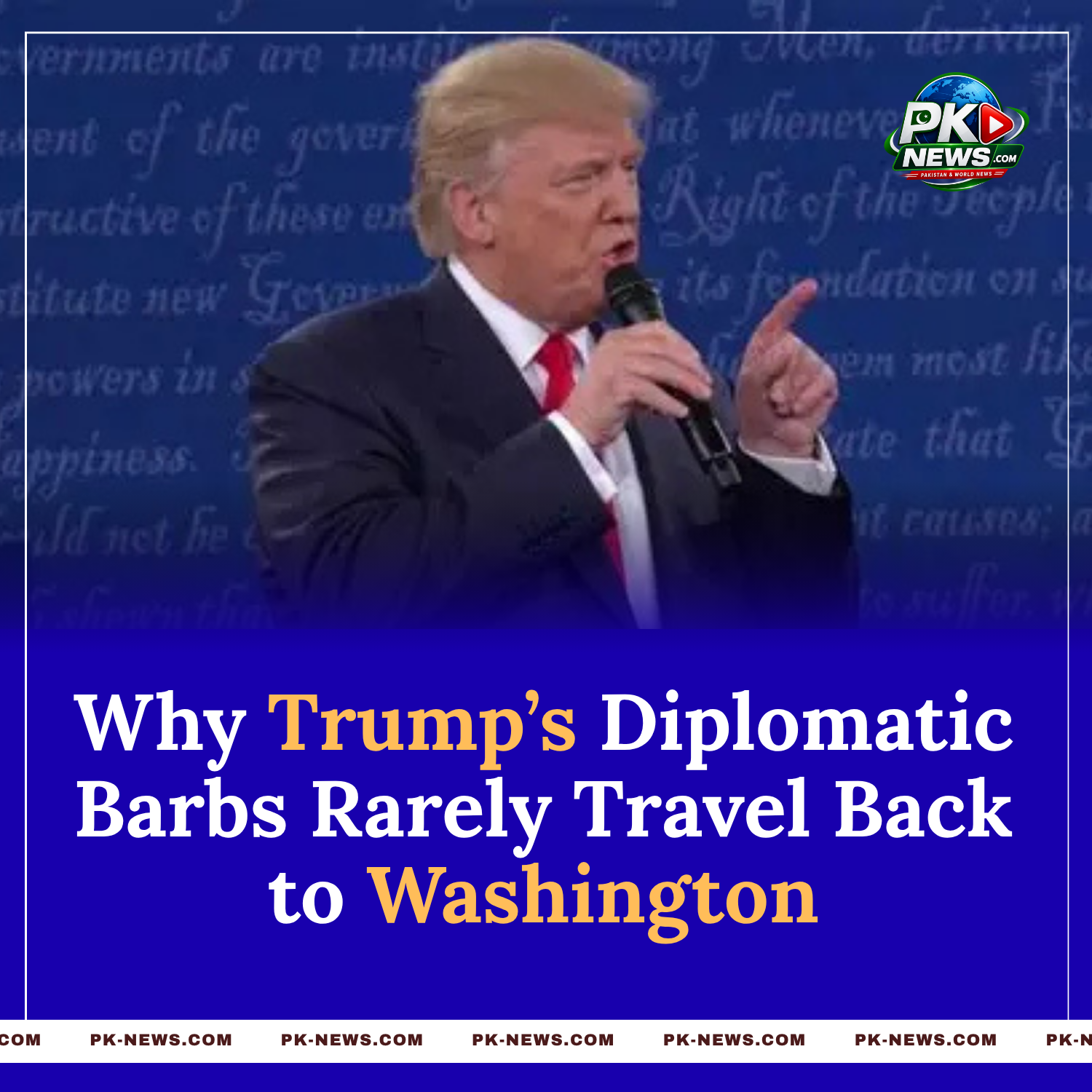
For decades, diplomacy ran on a simple rule: say less in public, and say it politely. Disagreements were settled in closed rooms and carefully worded communiqués. President Donald Trump has spent most of his political career breaking that rule. Analysts increasingly note a second pattern. Insults in Trump’s diplomacy tend to flow in one direction only.
Humiliation as a tool
One recent analysis argues that Trump’s real innovation is bringing public humiliation into routine peacetime diplomacy. The same analysis describes a worldview in which international politics is hierarchical and transactional. Power matters more than norms, alliances are conditional bargains, and respect is extracted through pressure rather than earned through cooperation.
This is not new. In 2018, a UN General Assembly speech by Trump drew a harsh reaction from European allies. One diplomat described it as a list of grievances mixed with boasts about his achievements. Reporting from the same period noted that Trump often flatters leaders by name while pursuing tough policies against their countries. Warm words for the person and hard measures for the nation are the pattern.
The leaders who stay quiet
Why does the insult rarely return? Part of the answer is leverage. Trump leads the world’s largest economy and military, and he has shown he will use tariffs and security guarantees as bargaining chips. In 2018, after Canada’s request for a one-on-one meeting was rejected, he threatened to tax Canadian car imports unless Ottawa backed down on dairy tariffs. Few capitals want to risk that kind of retaliation over a war of words.
Silence is also a strategy. Leaders who need trade deals, defense cooperation or access to Washington often choose flattery or patience. Politico reported in 2025 that officials from the Philippines and the UK said their requests for meetings with the administration had gone unanswered. In the same period, Trump mocked foreign leaders at a Republican fundraiser by imitating them begging for deals. Foreign governments, for the most part, kept their public replies measured.
When someone does push back
The exceptions show how sensitive the relationship is. In October 2025, a meeting with Australian Prime Minister Anthony Albanese turned tense after a minerals agreement was signed. Trump reportedly learned that a diplomat in the room, Kevin Rudd, had previously criticized him. Trump told him that if he had said something bad, he might want to apologize. The incident is often cited as a sign that past criticism is not forgotten.
A similar dynamic plays out with American critics abroad. California Governor Gavin Newsom, a Democratic presidential hopeful, went to Davos and urged European leaders to stop “rolling over” to Trump. At the Munich Security Conference he said leaders who bend to the White House make themselves look pathetic on the world stage. Trump answered by warning British leaders against partnering with Newsom after the governor signed a clean energy agreement with the UK. The exchange shows how domestic rivalries now spill onto the global stage, with foreign governments caught in the middle.
Envoys who follow the lead
The tone is not limited to the president. A report in August 2025 observed that Trump’s diplomats have a record of annoying foreign governments. A former senior State Department official said Trump liked the publicity these incidents brought. He sometimes sent the ambassadors congratulatory notes when their actions made the news. The message to envoys is that confrontation is rewarded, not corrected.
What it costs
Supporters argue that the approach works. They say bluntness cuts through diplomatic fog, extracts concessions that polite negotiation never would, and plays well with American voters who like to see their president stand up to foreign governments. One analyst noted that many Americans enjoy hearing Trump insult his critics.
Critics see a bill that will come due. A basic principle of diplomacy holds that one should not antagonize opponents unnecessarily. Analysts point out that one of America’s biggest assets in its rivalry with China is its network of allies, whereas Beijing has very few. If allies feel humiliated rather than respected, they may hedge, quietly looking for other partners and other markets. The same analysis that describes humiliation as a tool concedes that it remains uncertain whether such tactics strengthen deterrence or erode trust.
The view from Islamabad and beyond
For countries like Pakistan, which balance relations with Washington, Beijing and the Gulf, the lesson is practical. Personal rapport with the president can open doors, but it does not guarantee that policy will follow. Governments across the developing world are watching how allies and rivals are treated, and many are drawing the same conclusion. Public criticism of Washington carries risk, while quiet engagement carries fewer costs, at least in the short term.
A street with traffic in only one direction
None of this means Trump never receives criticism. European newspapers, opposition governors and foreign officials have been loud, as they were the first time around. What differs is the consequence. Criticism of Trump tends to be answered with tariffs, cold shoulders and public rebukes, while Trump’s own barbs seldom produce a comparable cost for him. For now, the one-way street remains open, and most world leaders have decided it is wiser not to drive against the traffic.
Whether that arrangement lasts depends on factors no single leader controls, including American elections, the strength of the US economy and whether partners find alternatives. Until then, diplomats will keep weighing the same question in every meeting, which is how much a moment of pride is worth against the cost of angering the world’s most powerful man.
Report: pk-news.com
26
NEW
Global
😐 Neutral
Why Trump’s Diplomatic Barbs Rarely Travel Back to Washington
Related Articles You May Like
Related News







Comments (0)
Leave a Comment
No comments yet. Be the first to comment!