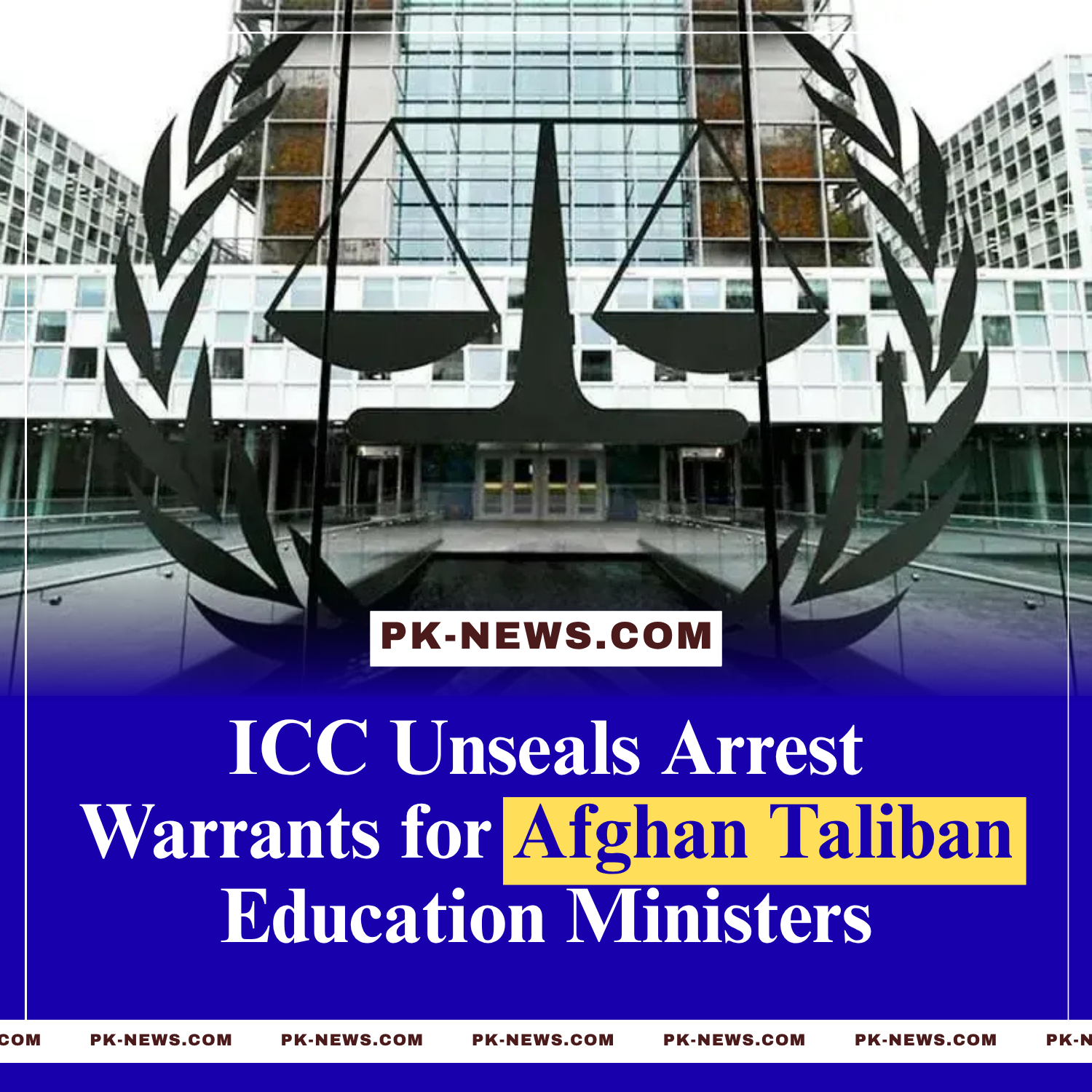
ICC Unseals Four Taliban Arrest Warrants
THE HAGUE — The International Criminal Court (ICC) has unsealed four arrest warrants against senior Taliban figures, including Afghanistan's education and higher education ministers, accusing them of responsibility for the alleged crime against humanity of gender persecution.
The ICC's Pre-Trial Chamber II announced the decision on October 5, 2026, saying the warrants had originally been issued in 2025 but remained sealed. The four individuals named are Taliban supreme leader Haibatullah Akhundzada, Chief Justice Abdul Hakim Haqqani, Education Minister Habibullah Agha and Higher Education Minister Neda Mohammad Nadim.
Education Ministers Among Those Wanted
The warrants against Habibullah Agha and Neda Mohammad Nadim were issued on September 9, 2025, while the warrants against Akhundzada and Haqqani were issued on July 8, 2025. The ICC has now made the existence and details of all four warrants public, with redactions in the published documents.
The court says there are reasonable grounds to believe that the suspects ordered, induced or solicited persecution on gender grounds against girls, women and other people whose gender identity or expression was considered inconsistent with Taliban policies. The allegations also cover persecution on political grounds against people perceived as allies of girls and women.
Allegations Focus on Restrictions on Women and Girls
The ICC's case focuses heavily on restrictions imposed on women and girls following the Taliban's return to power in August 2021.
According to the court, Taliban policies have severely restricted fundamental rights, including access to education, freedom of movement, freedom of expression, privacy and family life. The court said these policies specifically targeted women and girls because of their gender.
Girls' Education Restrictions
The education policies imposed by the Taliban have become one of the central issues in the international community's criticism of Afghanistan's authorities.
The ICC says girls and women were deprived of their right to education through Taliban decrees and policies. Afghanistan remains the only country where girls are prohibited from secondary education and women are barred from attending universities, according to UN Women, as reported by Reuters.
Alleged Crimes Against Humanity
The ICC alleges that the persecution occurred in connection with acts including murder, imprisonment, torture, rape and enforced disappearance.
The court says the four suspects allegedly implemented a governmental policy resulting in severe violations of fundamental rights and freedoms of Afghanistan's civilian population. The allegations cover conduct on Afghan territory from the Taliban's seizure of power on August 15, 2021, through at least January 20, 2025.
These are allegations contained in the ICC warrants and do not constitute final convictions. The suspects remain legally presumed innocent unless and until guilt is established through the applicable judicial process.
Why the ICC Unsealed the Warrants
The ICC said it decided to unseal the four warrants after considering whether publication could harm ongoing investigations. The court concluded that making the warrants public would not unduly affect the proceedings.
The ICC also indicated that publicising the warrants could help encourage international cooperation in relation to the Afghanistan situation.
Taliban Leaders Remain at Large
The practical enforcement of the warrants remains a major challenge.
The Taliban remain in control of Afghanistan, while the ICC does not have its own police force to arrest suspects. The court therefore depends on states and other authorities to execute arrest warrants when suspects are within their jurisdiction.
The ICC currently lists the named Taliban suspects as at large.
International Pressure on Taliban Authorities
The unsealing of the warrants is likely to increase international pressure on Taliban authorities over their treatment of women and girls.
The ICC's action gives the allegations a formal international judicial dimension and places additional attention on policies that have already generated widespread criticism from governments, international organisations and human-rights groups.
ICC Afghanistan Investigation
The ICC's Afghanistan investigation covers alleged crimes committed in Afghanistan since May 1, 2003. Afghanistan became a party to the Rome Statute in 2003, giving the ICC jurisdiction over crimes within the court's jurisdiction committed on Afghan territory or by Afghan nationals from that date.
The court authorised a formal investigation in 2020 following an appeals decision that allowed the prosecutor to proceed with the Afghanistan situation. The current proceedings represent one part of the ICC's broader investigation.
Significance for Afghanistan
The warrants mark a significant development in the international legal scrutiny of Afghanistan's current authorities.
By naming senior officials responsible for education and higher education, the ICC has placed the Taliban's restrictions on women's and girls' education directly within the court's investigation into alleged crimes against humanity.
The development could also affect Afghanistan's already complicated relationship with the international community.
Taliban Response Awaited
Afghan Taliban authorities had not immediately provided a response to the ICC announcement in the reports available at publication time.
A response from Kabul could influence the next stage of international discussion, particularly concerning the Taliban's position toward the ICC, international legal proceedings and accusations relating to its policies toward women and girls.
What Happens Next?
The unsealing of the warrants does not automatically mean that the suspects will be arrested. Their enforcement depends heavily on international cooperation and the ability of authorities in countries where the suspects might travel to act on the ICC warrants.
The court will continue its Afghanistan proceedings, while governments and international organisations will watch how the Taliban respond to the latest legal development.
PK-News.com Analysis
The ICC's decision represents a major development in the international legal scrutiny of Afghanistan's Taliban authorities. Four senior figures are now publicly identified in arrest warrants connected to alleged gender-based persecution, including the country's education and higher education ministers.
The case is particularly significant because education restrictions are at the centre of the allegations. The ICC says Taliban policies have deprived girls and women of fundamental rights, including access to education and freedom of movement and expression.
While the warrants create additional international pressure, their practical enforcement remains uncertain because the suspects are currently at large and the Taliban remain in control of Afghanistan.
PK-News.com Update
The International Criminal Court on October 5, 2026, unsealed four arrest warrants issued against senior Taliban figures, including Education Minister Habibullah Agha and Higher Education Minister Neda Mohammad Nadim.
The ICC says the suspects are allegedly responsible for the crime against humanity of persecution on gender grounds and related persecution of people perceived as allies of women and girls. The allegations concern policies implemented after the Taliban returned to power in 2021.
The development is expected to increase international scrutiny of Afghanistan's Taliban authorities, particularly over restrictions affecting women's and girls' education and participation in public life.
This article was developed and researched by PK-News.com based on information from the International Criminal Court and international news reports available on October 5, 2026.
Key Points
Organization: International Criminal Court (ICC)
Date: October 5, 2026
Warrants: Four senior Taliban figures
Education Minister: Habibullah Agha
Higher Education Minister: Neda Mohammad Nadim
Taliban Supreme Leader: Haibatullah Akhundzada
Chief Justice: Abdul Hakim Haqqani
Main allegation: Crime against humanity of persecution on gender grounds
Focus: Restrictions on women and girls
Status: Suspects listed as at large
Country: Afghanistan
0
NEW
Global
😔 Negative
ICC Unseals Arrest Warrants for Afghan Taliban Education Ministers
Related Articles You May Like
Related News








Comments (0)
Leave a Comment
No comments yet. Be the first to comment!