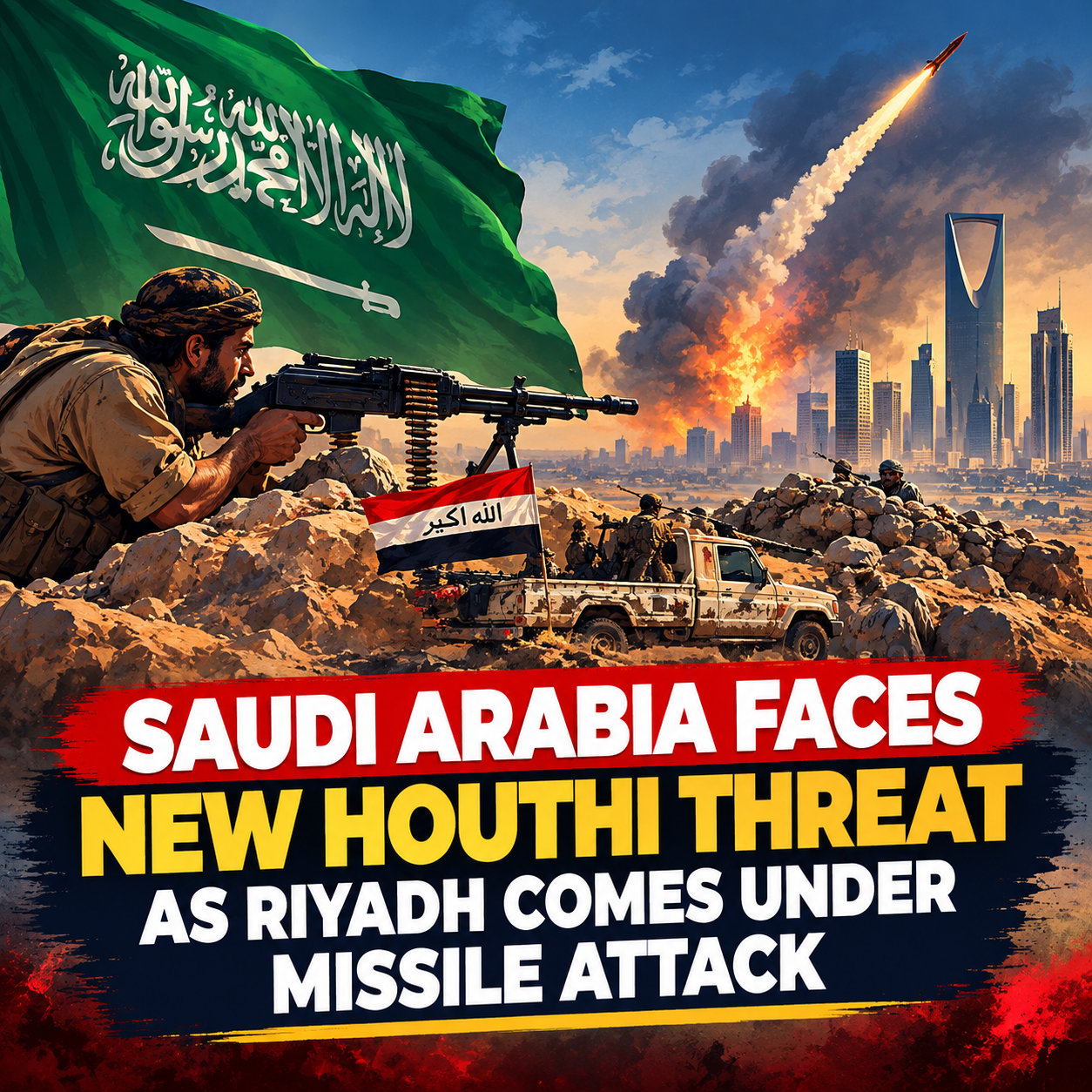
Riyadh — September 21, 2026: Tensions between Saudi Arabia and Yemen’s Houthi movement have entered a dangerous new phase after a missile was launched toward the Saudi capital Riyadh, intensifying concerns that the renewed conflict could spread beyond Yemen and further destabilize the wider Middle East.
The latest escalation follows weeks of fighting between the Houthis and forces backed by Saudi Arabia. Saudi authorities said their air defenses intercepted and destroyed a ballistic missile heading toward Riyadh on September 19. The incident triggered an air-raid warning in the capital, while explosions and a large plume of smoke were reported near the area of King Khalid International Airport. Saudi authorities said there were no reported casualties from the intercepted missile.
The Houthis claimed responsibility for attacks involving missiles and drones against what they described as sensitive sites in Riyadh. The group also said it targeted an Aramco facility in Yanbu. Reuters reported that the attacks came amid an intensifying confrontation between the Houthis and Saudi Arabia.
A Conflict Expanding Beyond Yemen
The renewed confrontation represents one of the most serious escalations between the two sides since the large-scale fighting was reduced by a UN-brokered truce in 2022. The ceasefire significantly reduced cross-border attacks, although it did not resolve Yemen's underlying political and military divisions.
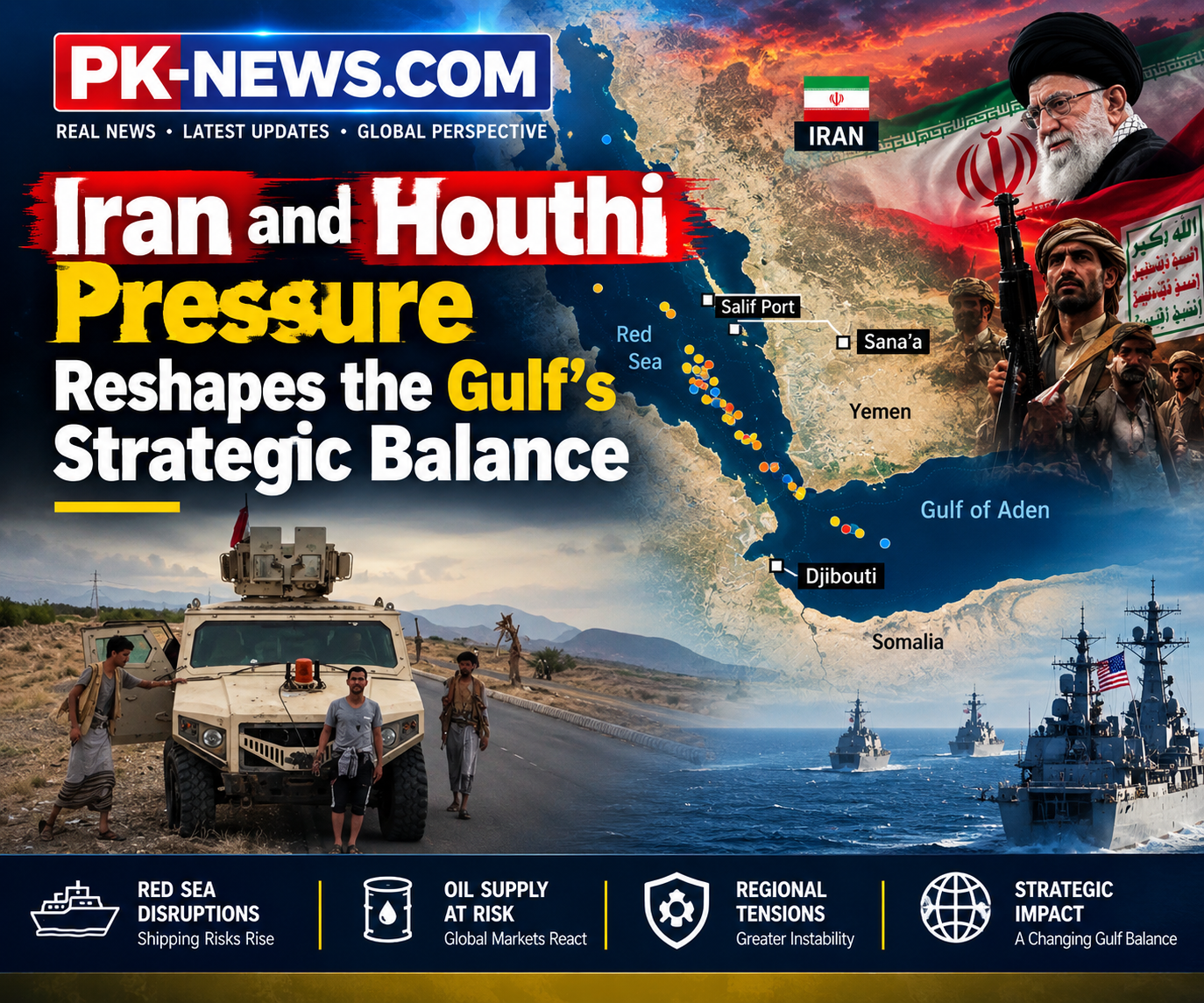
Recent developments have changed the situation dramatically. The Houthis have made rapid territorial gains in western Yemen and have moved toward strategically important areas around the Red Sea and Bab el-Mandeb Strait. Reuters reported that the group's advance has increased its influence over one of the world's most important maritime chokepoints.
The Bab el-Mandeb is particularly important because it connects the Red Sea with the Gulf of Aden and is a major route for international shipping. Any prolonged disruption could affect commercial shipping, energy supplies and insurance costs well beyond the immediate region.
The Council on Foreign Relations has also described the renewed fighting as a serious threat to regional stability, noting that the conflict that quieted after the 2022 ceasefire has once again intensified.
Riyadh Under Pressure
The missile attack on Riyadh has raised questions about how Saudi Arabia will respond.
Saudi officials have repeatedly said they will protect the country's territory and civilian infrastructure. Saudi authorities previously reported attacks involving ballistic missiles and drones against several cities, including Khamis Mushait, Abha and Taif, with injuries and property damage reported after attacks on September 14.
The September 19 attack was particularly significant because Riyadh itself had not experienced this kind of air-raid alert during the current escalation. Reports of smoke near King Khalid International Airport highlighted the potential vulnerability of important civilian and energy infrastructure.
The Houthis, meanwhile, have warned that further escalation against them could produce a stronger response. Their leadership has also warned countries considering military assistance to Saudi Arabia against becoming directly involved in the Yemen conflict.
Diplomatic Efforts Continue
Despite the military escalation, diplomatic channels have not completely disappeared.
Oman has historically played an important mediation role between the Houthis and outside governments. Recent reporting indicates that discussions involving the United States and Houthi representatives have taken place through Omani mediation, while regional governments have also explored ways to prevent the conflict from expanding.
The Houthis have said they remain open to certain diplomatic arrangements, while demanding changes to what they describe as Saudi restrictions and military pressure. At the same time, Saudi Arabia faces pressure to protect its territory and prevent the Houthis from establishing an even stronger military position along strategic waterways.
This creates a difficult situation: military pressure could weaken Houthi capabilities, but a broader ground offensive could also create a prolonged conflict with significant humanitarian and economic consequences.
Regional Powers Watching Closely
The confrontation is also taking place against the background of a much wider regional crisis involving Iran, Israel, the United States and several Gulf countries.
Saudi Arabia has sought international and regional support as the situation deteriorates. Recent reporting has highlighted diplomatic contacts involving countries including Egypt, China, Turkey and others. The possibility of wider involvement has raised concerns that a conflict that began around Yemen could develop into a broader regional confrontation.
The Houthis' growing influence around Bab el-Mandeb adds another international dimension. The waterway is not simply a Saudi-Yemeni issue; disruption there could affect vessels traveling between Europe, Asia and the Middle East.
Reuters reported that Saudi and Gulf markets also came under pressure following the attacks on Riyadh, demonstrating how quickly military developments can affect regional economic confidence.
What Happens Next?
The central question is whether Saudi Arabia will respond with a major military campaign or continue combining limited military action with diplomatic efforts.
Saudi Arabia possesses substantially greater conventional military capabilities than the Houthis, but the Yemen conflict has demonstrated that military superiority does not automatically produce a quick political settlement. The Houthis have developed experience in missile, drone and asymmetric warfare, while Yemen's political and military landscape remains highly fragmented.
Another major concern is the humanitarian impact. The renewed fighting has already caused additional displacement and increased fears of further deterioration in Yemen, one of the world's most vulnerable humanitarian environments. Recent reports have put new displacement linked to the escalation at more than 100,000 people.
For now, the situation remains fluid. Further missile or drone attacks could trigger a stronger Saudi response, while diplomatic intervention could still create an opportunity for a temporary ceasefire.
The coming days will be critical for determining whether the latest escalation remains concentrated around Yemen and Saudi Arabia or becomes part of a much larger regional conflict.
PK-News.com will continue monitoring developments involving Saudi Arabia, Yemen, the Houthis, Iran, the Red Sea and the wider Middle East. For the latest verified updates, breaking news and international developments, keep checking PK-News.com.
More updates coming soon — stay connected with PK News for verified breaking news and international coverage.
0
NEW
International
😔 Negative
Saudi Arabia Faces New Houthi Threat as Riyadh Comes Under Missile Attack
Related Articles You May Like
Related News







Comments (0)
Leave a Comment
No comments yet. Be the first to comment!