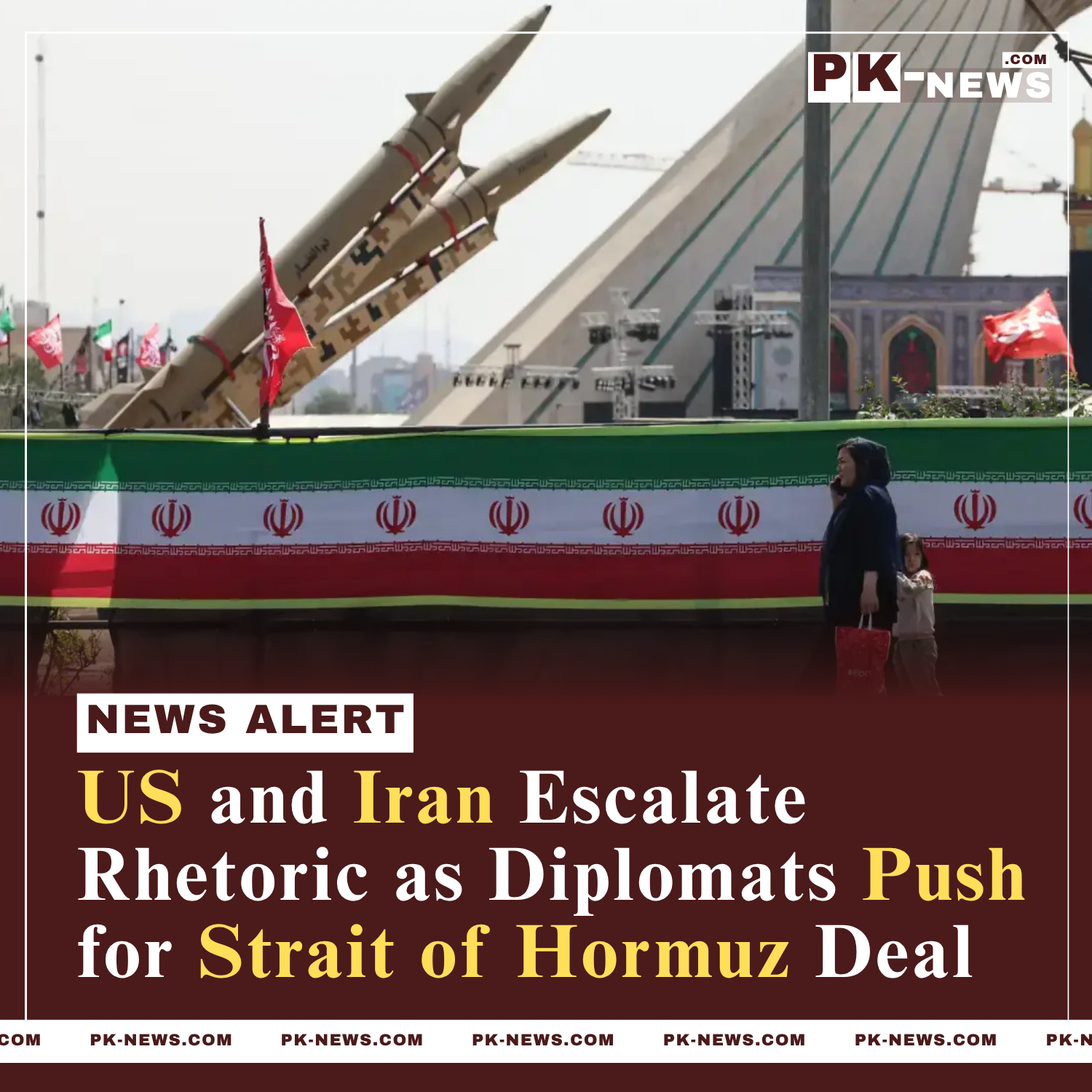
The United States and Iran have intensified their public rhetoric as Qatar-mediated diplomacy continues over a possible agreement to reopen the Strait of Hormuz. President Donald Trump says Iran will eventually give up, while Iranian officials have warned that regional infrastructure could face consequences if Tehran's security demands are not addressed.
By PK-News.com | September 30, 2026
WASHINGTON/TEHRAN — The United States and Iran have sharply intensified their public rhetoric as diplomatic efforts continue behind the scenes to find a possible agreement over the Strait of Hormuz and the wider conflict.
Qatar is continuing to exchange messages between Washington and Tehran, with mediators attempting to establish common ground for an agreement. However, major disagreements remain over sanctions, Iran's nuclear programme, the reopening of the strategic waterway and the sequence of commitments expected from both sides.
The latest exchange of statements has added uncertainty to negotiations that diplomats are trying to keep alive.
Trump Says Iran Will Eventually Give Up
US President Donald Trump told reporters that Iran would eventually give up, while also claiming that the United States had moved record amounts of oil through the Strait of Hormuz in recent days.
Trump did not provide figures to substantiate the claim in the remarks reported on September 30.
His comments came as diplomatic contacts continued through Qatar and as Washington maintained pressure on Tehran over its nuclear programme and regional security.
Trump has repeatedly said that preventing Iran from obtaining a nuclear weapon remains a central US objective.
Iran, however, denies seeking nuclear weapons and says its nuclear programme has civilian purposes.
Iran Issues Warning Over Regional Infrastructure
Iranian Parliament Speaker Mohammad Bagher Ghalibaf responded by warning that regional infrastructure could become unsafe if Iran's security is not guaranteed.
Ghalibaf linked the security of the region to the movement of oil, saying that if Iran cannot sell its oil, other countries should not expect uninterrupted oil exports.
The remarks represent Iran's stated position and amount to a warning during an already tense period of negotiations.
The statements have raised concerns about the possibility that continued diplomatic failure could lead to further disruption around the Gulf and surrounding energy infrastructure.
Qatar Continues Shuttle Diplomacy
Qatar remains one of the main channels between Washington and Tehran.
Qatari Foreign Ministry spokesman Majed al-Ansari said Doha was exchanging messages with both sides and working toward common ground.
The goal is to find an arrangement that could end the conflict and restore normal commercial movement through the Strait of Hormuz.
Iranian Foreign Minister Abbas Araghchi has also met Qatari mediators and said the discussions focused on Tehran's proposal for reopening the waterway.
Araghchi said Qatar would present ideas discussed with Iran to the American side and then communicate Washington's response back to Tehran.
Hormuz Proposal Remains at the Centre
Iran has proposed reopening the Strait of Hormuz under specific conditions.
According to recent reporting, Tehran's proposal includes demands involving the US naval blockade, sanctions affecting Iranian oil exports, frozen Iranian funds and the wider military confrontation.
Iran has also indicated that reopening the waterway would be connected to fulfilment of its conditions rather than being an unconditional step.
President Trump previously rejected Iran's latest proposal, describing it as unacceptable.
Despite that public rejection, Iranian officials have continued to wait for what they describe as an official response through mediators.
Nuclear Issue Remains a Major Obstacle
The nuclear issue is one of the biggest differences between Washington and Tehran.
US officials have said there will be no comprehensive agreement unless Iran's nuclear programme is addressed.
Iran has maintained that it will not accept negotiations conducted through coercion.
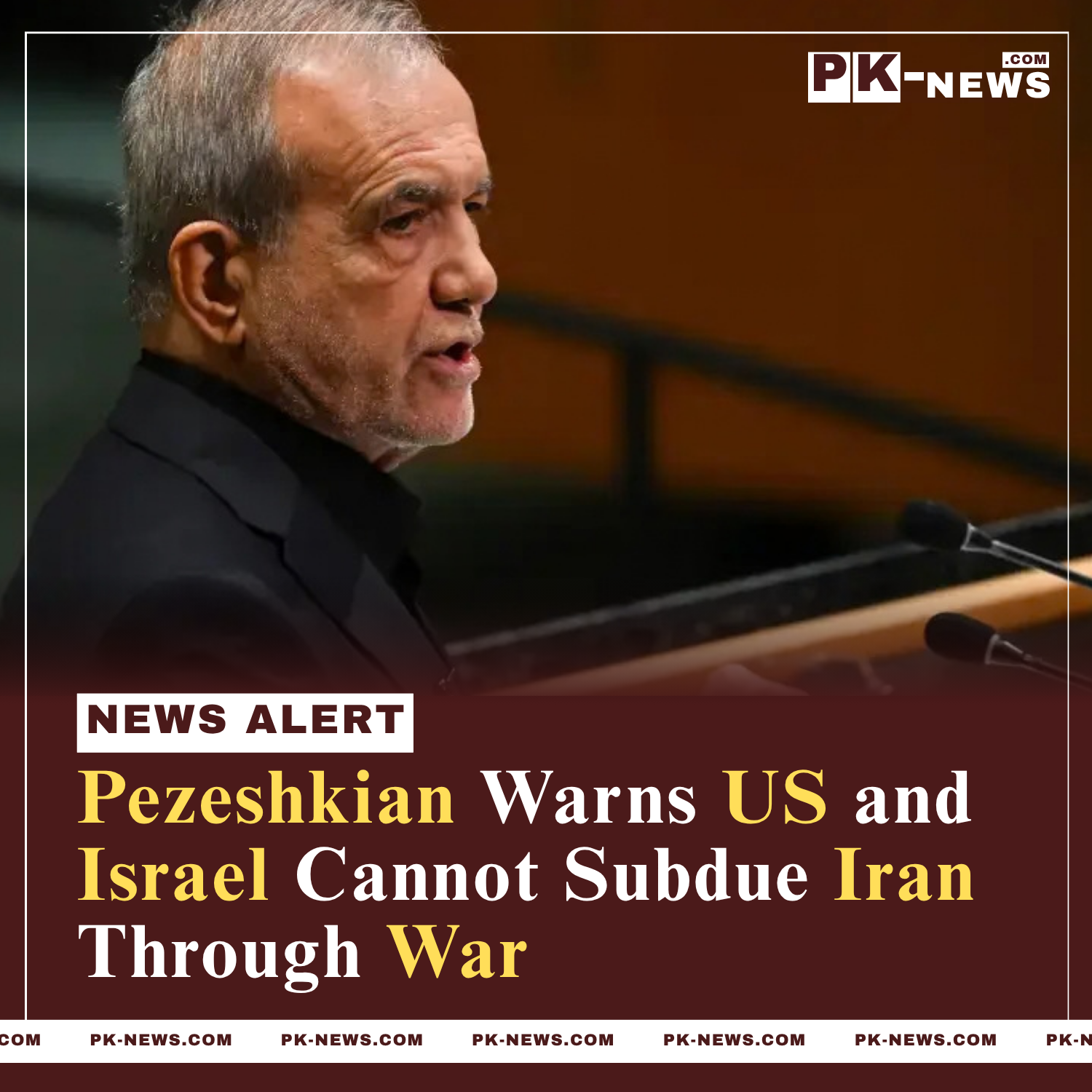
President Masoud Pezeshkian has said Tehran remains prepared to discuss its nuclear programme and other issues, but Iran continues to reject conditions it considers unacceptable.
This disagreement means that even if progress is made on Hormuz, a broader settlement could still require further negotiations.
Why Hormuz Matters to the World
The Strait of Hormuz is one of the world's most important energy routes.
Before the current conflict, enormous volumes of oil and gas moved through the waterway, connecting Gulf producers with international markets.
Disruption has therefore affected shipping, energy supplies and oil prices well beyond the Middle East.
The current situation has also created uncertainty for countries that depend on imported energy, including countries in Asia.
For Pakistan, developments around Hormuz are particularly important because changes in international oil prices can affect domestic fuel costs, transport and inflation.
Oil Markets Closely Watching the Talks
International oil markets are reacting to every major development involving the United States, Iran and Hormuz.
Recent reports indicate that oil prices remain sensitive to both the possibility of a diplomatic breakthrough and the risk of continued disruption.
The possibility of increased oil flows has put downward pressure on prices at times, while renewed tensions have created fresh concerns about supply.
This creates a difficult balance for energy markets: diplomacy could restore larger flows, while an escalation could restrict supplies again.
Iran Faces Economic Pressure
Iran's domestic economic situation has also deteriorated amid the prolonged conflict and sanctions.
The Iranian rial recently fell beyond 2.5 million to the US dollar, according to Associated Press reporting, marking another record low.
The currency crisis comes after years of sanctions and additional economic pressure linked to the current conflict.
The economic situation adds pressure on Tehran while negotiations continue.
US Also Maintains Economic Pressure
Washington has continued its economic campaign against Iran.
The United States has imposed additional sanctions on individuals and entities accused of helping Iran obtain military equipment and components.
The latest measures have included targets connected to Iran's military supply network in several countries.
At the same time, US officials have discussed the possibility of sanctions relief as part of a potential final agreement, provided Iran makes concrete progress on nuclear issues.
However, Trump has publicly denied reports that he had already offered Tehran sanctions relief.
No Final Agreement Yet
Despite the continuing diplomatic contacts, Washington and Tehran have not announced a final agreement.
The main unresolved questions include:
When would the Strait of Hormuz reopen?
What conditions would Iran accept?
Would the United States lift or ease sanctions?
What nuclear commitments would Tehran make?
What guarantees would Iran receive?
Which side would take the first step?
Qatar's mediation could help narrow these differences, but the public rhetoric indicates that the negotiations remain difficult.
A Critical Moment for the Region
The latest exchange between Washington and Tehran comes at a particularly sensitive moment.
On one side, diplomats are attempting to create a pathway toward negotiations and restore commercial traffic through Hormuz.
On the other, both governments continue making strong public statements designed to reinforce their respective positions.
Iran says it will not reopen the waterway without its conditions being addressed, while Washington continues to demand progress on nuclear and security issues.
The outcome could affect not only the two countries but also global energy markets, shipping routes and economies that depend on Gulf oil supplies.
What Happens Next?
The next major development could come through the Qatar-mediated communication channel.
Iran is awaiting Washington's position on its proposal, while the United States continues to insist that any lasting settlement must address the nuclear issue.
If diplomats reach an understanding over Hormuz, commercial shipping could gradually increase and pressure on energy markets could ease.
If negotiations break down, however, the confrontation could continue with further consequences for regional security and global oil supplies.
For now, the situation remains fluid, with diplomatic contacts continuing while Washington and Tehran maintain sharply different public positions.
PK-News.com will continue monitoring the US-Iran negotiations, the Strait of Hormuz, oil markets and the wider Middle East crisis.
Developed by PK-News.com
0
NEW
Global
😔 Negative
US and Iran Escalate Rhetoric as Diplomats Push for Strait of Hormuz Deal
Related Articles You May Like
Related News




Comments (0)
Leave a Comment
No comments yet. Be the first to comment!