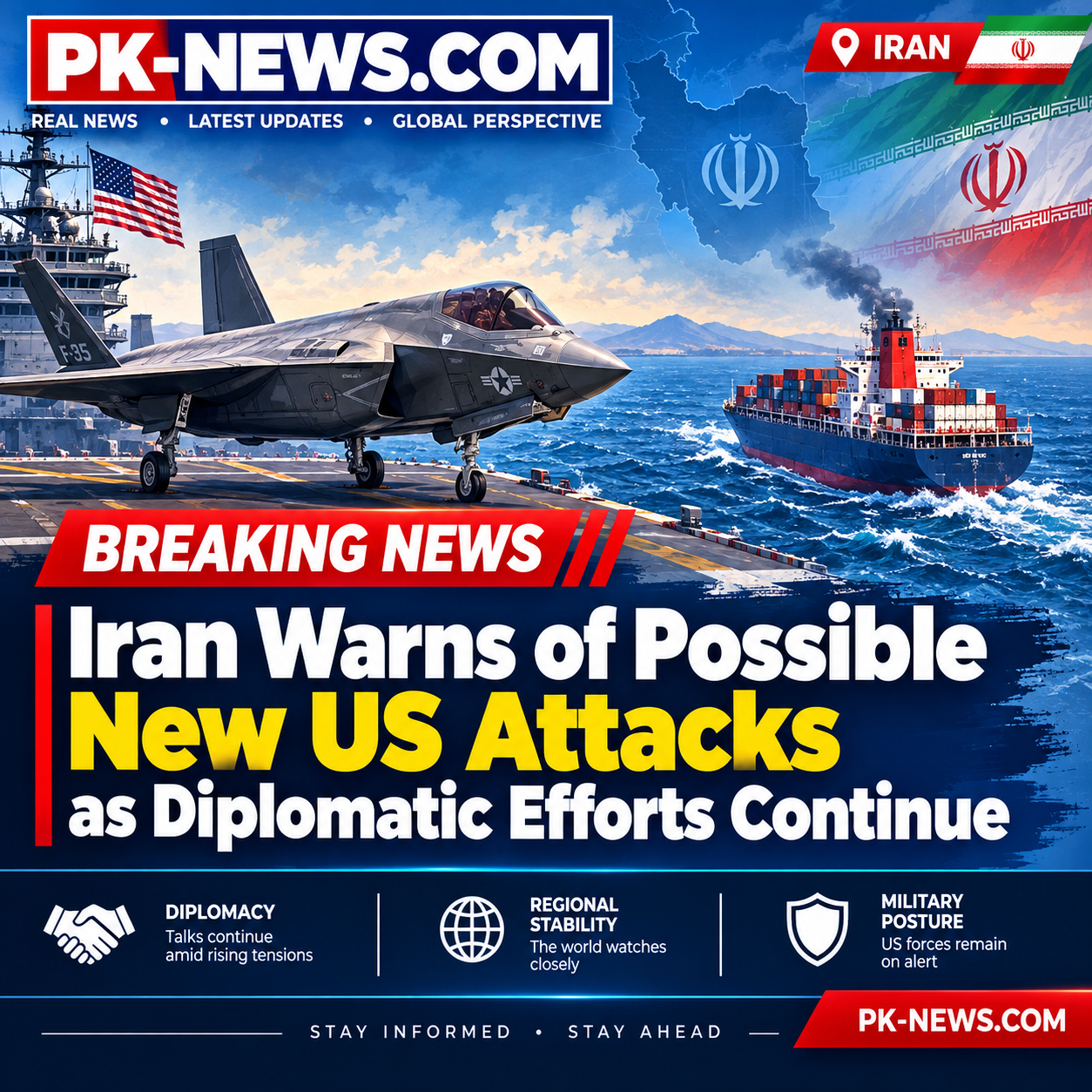
Iran has warned that it is preparing for the possibility of renewed military action by the United States, while diplomatic efforts continue behind the scenes to prevent another major escalation across the Middle East.
Iranian officials have said intelligence gathered by the country indicates that Washington could resume attacks against Iranian territory. However, such claims represent Iran's assessment and have not independently established that a new US attack is imminent.
Iran's Supreme National Security Council Secretary Mohsen Rezaei has taken a particularly strong position, saying Tehran is prepared to respond if American forces launch another attack. At the same time, Iranian officials have continued to signal that diplomacy remains possible.
Iran's Conditions for Renewed Talks
According to recent reporting, Tehran has communicated conditions for returning to negotiations through Qatari mediators.
Among the demands publicly identified by Rezaei are:
An end to fighting on all fronts
The release of frozen Iranian assets
An end to the US naval blockade
Iran has also indicated that it is waiting for a response from Washington. Qatar has been working as an intermediary, while Pakistan has also remained involved in diplomatic efforts between the two sides.
The diplomatic channel is significant because the conflict has already placed enormous pressure on regional security, energy markets and international shipping.
Strait of Hormuz Remains Central
One of the biggest issues in the confrontation is the Strait of Hormuz, a critical waterway connecting the Persian Gulf with international shipping routes.
Iran has linked the reopening of the strait to broader political and security conditions. Recent discussions involving Iran and Oman have also focused on creating arrangements that could allow shipping to resume under specific conditions.
Any prolonged disruption around Hormuz has consequences far beyond Iran and the United States. Energy shipments, oil prices, insurance costs and international supply chains can all be affected by instability around the waterway.
Military Pressure and Diplomatic Pressure
The current situation is developing along two tracks.
On one side, Iranian officials are warning that another attack would produce a strong military response. Iranian statements have also warned regional countries against allowing their territory or military facilities to be used for attacks against Iran.
On the other side, diplomatic contacts have not completely stopped.
Qatar has continued efforts to bring Washington and Tehran closer to negotiations, while Pakistan has also maintained a mediation role. Recent reporting indicates that Iranian officials remain willing to consider negotiations, although Tehran has attached significant conditions to any renewed process.
This creates an increasingly complicated situation: military preparations and threats are continuing while diplomatic channels remain open.
Why the Situation Matters Beyond the Region
The consequences of another escalation would not necessarily remain limited to the battlefield.
The wider Middle East is already experiencing pressure involving oil production, shipping routes and regional security. Recent developments around the Strait of Hormuz and attacks involving regional infrastructure have contributed to higher oil prices and increased uncertainty in global markets.
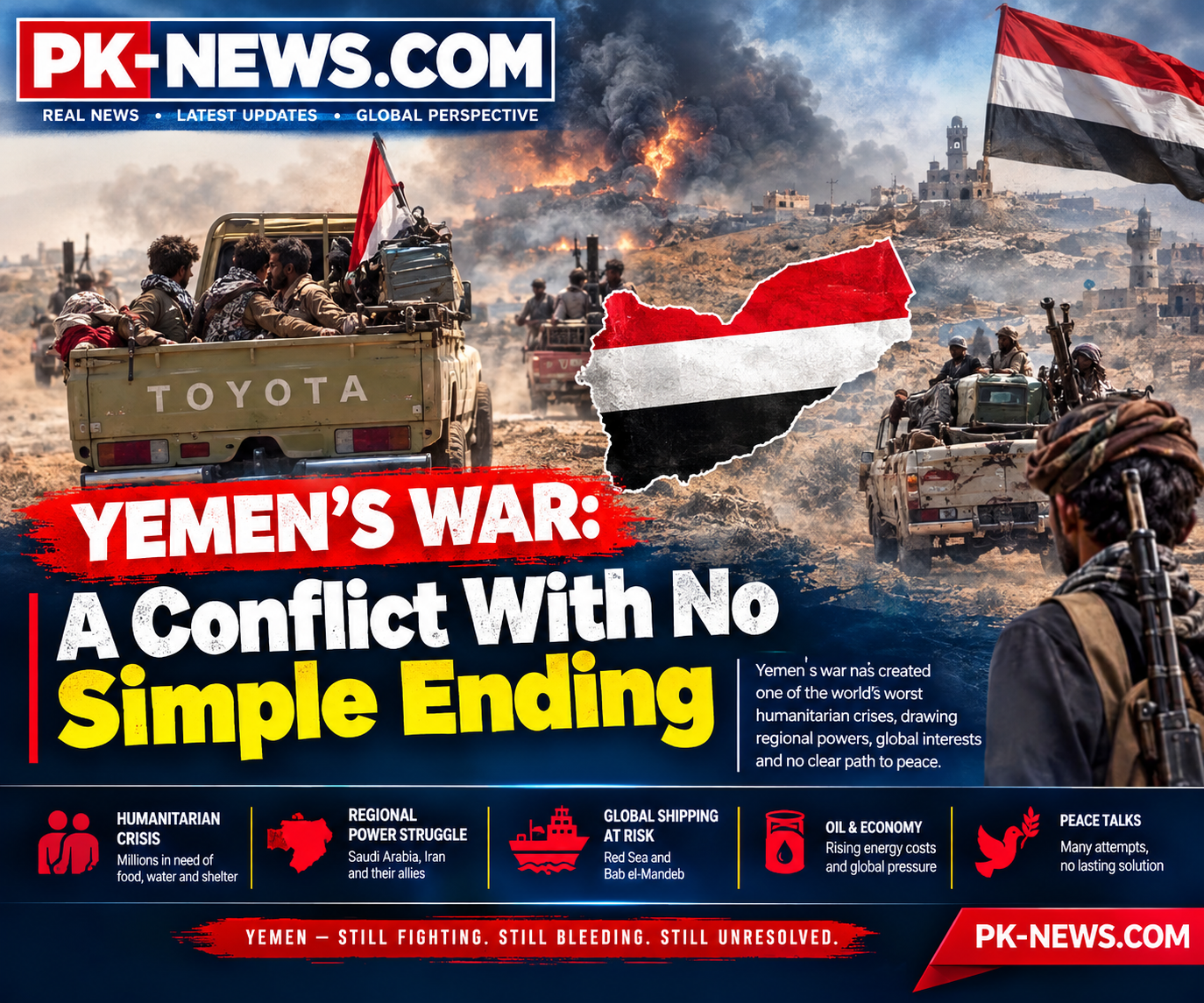
The conflict is also connected to developments in Yemen and the Red Sea. Attacks involving Houthi forces have added another layer of risk around the Bab el-Mandeb shipping route, another important gateway for international trade.
For consumers around the world, prolonged instability can translate into higher transportation, energy and shipping costs.
What Happens Next?
The key question is whether the current diplomatic efforts can produce a workable agreement before the conflict enters another major phase.
Iran says it is prepared to defend itself and has warned of a strong response to any new attack. At the same time, Tehran has communicated conditions for returning to negotiations.
The United States, meanwhile, faces decisions over military pressure, sanctions, diplomacy and regional security.
There is currently no confirmed public evidence establishing that a new large-scale US attack will definitely occur. Statements from Iranian officials about possible future operations should therefore be treated as warnings and assessments rather than confirmation of what Washington will do.
For now, the region remains caught between two possibilities: a renewed diplomatic process or another escalation in the conflict.
PK-News.com will continue following developments involving Iran, the United States, the Strait of Hormuz and wider Middle East security.
🔎 Search: PK-News.com
🌐 Visit: PK-News.com
📰 For more updates: Follow PK News for continuing international news, breaking developments and verified updates as the situation develops.
1
NEW
Global
😔 Negative
Iran Warns of Possible New US Attacks as Diplomatic Efforts Continue
Related Articles You May Like
Related News





Comments (0)
Leave a Comment
No comments yet. Be the first to comment!