Iran War Raises Questions About Trump’s Strategy as Pressure Mounts at Home and Abroad
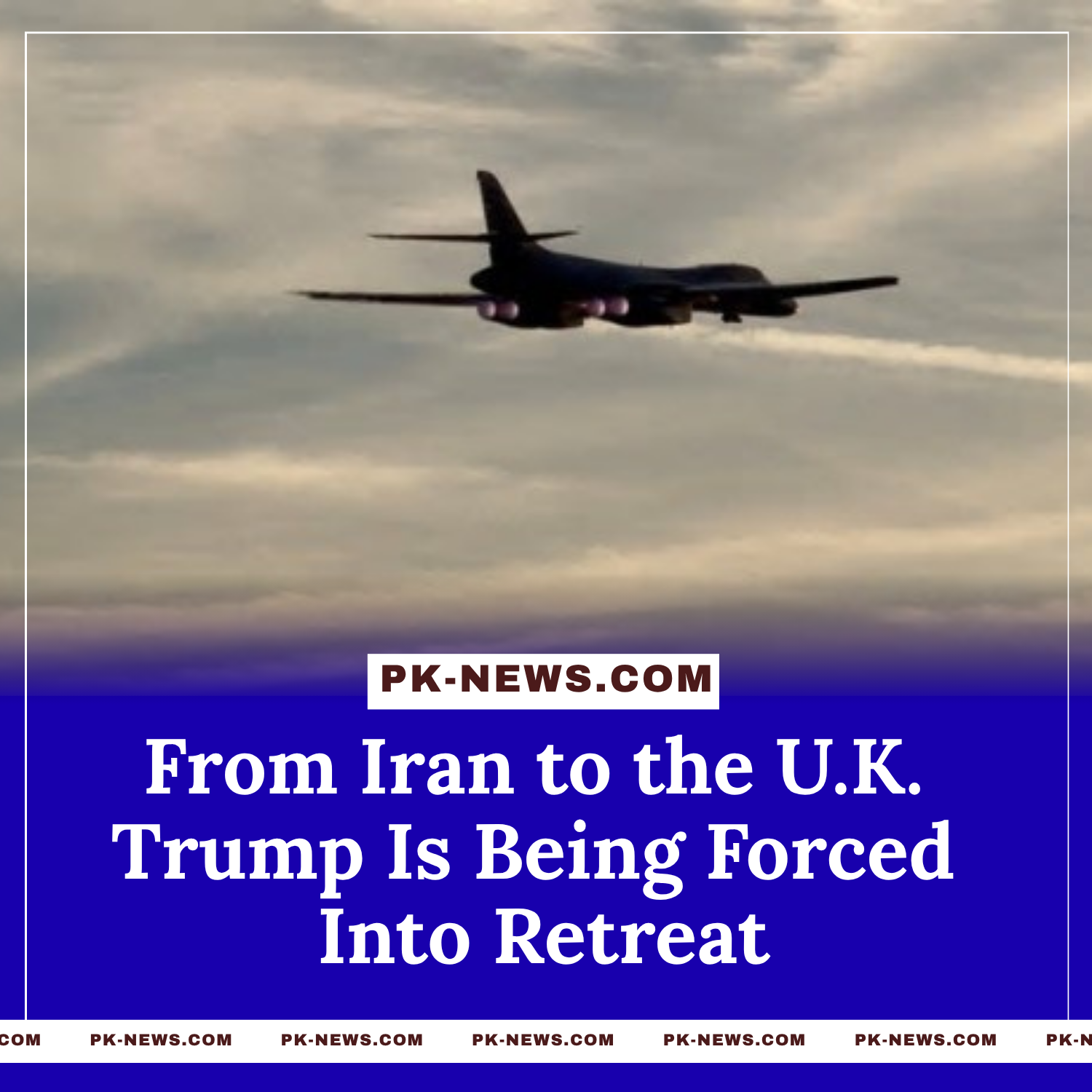
WASHINGTON/LONDON — October 8, 2026: The war involving the United States and Iran is increasingly testing President Donald Trump’s foreign-policy strategy, with the conflict producing consequences far beyond the battlefield.
What was presented as an effort to demonstrate American military strength and compel Tehran to accept Washington's demands has instead created a complicated political and diplomatic challenge for the Trump administration.
The growing pressure is being felt not only in the Middle East but also across Europe, including the United Kingdom, where the wider consequences of the conflict have intensified debate over the role of the United States and its allies.
A War Meant to Demonstrate American Power
The Trump administration entered the confrontation with Iran seeking to demonstrate that the United States could use its military and economic power to force major strategic concessions.
Washington's campaign has focused heavily on Iran's nuclear programme and its ability to enrich uranium.
U.S. officials have repeatedly argued that Tehran must take concrete steps to reduce its nuclear capabilities if a lasting agreement is to be reached.
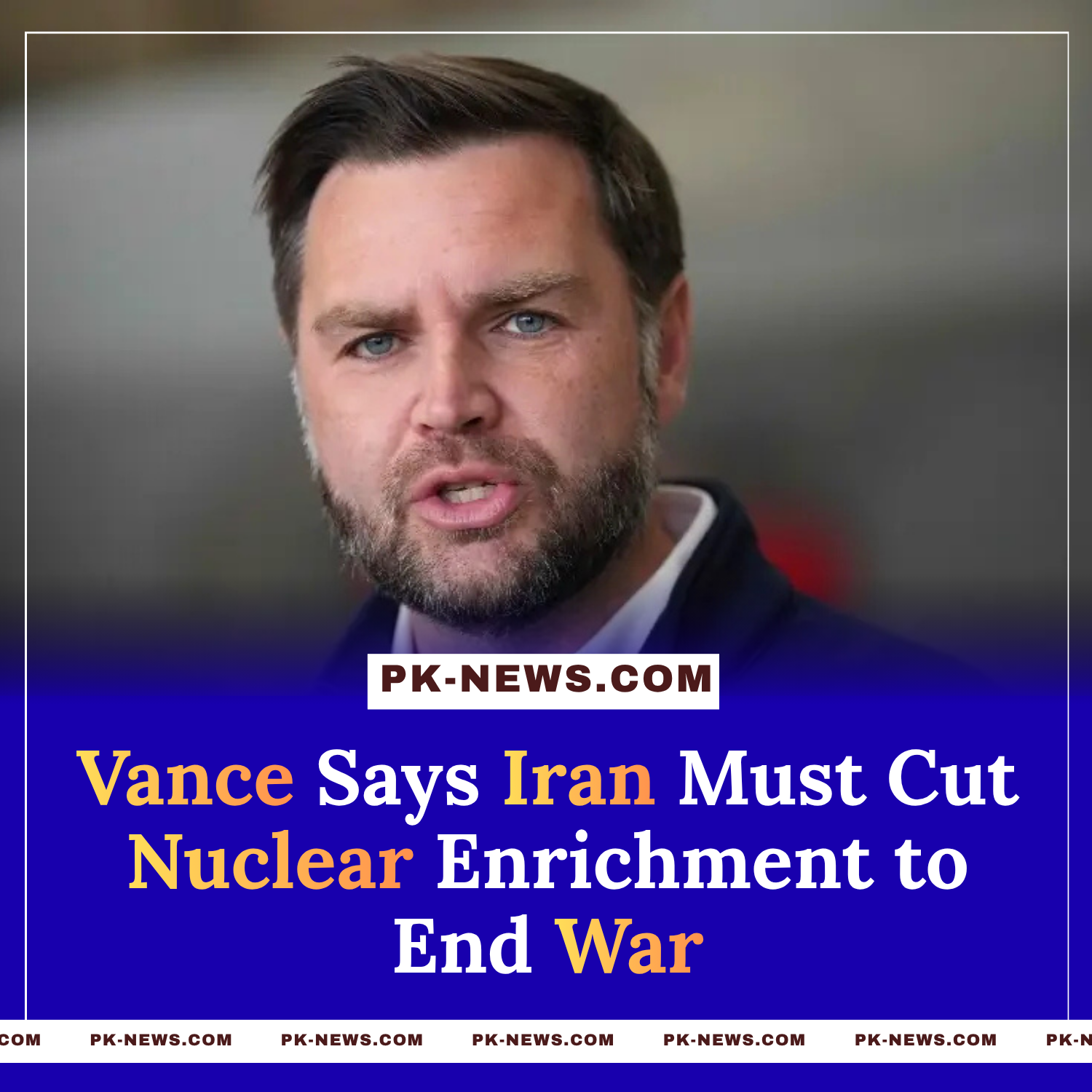
Vice President JD Vance has also said that Iran would need to significantly reduce its enrichment activities as part of any agreement aimed at ending the conflict.
But instead of producing a straightforward victory, the war has created a much more complicated strategic environment.
Iran Has Continued to Resist
Iran has refused to simply accept Washington's demands.
Tehran has continued to defend its right to pursue its nuclear programme while rejecting conditions that it considers an unacceptable surrender of national sovereignty.
The continuing confrontation has also demonstrated the difficulty of translating overwhelming military power into a political settlement.
Military strikes can destroy infrastructure and impose costs, but they do not necessarily produce the political outcome sought by the attacking side.
That distinction has become increasingly important as the conflict continues.
Strait of Hormuz Becomes a Major Pressure Point
One of the most significant consequences of the confrontation has been the situation surrounding the Strait of Hormuz.
The strategically important waterway is a major route for global energy shipments.
Any prolonged disruption threatens to raise transportation costs, increase energy prices and create economic difficulties for countries far removed from the Middle East.
For Washington and its allies, keeping the waterway open has therefore become an important strategic objective.
But the importance of Hormuz also gives Iran considerable leverage.
Economic Consequences Spread Beyond the Middle East
The conflict has created uncertainty in global markets.
Oil prices, shipping costs, insurance premiums and financial markets have all become sensitive to developments involving Iran.
Countries dependent on imported energy are particularly vulnerable to prolonged instability.
European governments are also facing pressure as businesses and consumers confront the wider economic effects of the confrontation.
The United Kingdom, in particular, has been drawn into difficult discussions about its relationship with Washington, regional security and the consequences of the conflict.
Britain's Position Comes Under Pressure
The United Kingdom has historically maintained a close strategic relationship with the United States.
However, the Iran conflict has complicated that relationship.
British policymakers must balance cooperation with Washington against concerns about regional escalation, economic disruption and the possibility of being drawn deeper into another major Middle Eastern conflict.
The debate reflects a broader question facing America's European allies: how closely should they follow Washington when U.S. military strategy produces significant risks for their own populations and economies?
Trump Faces a Political Problem
For Trump, the conflict presents a particularly difficult political challenge.
A president who campaigned on avoiding prolonged foreign wars now faces a confrontation that risks becoming open-ended.
If Washington continues military operations, the administration could face criticism for becoming involved in another costly overseas conflict.
If Trump reduces American involvement, opponents could portray the move as a retreat from the objectives announced at the beginning of the campaign.
That creates a difficult political calculation.
The Meaning of “Retreat”
The description of Trump's position as a retreat remains a matter of political interpretation rather than an established fact.
The administration could argue that changing tactics, entering negotiations or reducing military operations represents strategic flexibility rather than defeat.
Critics, however, may interpret any reduction in American pressure as evidence that the original strategy failed to achieve its intended objectives.
The difference between these interpretations is likely to become increasingly important as the conflict develops.
Military Power Has Limits
The Iran confrontation also illustrates a broader lesson about modern warfare.
The United States possesses overwhelming conventional military capabilities, but military superiority does not automatically guarantee political success.
Iran's geography, regional influence, missile capabilities and ability to affect energy routes make it a difficult opponent.
A military campaign can therefore produce tactical victories while simultaneously creating strategic problems.
This is one of the central challenges now confronting the Trump administration.
Diplomacy Returns to the Centre
As military pressure produces economic and political costs, diplomacy has once again become essential.
Washington and Tehran have continued to explore possible arrangements despite major disagreements.
The nuclear programme remains the central issue, while the Strait of Hormuz and regional security are also major components of the discussions.
For Trump, a negotiated agreement could provide a way to claim that American pressure produced results without requiring an indefinite military campaign.
For Iran, negotiations could offer an opportunity to reduce military pressure while protecting what Tehran considers its essential national interests.
A Difficult Road Ahead
The conflict remains unpredictable.
A diplomatic breakthrough could reduce tensions and restore stability in the region.
However, a collapse in negotiations could lead to renewed military escalation.
The biggest challenge for Washington will be finding a way to demonstrate that its strategy has achieved meaningful results without becoming trapped in a prolonged conflict.
For Trump, that balance may ultimately determine how the Iran war is remembered politically.
From American Strength to Strategic Reassessment
The central question is no longer simply whether the United States possesses the military power to strike Iran.
It is whether that power can produce the political outcome Washington wants.
The conflict has demonstrated that even a country with unmatched military capabilities can face serious constraints when dealing with a determined adversary, a strategically important region and an interconnected global economy.
For Trump, any movement toward negotiations or reduced military involvement will therefore be closely scrutinised.
Supporters may describe it as strategic pragmatism.
Critics may call it retreat.
Either way, the Iran conflict is forcing the Trump administration to reconsider how American power is used — and what victory actually means.
PK-News.com International Analysis
PK-News.com continues to monitor the evolving U.S.-Iran confrontation, developments surrounding the Strait of Hormuz, international diplomatic efforts and the response of America's European allies.
This article has been developed, researched and prepared by the PK-News.com Digital News & Research Desk.
Developed, Researched & Published by PK-News.com
Muhammad Ibraheem — Founder & Lead Architect
PK-News.com
Pakistan & World News • Breaking News • Live TV • Blogs • Products • Digital Technology
0
NEW
Global
😔 Negative
From Iran to the U.K., Trump Is Being Forced Into Retreat
Related Articles You May Like
Related News







Comments (0)
Leave a Comment
No comments yet. Be the first to comment!