Election experts warn that disputes over voter registration, federal authority and election procedures could create uncertainty ahead of the November midterms.
Developed, Researched & Published by PK-News.com
PK-News Digital News & Research Desk
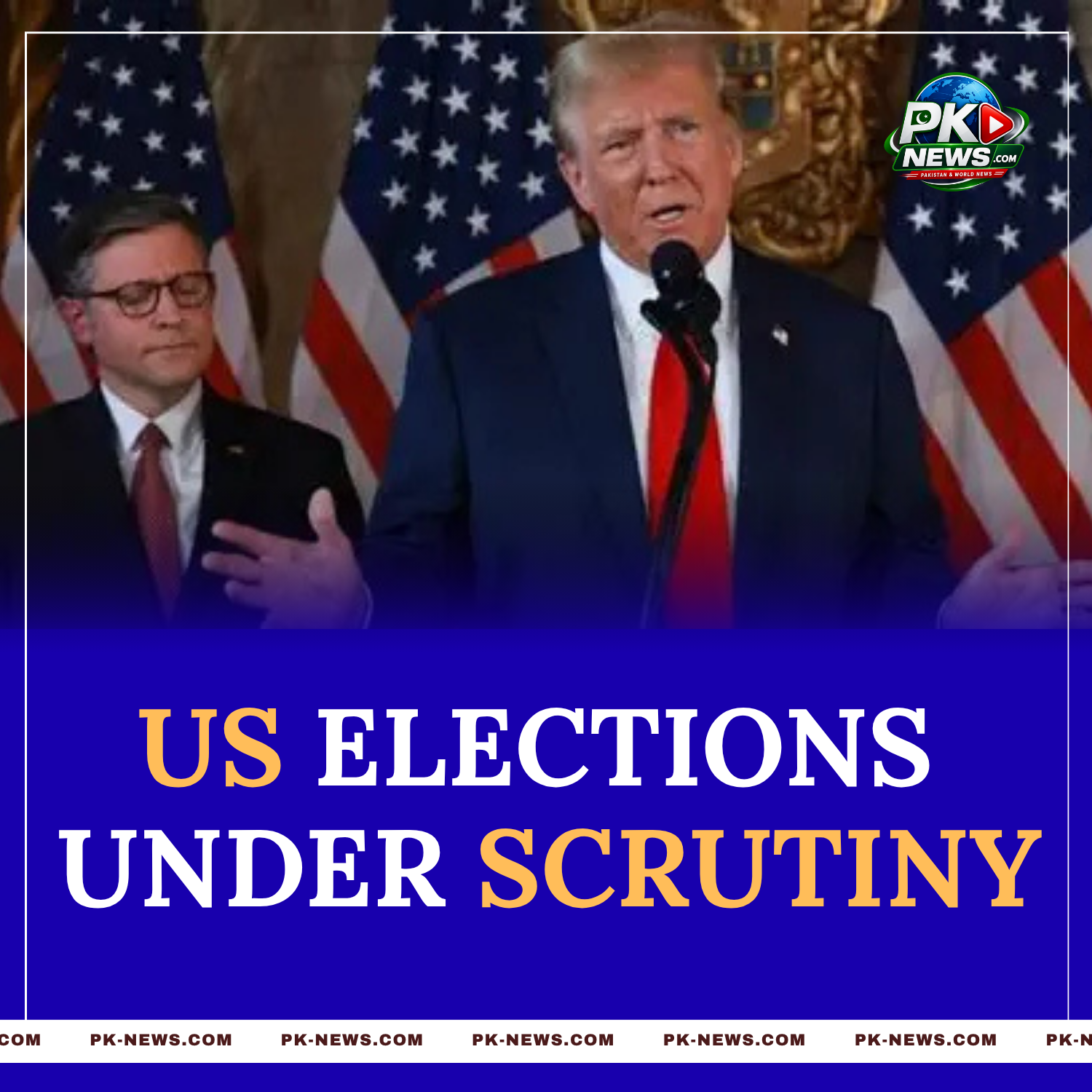
WASHINGTON, UNITED STATES — October 21, 2026: President Donald Trump’s repeated challenges to the integrity of the US voting system are raising concerns among election officials and legal experts ahead of the November 3 midterm elections. Analysts warn that disputes over voting rules, voter registration and federal involvement could create legal uncertainty, undermine public confidence and complicate the process of certifying election results.
An analysis published by NPR on October 21 examines how the administration’s actions and rhetoric could affect the upcoming elections. Election law expert Rick Hasen discussed concerns about pressure on local officials, including threats of criminal prosecution related to the removal of alleged noncitizens from voter rolls.
The debate comes as Americans prepare to elect members of Congress and decide numerous state and local contests that will shape the country’s political direction.
Concerns Over Federal Intervention
Trump has called for greater federal involvement in election administration and has repeatedly promoted claims of widespread voting fraud. His administration has also pursued changes to voting procedures, including restrictions on mail-in ballots and efforts to obtain voter registration data from states.
However, the US Constitution gives states primary responsibility for administering elections, with local authorities carrying out much of the practical work.
According to a Reuters investigation published in October, election officials and legal experts are preparing for possible confrontations involving federal agencies, access to election records and the handling of voting equipment.
The investigation found that officials were concerned not only about individual government actions but also about the possibility that multiple legal disputes could delay election procedures or create confusion around the certification of close results.
The White House has defended its approach, saying its objective is to protect election integrity and voting security. Critics argue that federal pressure based on unsupported allegations could undermine the independence of state election administrators.
Voter Registration and Citizenship Disputes
One major point of contention involves claims that large numbers of noncitizens are illegally registered to vote.
The Trump administration has pushed for stricter verification procedures and wider use of federal databases to identify potentially ineligible voters. It has also supported legislation requiring proof of citizenship to register for federal elections.
Voting rights advocates and election officials have warned that inaccurate database matches could mistakenly flag eligible citizens, potentially leading to valid registrations being challenged or removed.
The Associated Press reported in September that at least 67 million voter registrations had been scanned through an expanded federal verification system. Critics raised concerns about privacy and the possibility of eligible voters being wrongly identified.
A federal judge had blocked the expanded system in June, and the administration sought further judicial intervention.
The issue remains politically contentious. Supporters of stricter verification say the measures are necessary to protect voting eligibility, while opponents argue that existing safeguards are sufficient and that additional requirements could create unnecessary barriers for eligible citizens.
Legal Challenges to Mail-In Voting
Mail-in ballots have also become a central part of the dispute.
Trump has advocated restrictions on mail voting, while his administration has attempted to change federal election procedures. The Associated Press reported that the Supreme Court blocked one major effort to overhaul mail-ballot processes ahead of the November elections.
The court decision limited the immediate impact of that initiative, but other disputes over election administration remain unresolved.
Election officials have warned that late changes to procedures could create operational difficulties for local offices already preparing ballots, training staff and organizing polling locations.
Because election rules vary across states, a federal policy challenge can produce different consequences depending on local laws and court rulings.
Could Public Confidence Be Affected?
Election experts say the consequences of repeated claims of fraud may extend beyond changes to voting procedures.
If political leaders repeatedly question the legitimacy of elections without providing substantiated evidence, voters may become less willing to accept results that favour the opposing party.
That could increase the likelihood of post-election lawsuits, public protests and disputes over the certification process, particularly in closely contested races.
A Reuters report in October also examined federal investigations into voting machines and election records. Previous investigations into allegations that voting machines changed the outcome of the 2020 presidential election did not establish evidence of widespread vote manipulation.
Election security experts emphasize that identifying a potential technical vulnerability is not the same as proving that it was exploited to alter election results.
Safeguards Remain in Place
Despite the concerns, election officials say several established safeguards remain central to US elections.
These include testing voting equipment, maintaining records of ballot handling, using paper ballots or paper records to verify electronic totals, and conducting audits and recounts where required.
The US election system is also highly decentralized. Thousands of state and local jurisdictions administer voting under different laws and procedures, limiting the ability of any single federal action to control the entire process.
Courts remain another important check on government efforts that exceed legal authority.
The Associated Press has reported that election administrators are preparing to conduct the midterms under existing laws despite continuing disputes over federal involvement.
Why the November Midterms Matter
The November 3 elections will determine control of Congress for the next two years, affecting the administration’s ability to advance legislation and the opposition’s ability to conduct congressional oversight.
The results will also be shaped by major voter concerns, including the cost of living, immigration, healthcare and other domestic issues.
For election officials, the immediate priority is ensuring that eligible voters can cast ballots, that votes are accurately counted and that results are certified according to the law.
The coming weeks will test the ability of election administrators, courts and government agencies to resolve disputes without disrupting the voting process.
PK-News.com will continue to follow developments surrounding the US midterm elections, voting laws and election security.
36
NEW
Politics
😐 Neutral
How Trump’s Attacks on Voting System Integrity Could Affect Upcoming US Elections
Related Articles You May Like
Related News





Comments (0)
Leave a Comment
No comments yet. Be the first to comment!