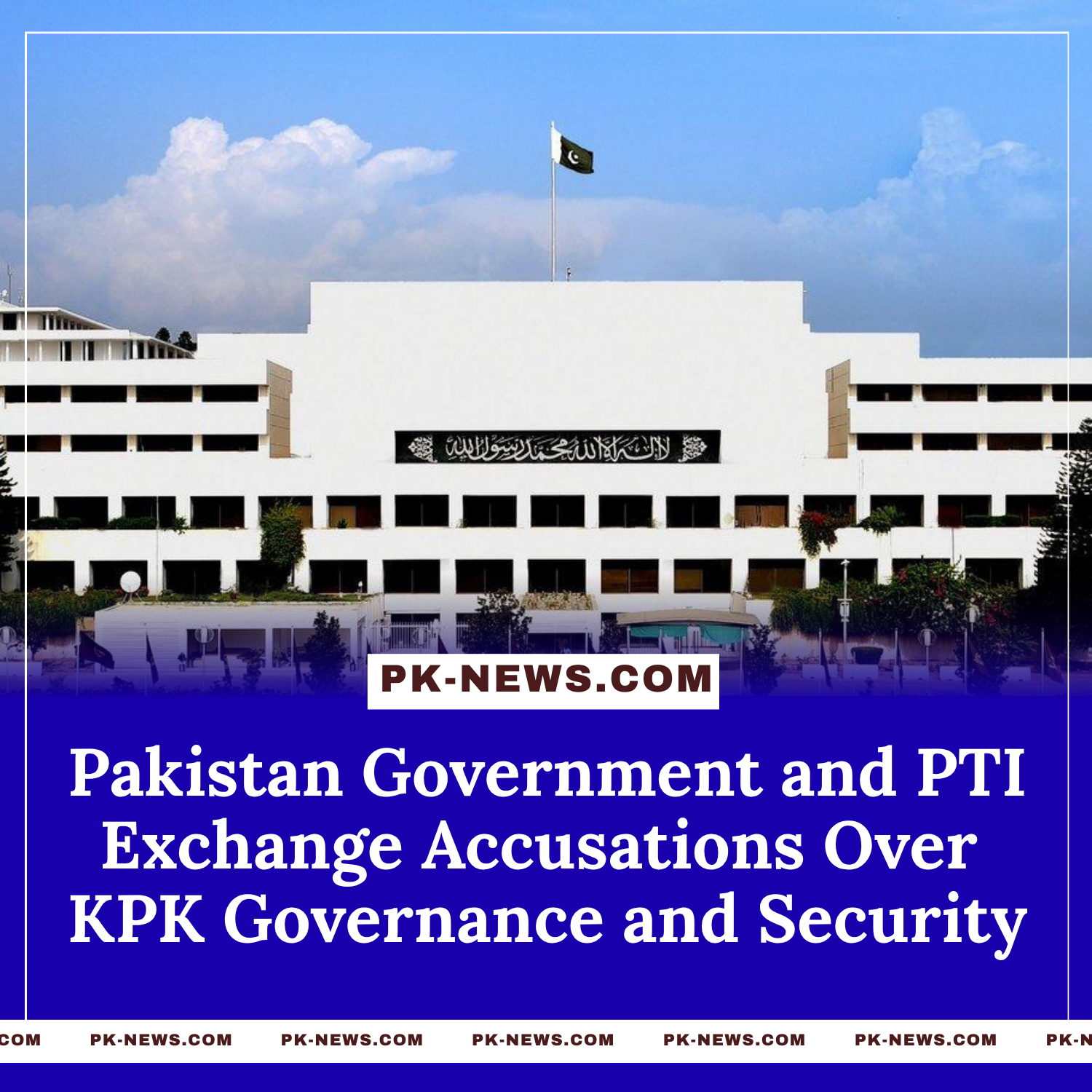
ISLAMABAD, PAKISTAN — October 9, 2026: Pakistan’s federal government and Pakistan Tehreek-e-Insaf (PTI) have exchanged accusations over governance and the worsening security situation in Khyber Pakhtunkhwa (KP), with both sides disputing responsibility for the province’s challenges amid continuing political tensions.
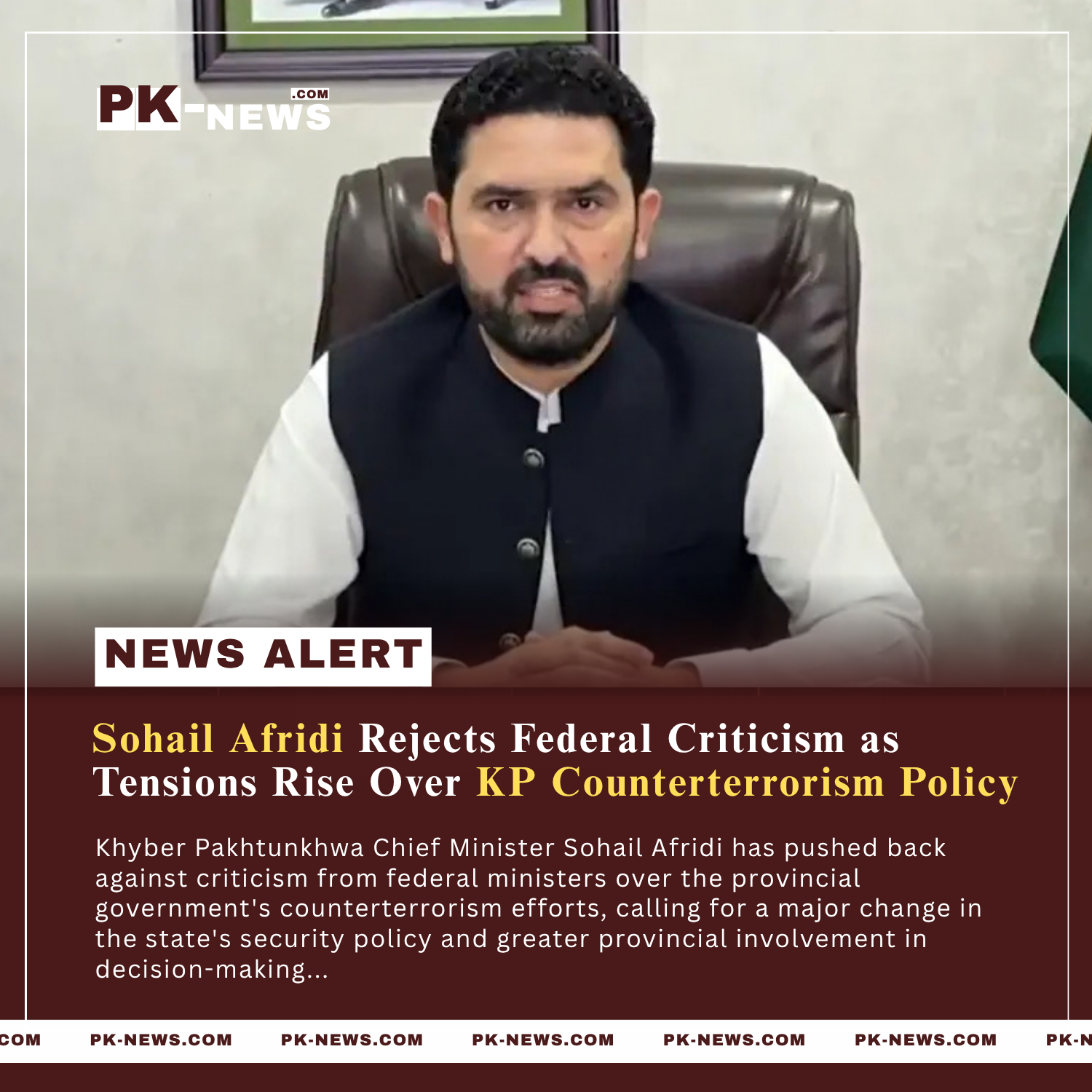
Federal ministers have criticised the PTI-led provincial government over its response to terrorism, arguing that the province’s leadership should prioritise security and public services instead of concentrating on political demonstrations. PTI, meanwhile, has rejected the criticism, accusing the federal government of shifting blame for problems it says are connected to flawed federal policies.
The dispute comes as PTI continues its long march towards Islamabad, led by Khyber Pakhtunkhwa Chief Minister Sohail Afridi, while political negotiations between the government and opposition remain under strain.
PTI Says Government Statements Are Undermining Dialogue
PTI Information Secretary Sheikh Waqas Akram said the federal government could not credibly call for negotiations while allowing ministers and other government representatives to issue repeated statements against the party’s leadership and the KP government.
He argued that daily press conferences and what PTI described as provocative political rhetoric were increasing confrontation and weakening the prospects of meaningful dialogue.
Akram called on the government to rein in its ministers and demonstrate its willingness to negotiate by addressing PTI’s demands.
He also rejected attempts to hold the KP government or Chief Minister Sohail Afridi responsible for the province’s wider terrorism problem.
PTI’s position is that political negotiations require a less confrontational atmosphere and that the federal government should avoid statements that could further widen the divide between the two sides.
Federal Minister Raises Concerns Over Terrorism
Minister of State for Finance Bilal Azhar Kayani expressed concern over the reported increase in terrorist incidents in Khyber Pakhtunkhwa.
According to the Associated Press of Pakistan report cited by Dawn, Kayani argued that the province was increasingly resembling a war zone and alleged that the provincial government was not fulfilling its responsibilities in combating terrorism.
His comments reflected the federal government’s criticism that provincial authorities should devote greater attention to security challenges while militant violence continues.
However, the accusations remain part of an ongoing political dispute. The competing statements do not, by themselves, establish the extent of responsibility held by either level of government for the security situation.
Amir Muqam Urges KP Government to Focus on Public Issues
Kashmir Affairs Minister Amir Muqam also criticised the provincial leadership, urging it to concentrate on resolving public problems instead of pursuing the protest march.
Muqam said terrorist attacks were continuing in the province while its political leadership was occupied with demonstrations and mobilisation.
He also raised concerns about the changing route of the PTI march, arguing that road closures were creating difficulties for residents.
The comments highlight a wider debate over the responsibilities of elected provincial leaders during a period of political agitation and security concerns.
The federal government maintains that governance and counterterrorism should remain central priorities, while PTI argues that its political campaign and demands should not be used to divert attention from the causes of the province’s difficulties.
PTI Long March Adds to Political Tensions
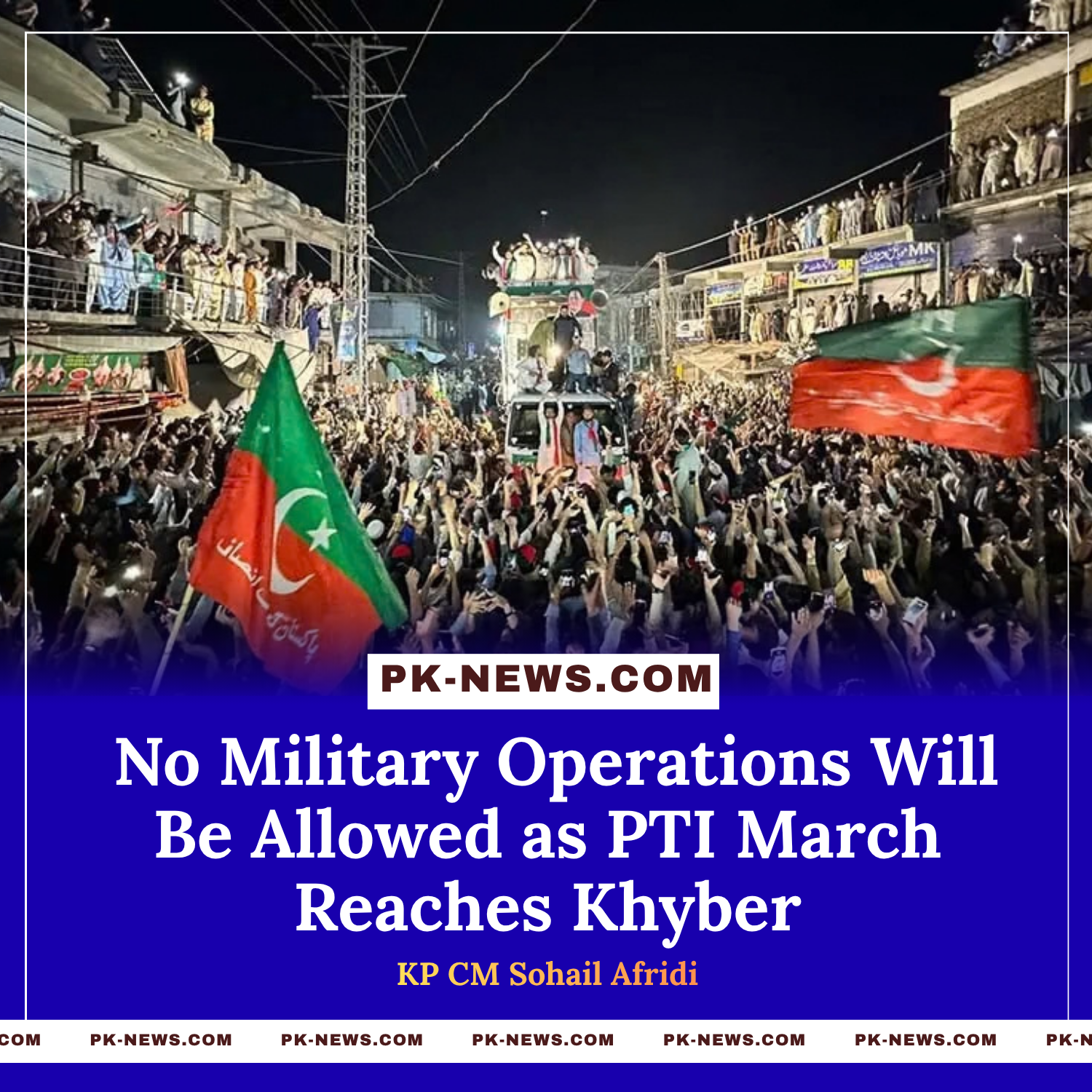
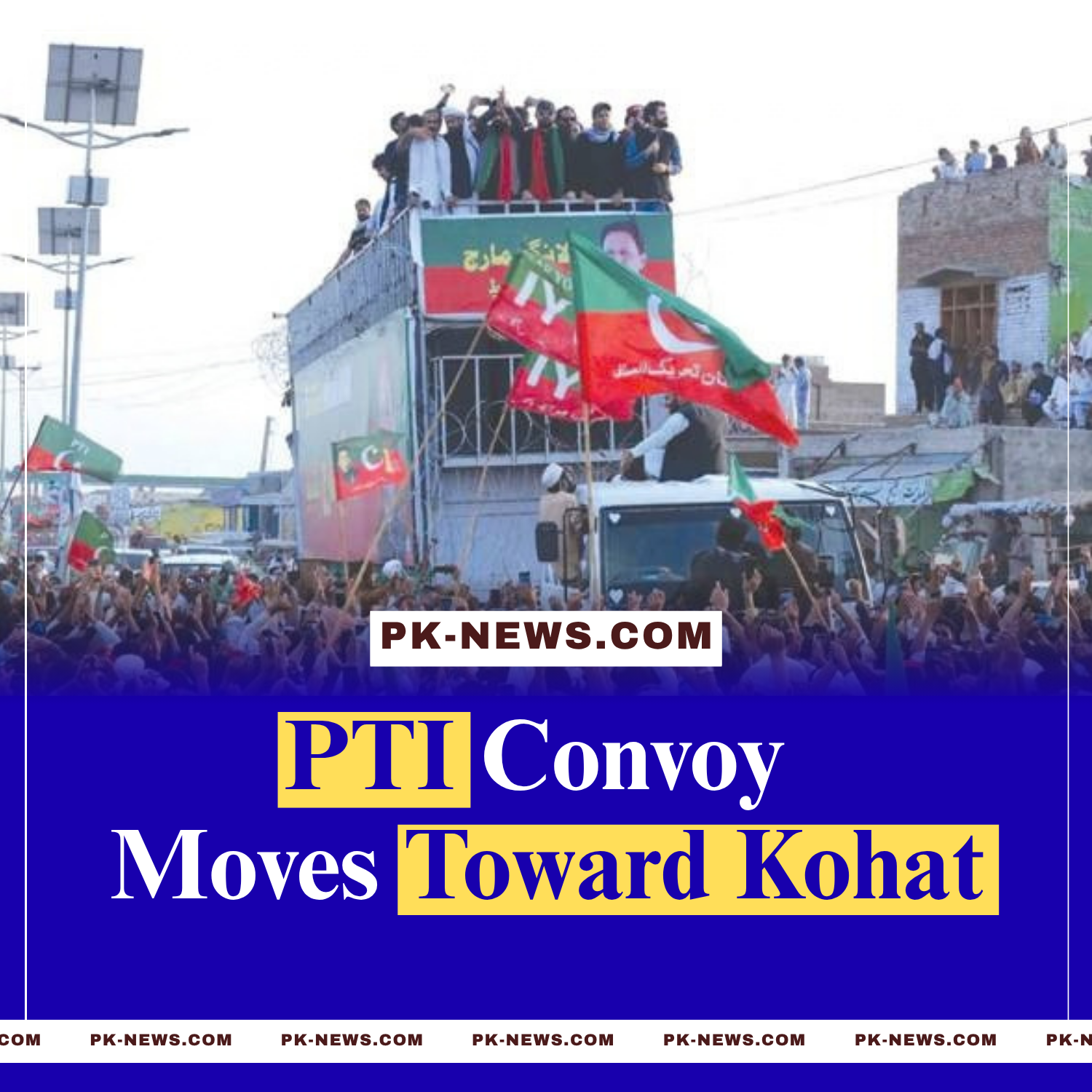
The latest exchange comes as PTI’s long march continues under Chief Minister Sohail Afridi.
The protest began from Gandi Chowk in Lakki Marwat on October 4, 2026, after government-opposition talks failed to produce an agreement. PTI’s wider political demands include the release of former prime minister and party founder Imran Khan.
The march has drawn supporters from different parts of Khyber Pakhtunkhwa, while its route and progress have become subjects of political debate.
Government representatives have criticised the provincial leadership for focusing on the march during a period of heightened security concerns. PTI, on the other hand, has presented the protest as part of its political struggle and has called for its demands to be addressed through negotiations.
The standoff illustrates the difficulty of separating political mobilisation from the wider governance and security debate in the province.
Security and Governance Remain Key Challenges
Khyber Pakhtunkhwa faces significant security and administrative challenges, and the latest dispute has renewed questions about how federal and provincial authorities should coordinate their response.
Counterterrorism involves security operations, intelligence cooperation, law enforcement, local administration and broader efforts to protect communities affected by violence. Effective coordination between the federal and provincial governments is therefore important regardless of their political differences.
At the same time, residents need access to essential public services, functioning transport routes and effective local administration. Political confrontation can complicate cooperation when public safety requires coordination between different levels of government.
The current exchange of accusations has not resolved the underlying questions about policy, responsibility or the best way to improve security.
Can the Government and PTI Return to Negotiations?
PTI has urged the federal government to reduce public criticism and create conditions for substantive talks. The government has also expressed interest in dialogue, but disagreements over political demands, the long march and the province’s counterterrorism responsibilities continue to complicate the process.
For negotiations to make progress, both sides will need to clarify their positions and identify areas where agreement is possible. Security cooperation and the delivery of public services could remain important issues even as the parties continue to disagree over the broader political situation.
No breakthrough was reported in the October 9 account. The prospects for renewed dialogue remain dependent on subsequent political decisions and the willingness of the parties to engage.
Conclusion
The latest dispute between the federal government and PTI reflects the continuing political divide over Khyber Pakhtunkhwa’s governance, terrorism and the ongoing long march.
Federal ministers say the provincial government should give greater priority to security and public issues, while PTI argues that the Centre is unfairly assigning blame and undermining negotiations through confrontational statements.
The debate remains unresolved. Beyond the political exchange, the central challenge is how federal and provincial authorities can improve public safety, maintain essential services and establish a workable path towards political dialogue.
PK-News.com will continue to follow developments involving PTI, the federal government, Khyber Pakhtunkhwa’s security situation and the future of political negotiations in Pakistan.
0
NEW
Politics
😔 Negative
Pakistan Government and PTI Exchange Accusations Over Khyber Pakhtunkhwa Governance and Security
Related Articles You May Like
Related News




Comments (0)
Leave a Comment
No comments yet. Be the first to comment!