Washington Demands Concrete Nuclear Concessions as Diplomatic Efforts Continue
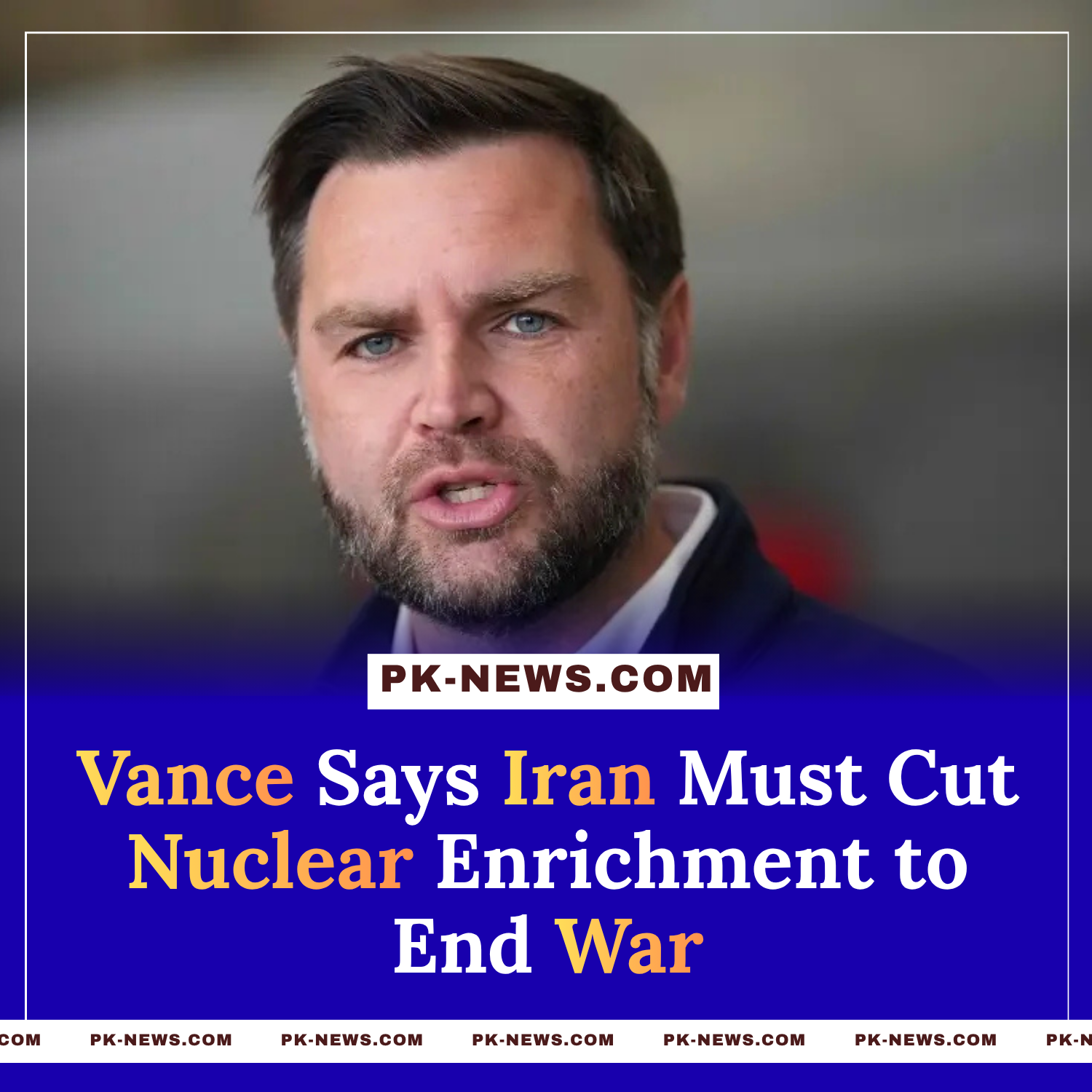
FAIRBANKS, ALASKA — October 7, 2026: U.S. Vice President JD Vance has said Iran must make a significant reduction in its nuclear enrichment capacity if Tehran wants to reach an agreement with Washington and bring the ongoing war between the two countries to an end.
Speaking in an interview with Reuters, Vance said the United States was seeking concrete action rather than assurances from Iran on its nuclear programme. He argued that Tehran would need to demonstrate through actual changes to its enrichment activities that it was not seeking to develop a nuclear weapon.
Washington Seeks a Meaningful Reduction
Vance said any potential agreement would require Iran to reduce its enrichment capacity rather than simply promise that it would limit enrichment in the future.
He specifically questioned Iran's need to maintain uranium enriched to 60 percent, arguing that such a level would be difficult to reconcile with a claim that Tehran has no intention of developing a nuclear weapon.
The vice president said Washington was prepared to consider an agreement but expected measurable Iranian concessions as part of any settlement.
“Words” Will Not Be Enough
Vance made clear that the Trump administration wants actions that can be independently assessed rather than political assurances.
His position reflects a broader U.S. demand that Iran significantly scale back aspects of its nuclear programme before Washington agrees to a lasting settlement.
The comments come as the United States and Iran have exchanged proposals aimed at ending the conflict and restoring normal shipping conditions through the Strait of Hormuz, one of the world's most important energy routes.
Trump Rejects Iran's Latest Proposal
According to the latest reports, Iran and the United States have exchanged proposals in recent weeks in an effort to find a path toward ending the war.
However, U.S. President Donald Trump rejected Tehran's latest offer and has warned that military operations could intensify after the U.S. midterm elections.
The disagreement over Iran's nuclear programme remains one of the biggest obstacles to a broader settlement.
Questions Over Decision-Making in Tehran
Vance also raised concerns about Washington's understanding of Iran's internal decision-making process.
He said U.S. officials were communicating with Iranian President Masoud Pezeshkian and Foreign Minister Abbas Araqchi, but Washington remained uncertain about how much authority individual officials have within Iran's current political structure.
The uncertainty follows major changes in Iran's leadership during the conflict.
Vance said the United States was still involved in negotiations but indicated that President Trump ultimately remained responsible for major decisions on the American side.
Seven Months of War
The latest diplomatic push comes after months of conflict between the United States and Iran.
The war has had significant consequences beyond the battlefield, particularly for international energy markets.
The possibility of disruption around the Strait of Hormuz has generated concerns about global oil supplies and shipping costs, while continued military tensions have added uncertainty to the international economy.
Strait of Hormuz Remains Central to Negotiations
The Strait of Hormuz is particularly important because it serves as a major passage for global energy shipments.
Any prolonged disruption could affect oil prices, shipping and economies that depend heavily on energy imports.
The United States and Iran have therefore included the reopening and stabilisation of the waterway among the issues being discussed as part of possible diplomatic arrangements.
Vance Plays Key Role in Negotiations
Vance has emerged as an important figure in the Trump administration's efforts to find a settlement.
Although he has historically expressed scepticism about prolonged U.S. military involvement overseas, he has become closely involved in negotiations surrounding the Iran conflict.
He previously helped broker a provisional peace arrangement, but that agreement subsequently collapsed, leaving Washington and Tehran searching for another possible diplomatic route.
No Clear Breakthrough Yet
Despite continued diplomatic contacts, the latest statements indicate that major differences remain between Washington and Tehran.
The United States is demanding substantial changes to Iran's enrichment programme, while Iran's negotiating position remains focused on reaching an agreement that protects its interests.
Whether the two sides can bridge those differences will determine whether the latest diplomatic effort produces a durable ceasefire or whether military confrontation continues.
Global Economic Impact
The conflict has also become an economic issue for governments around the world.
Energy prices and shipping costs remain sensitive to developments involving Iran and the Strait of Hormuz.
For the United States, the prolonged conflict is also becoming a political issue ahead of the November midterm elections, with concerns about energy affordability and the broader economic consequences of the war increasingly influencing public debate.
What Comes Next?
The immediate focus is expected to remain on negotiations between Washington and Tehran and on whether Iran is prepared to make the nuclear concessions demanded by the United States.
Vance's latest comments suggest that Washington is still open to diplomacy but does not consider verbal assurances sufficient.
A meaningful reduction in Iran's enrichment capacity could therefore become a central condition for any future agreement.
At the same time, continued disagreement over nuclear policy, the Strait of Hormuz and the authority of Iranian negotiators could make a quick resolution difficult.
PK-News.com International Coverage
PK-News.com is closely following developments in the U.S.-Iran conflict, nuclear negotiations, the Strait of Hormuz and the wider Middle East.
This report has been developed and researched by the PK-News.com Digital News & Research Desk using current international reporting and official statements available at the time of publication.
Developed, Researched & Published by PK-News.com
Muhammad Ibraheem — Founder & Lead Architect
PK-News.com
Pakistan & World News • Breaking News • Live TV • Blogs • Products • Digital Technology
1
NEW
Global
😔 Negative
Vance Says Iran Must Cut Nuclear Enrichment to End War
Related Articles You May Like
Related News





Comments (0)
Leave a Comment
No comments yet. Be the first to comment!