187
War
😔 Negative
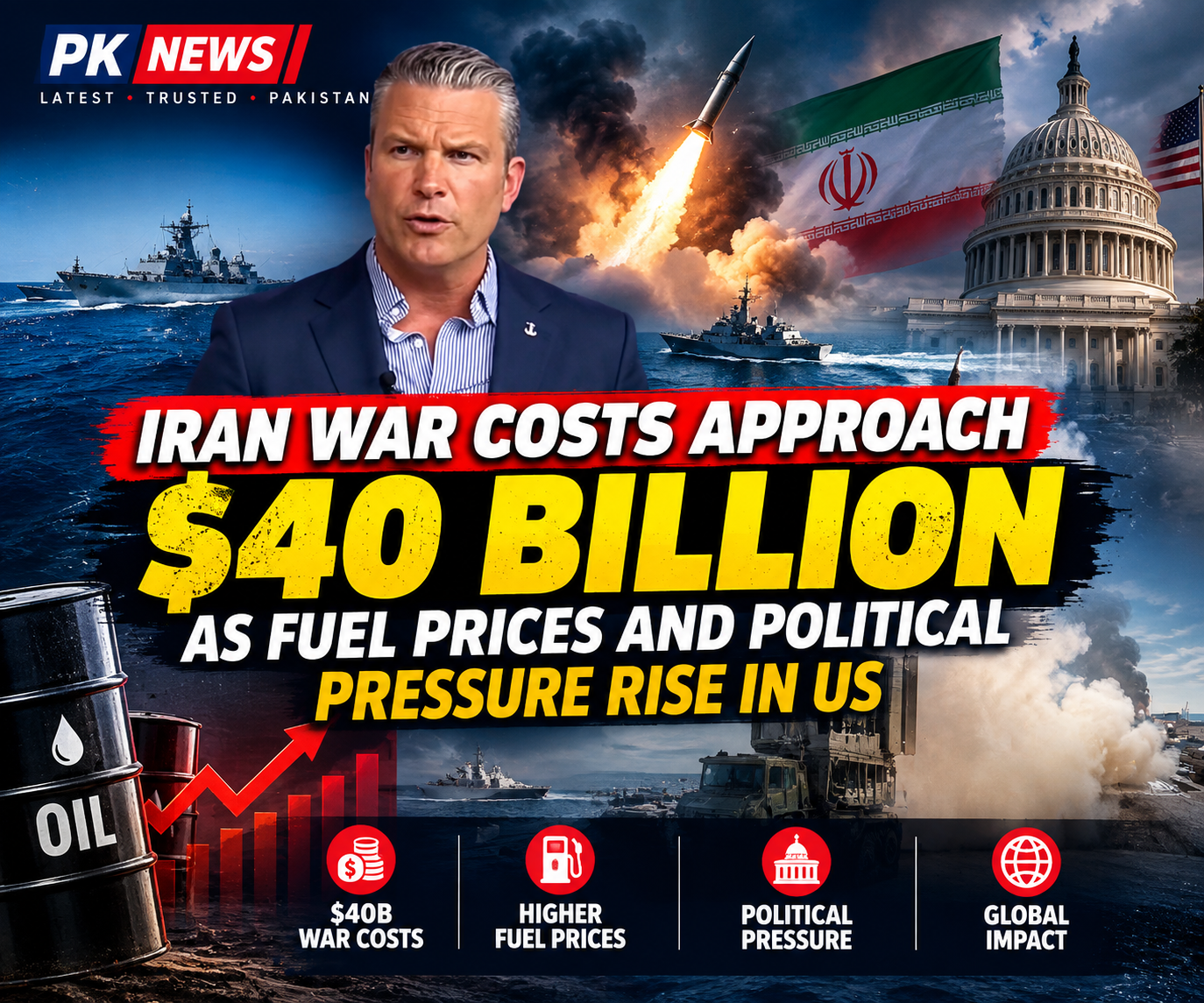
Iran War Costs Approach $40 Billion as Fuel Prices and Political Pressure Rise in US
The financial and economic costs of the US conflict with Iran are becoming increasingly significant, with a new Congressional Budget Office assessment putting direct US military costs at nearly $40 billion through August 1, 2026.
The conflict has also contributed to higher energy prices, adding pressure to households and businesses while creating new concerns about inflation and military stockpiles.
The latest developments have intensified political debate in Washington, including a move by Republican Representative Thomas Massie to seek the impeachment of Defense Secretary Pete Hegseth over his handling of the Iran conflict.
US Military Costs Near $40 Billion
The Congressional Budget Office estimated that the conflict had directly cost the US government nearly $40 billion through August 1.
The majority of the spending has been linked to military operations and the replacement of weapons and munitions used during the conflict.
The CBO also estimated that the war could continue costing between approximately $2 billion and $3 billion per month, depending on the intensity of fighting.
The figure does not represent the full economic cost. Some expenses related to damage to US facilities and other long-term costs were not included because of uncertainty over the available data.
US Weapons Stockpiles Under Pressure
The conflict has also placed significant pressure on American weapons inventories.
According to the CBO assessment, rebuilding depleted munitions stockpiles could take five years or longer.
This is particularly important because the United States must maintain sufficient inventories not only for the current conflict but also for other potential security challenges.
The Pentagon has disputed some assessments concerning military readiness, but the CBO identified depleted munitions as a significant consequence of the fighting.
Higher Energy Costs Add to Economic Pressure
The conflict has also affected American consumers through higher fuel prices.
Disruptions involving the Strait of Hormuz and other regional energy routes have contributed to higher oil prices.
Separate analysis from Brown University's Watson School estimated that US consumers had incurred more than $100 billion in additional gasoline and diesel costs since the conflict began in February.
The increase in fuel costs can affect more than drivers. Higher transportation expenses can raise the cost of moving food, industrial materials and other goods across the country.
Inflation Could Remain Elevated
The CBO estimates that disruptions to energy supplies could continue putting upward pressure on inflation.
Its analysis projects that the conflict could add around 0.5 percentage points to US inflation in the first quarter of 2027, largely because of higher energy costs associated with disruptions around the Strait of Hormuz and the Red Sea.
Higher energy prices can also affect financial markets because investors and policymakers must reassess expectations for inflation and interest rates.
Debate Over Whether the Conflict Requires Congressional Authorization
The cost of the conflict is occurring alongside a major constitutional and political dispute in Washington.
On September 15, Republican Representative Thomas Massie introduced articles of impeachment against Defense Secretary Pete Hegseth.
Massie alleges that Hegseth violated provisions of the 1973 War Powers Resolution by continuing US military operations against Iran without congressional authorization. His resolution contains eight articles covering the Iran conflict and other actions that he says exceeded the secretary's authority.
These are allegations made by Massie, rather than established findings of impeachment or a court ruling.
Pentagon Defends Hegseth
The Pentagon has rejected the criticism surrounding Hegseth and continues to support the defense secretary.
Pentagon Press Secretary Kingsley Wilson said the department remains behind Hegseth's leadership and described him as a transformative leader.
Massie's impeachment effort now places the issue before the House, where lawmakers will face a vote on the resolution under the chamber's rules.
A Growing Debate Over the Cost of the Conflict
The latest figures show that the consequences of the Iran conflict extend well beyond battlefield operations.
The US government is facing tens of billions of dollars in direct military expenses, while consumers are paying more for fuel and the wider economy is dealing with additional inflationary pressure.
At the same time, the depletion of military stockpiles raises questions about the resources required to restore US weapons inventories.
With the conflict continuing, its final financial cost remains uncertain.
For American households, businesses and policymakers, the key issues will include the future direction of energy prices, the cost of military operations, the replenishment of weapons inventories and the broader economic effects of prolonged regional instability.
Related Articles You May Like
Related News









Comments (0)
Leave a Comment
No comments yet. Be the first to comment!