34
War
😔 Negative
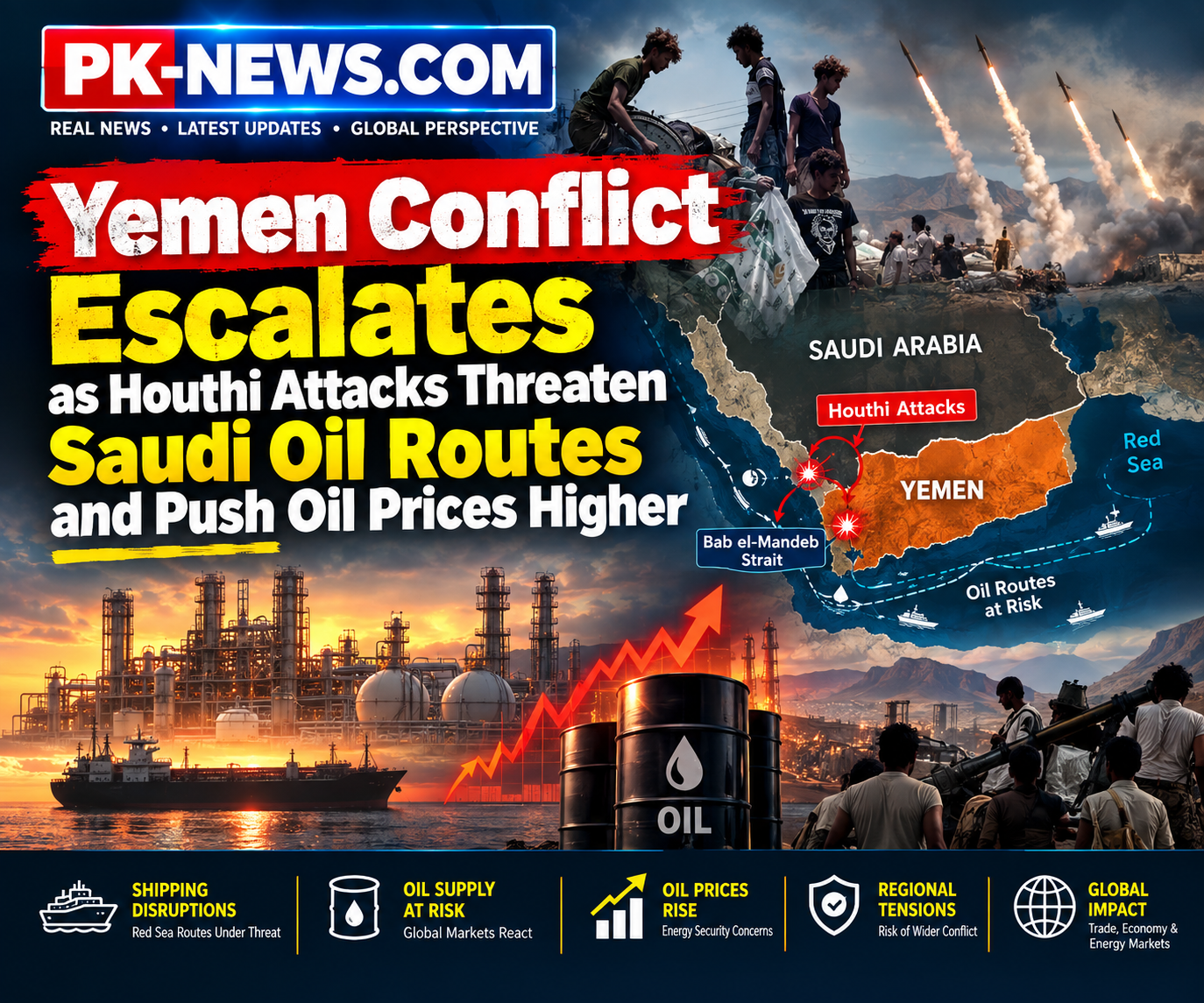
Yemen Conflict Escalates as Houthi Attacks Threaten Saudi Oil Routes and Push Oil Prices Higher
Fighting in Yemen has intensified as Saudi Arabia and Yemeni forces launch air strikes against Iran-backed Houthi positions, while attacks on energy infrastructure and shipping routes are increasing pressure on regional oil supplies.
The renewed violence is also creating a growing humanitarian emergency, with large numbers of civilians displaced inside Yemen and thousands fleeing across the Red Sea toward Djibouti.
At the same time, a separate incident in the Strait of Hormuz has added to concerns about the safety of commercial shipping and the reliability of energy exports from the Gulf.
Saudi and Yemeni Forces Intensify Air Strikes
Saudi Arabia and forces aligned with Yemen's government have increased attacks against Houthi positions following strikes targeting Saudi oil infrastructure.
The Houthis have claimed advances along parts of Yemen's Red Sea coast and have released footage they say shows attacks against Saudi military positions and other targets.
Saudi and Yemeni forces have responded with repeated air strikes against Houthi locations.
The exact scale of the fighting on the ground remains unclear, but the developments have raised concerns that Yemen's conflict could once again expand after a period of relative calm.
Saudi Oil Infrastructure Comes Under Pressure
One of the most significant consequences of the escalation is the threat to Saudi Arabia's oil-export system.
A major East-West oil pipeline carrying crude across Saudi Arabia toward the Red Sea was damaged in a drone attack and taken offline.
The pipeline is strategically important because it provides Saudi Arabia with an alternative to exporting oil through the Strait of Hormuz.
With the Strait of Hormuz facing severe restrictions because of the wider conflict involving Iran, the Red Sea has become increasingly important for maintaining Saudi oil shipments to international markets.
However, attacks by the Houthis and other Iran-linked groups have created additional risks along this alternative route.
Bab el-Mandeb Becomes Another Major Concern
The Bab el-Mandeb Strait is a critical maritime passage connecting the Red Sea with the Gulf of Aden and the wider Indian Ocean.
The Houthi presence and attacks in the area are creating concerns about whether commercial shipping and energy shipments can continue to use the route safely.
If access through both the Strait of Hormuz and Bab el-Mandeb is severely restricted, Saudi Arabia and other energy exporters could face major difficulties moving supplies to international markets.
An alternative route through the Suez Canal remains available, but shipping oil to Asian markets through that route can require significantly longer journeys, including travel around the southern tip of Africa.
Longer routes mean increased fuel consumption, shipping costs and delivery times.
Humanitarian Crisis Grows in Yemen
The renewed fighting is also having a severe impact on civilians.
According to figures cited in the report, more than 100,000 people have been internally displaced by the latest violence.
Thousands of others have crossed the Red Sea from Yemen toward Djibouti in search of safety.
The sudden arrival of refugees has placed significant pressure on local authorities and humanitarian organisations.
Children make up a large proportion of those arriving, with many reportedly exhausted and distressed after escaping the fighting and crossing the sea.
Humanitarian teams have been registering arrivals and providing essential supplies including food and water.
Djibouti Struggles With Refugee Influx
Authorities and humanitarian organisations in Djibouti have warned that the scale of the influx is creating serious logistical challenges.
Thousands of people have reportedly reached the country, while additional arrivals continue.
The situation is particularly difficult in communities located near the main crossing points, where local resources are limited.
If fighting continues and more civilians attempt to leave Yemen, humanitarian agencies could face even greater pressure.
The crisis also demonstrates how quickly regional military escalation can create consequences beyond the immediate battlefield.
Another Vessel Hit in the Strait of Hormuz
The security situation is not limited to the Red Sea.
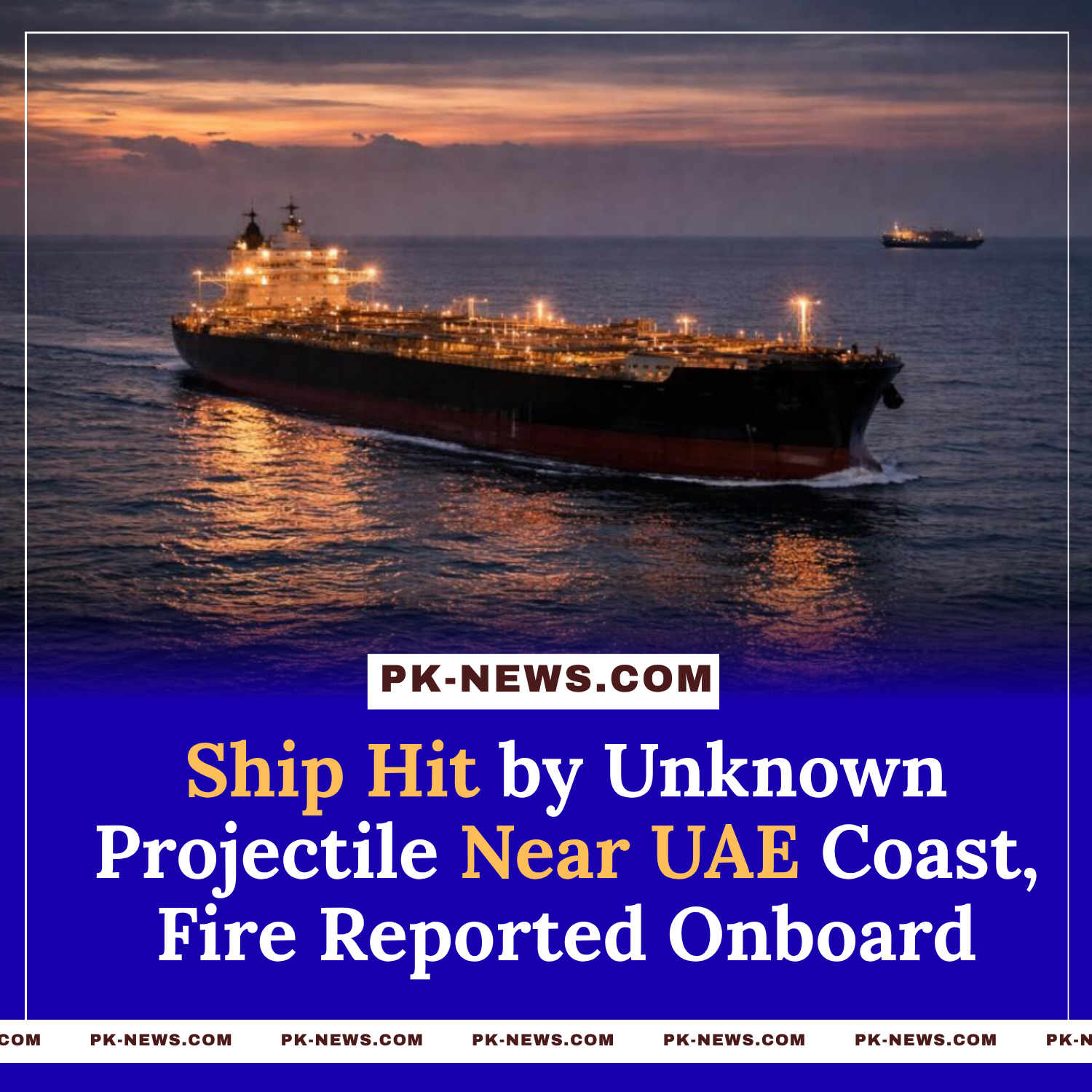
A commercial vessel was reportedly struck by an unidentified projectile while operating in the Strait of Hormuz.
Oman's navy responded by rescuing 23 crew members.
Only a limited number of vessels have reportedly been able to pass through the waterway during the latest period of heightened tension.
The Strait of Hormuz is one of the world's most important energy corridors, making any prolonged disruption potentially significant for global oil markets.
Oil Prices Remain Above $100
The combination of disruptions around the Strait of Hormuz, the Red Sea conflict and damage to Saudi infrastructure has contributed to higher oil prices.
Brent crude has remained above $100 per barrel, while the report cited prices around $109 per barrel during the latest market update.
The key concern for energy markets is not only the amount of oil currently available, but also how quickly producers can move supplies to international buyers.
Restrictions affecting major shipping routes can reduce the effective amount of oil reaching global markets even when oil remains available at its source.
Global Markets Feel the Pressure
Higher energy prices can affect economies well beyond the Middle East.
Oil is a major input for transportation, manufacturing and other parts of the global economy. When energy costs rise, businesses can face higher operating expenses, which can contribute to broader inflationary pressure.
The rise in energy costs is also affecting financial markets.
Higher inflation can influence expectations about interest rates, while investors may adjust their portfolios as they reassess economic risks.
Bond markets can come under pressure when investors expect inflation and interest rates to remain elevated.
The Risk of a Wider Regional Crisis
The latest developments create several interconnected risks.
The fighting in Yemen could expand, attacks could continue against Saudi energy infrastructure, and shipping through both the Red Sea and Gulf waterways could remain vulnerable.
A prolonged disruption would put additional pressure on global energy supplies and could keep oil prices elevated.
For Yemen, however, the most immediate concern remains the civilian population. Continued fighting could reverse years of relative calm and trigger another major displacement crisis.
The combination of military escalation, energy infrastructure attacks, disrupted maritime routes and rising humanitarian needs makes the situation increasingly complex.
As tensions involving Iran, Saudi Arabia and the Houthis continue, developments in Yemen and the region's major shipping corridors will remain closely watched by energy markets, governments and international humanitarian organisations.
Related Articles You May Like
Related News







Comments (0)
Leave a Comment
No comments yet. Be the first to comment!